








By John Wilkerson and Anil Oza
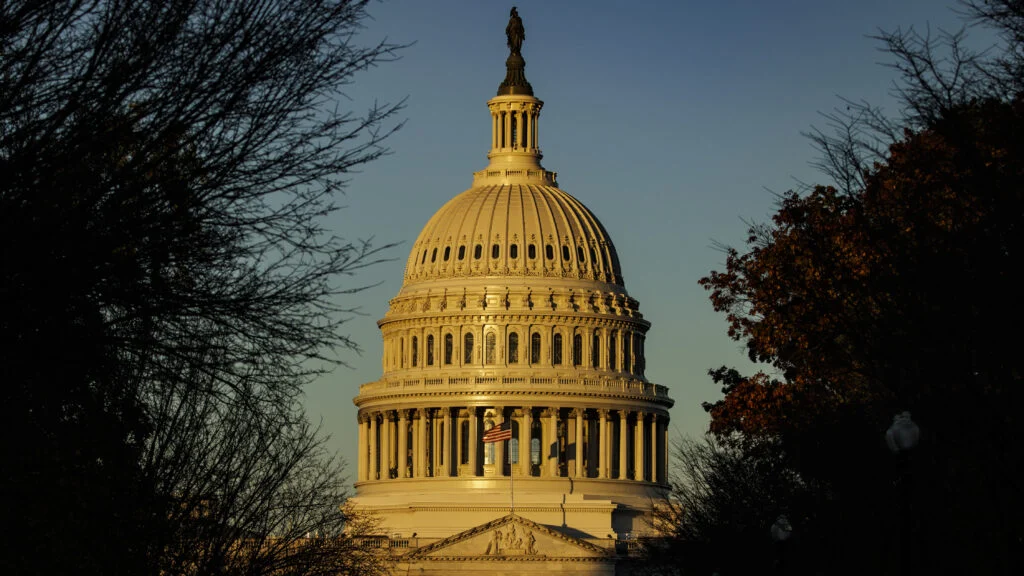
In a decisive move that underscores the ongoing tension between executive authority and scientific independence, the U.S. House of Representatives voted 370 to 48 on Tuesday to pass a stopgap government-funding bill. While the primary purpose of the legislation is to avert a federal shutdown through the midterm election cycle, the bill carries a significant, albeit temporary, policy victory for the scientific community: it blocks a controversial White House proposal that would have granted political appointees unprecedented oversight regarding the distribution of federal research grants.
The Senate had already cleared the measure last month, meaning the bill now heads to the president’s desk for an expected signature. While the legislation provides a critical reprieve for researchers who feared the politicization of science, the victory is short-lived. The funding, and the accompanying policy restrictions, expire on December 11, setting the stage for a much larger battle over the governance of federal science agencies in the coming year.
The Core Conflict: Scientific Autonomy vs. Political Oversight
At the heart of this legislative standoff is a proposed shift in how federal research agencies—most notably the National Institutes of Health (NIH)—manage their multi-billion-dollar grant portfolios. The White House had previously signaled an intent to implement a "uniform guidance" policy that would increase the involvement of political appointees in the grant-review process.
Proponents of the administration’s plan argued that such measures were necessary to ensure that taxpayer-funded research aligns with broader national priorities and to increase accountability within the bureaucratic apparatus of federal science. However, the scientific community, alongside a bipartisan coalition of lawmakers, viewed the proposal as an existential threat to the meritocratic "peer-review" system that has been the bedrock of American scientific excellence for decades.
Critics argued that by inserting political considerations into the grant process, the administration risked stifling innovation, discouraging high-risk, high-reward research, and subjecting life-saving scientific inquiries to the whims of the current political climate. The House’s decisive 370-48 vote suggests that a broad swath of Congress is wary of shifting this balance of power.

Chronology of the Legislative Standoff
The path to this week’s vote was marked by intense lobbying and a series of high-stakes negotiations on Capitol Hill.
- Spring 2026: The administration initially floated the idea of "uniform guidance" for federal grants, citing a need for better alignment between executive mandates and agency expenditures.
- May 2026: The proposal gained traction within the executive branch, drawing immediate alarm from university coalitions, patient advocacy groups, and former NIH leadership.
- June–July 2026: Hearings were held in both chambers, where lawmakers questioned whether political oversight would effectively "screen out" research that did not align with the party in power.
- August 2026: The Senate moved to include an amendment in the pending stopgap funding bill that would explicitly prohibit funds from being used to implement the White House’s proposed changes to grant oversight.
- September 2026: With the clock ticking toward a potential government shutdown, the House took up the Senate-passed bill. The overwhelming bipartisan margin reflected a shared concern over agency capture.
The passage of this bill effectively hits the "pause" button on the administration’s initiative. However, because the bill is only a temporary fix to keep the government open, the fundamental question of whether the executive branch has the authority to exert this level of control remains unresolved in the eyes of the law.
Supporting Data: The Scale of Federal Research Grants
To understand why this issue generated such fervor, one must look at the sheer scale of the federal government’s investment in science. The NIH alone manages a budget exceeding $50 billion annually. This funding is distributed through thousands of competitive grants, most of which are awarded based on a rigorous, multi-stage peer-review process conducted by subject-matter experts.
The following data points illustrate the current landscape:
- Peer Review Integrity: Historically, over 95% of NIH grants are awarded based on scores provided by independent scientific review groups.
- Administrative Load: The proposed "uniform guidance" would have added layers of bureaucratic review, potentially delaying the start of critical trials by months.
- Congressional Sentiment: The 370-48 House vote represents an 88% approval rating for the amendment, suggesting that even members of the president’s own party were hesitant to support the administration’s move toward centralized control.
Industry analysts note that if the policy were to be implemented, the uncertainty alone could lead to a "brain drain," where top researchers might shift their focus toward private sector or international funding to avoid the perceived instability of the federal grant pipeline.
Official Responses and Stakeholder Positions
The administration has maintained a relatively low profile regarding the specific defeat of this provision, emphasizing instead the importance of passing the stopgap bill to ensure the continuity of government operations. In a brief statement following the House vote, a White House spokesperson noted, "The administration remains committed to ensuring that taxpayer dollars are spent efficiently and in accordance with the priorities of the American people."

On the other side of the aisle, the reception was jubilant. Representative coalitions that championed the blocking amendment issued a joint statement:
"Scientific research must be guided by facts, evidence, and the expertise of the scientific community—not by the political agenda of whoever holds the keys to the White House. Today’s vote is a clear signal that the legislative branch will protect the integrity of our nation’s research institutions."
University advocacy groups, including the Association of American Universities, expressed relief. "This is a win for science," said one representative for a major research institution. "The peer-review system is imperfect, but it is the most effective engine for innovation we have. Protecting it from partisan interference is essential for the future of American health and technology."
Implications: A Looming December Deadline
While the scientific community can breathe a sigh of relief for the next few months, the legislative landscape remains precarious. The December 11 expiration date is not merely a deadline for funding; it is a "hard stop" for the current protection against the grant-oversight policy.
1. The Lame Duck Risk
If the administration remains committed to its proposal, the post-election "lame duck" session of Congress could become a flashpoint. Proponents of the policy may attempt to attach the oversight measures to a larger, omnibus spending package that would be harder for opponents to block.
2. Legal Challenges
Legal scholars suggest that even if Congress fails to pass a permanent ban, there may be litigation paths available to research institutions. The argument would likely center on the administrative procedures used to push the change, potentially challenging the legality of the executive branch circumventing standard regulatory review processes.

3. Long-term Erosion of Trust
Perhaps the most significant implication is the long-term impact on the relationship between federal agencies and the scientific community. The attempt to centralize control has fostered a climate of suspicion. Even if the proposal is permanently defeated, rebuilding the trust between the White House and the scientific establishment will likely take years.
4. Impact on Public Health Preparedness
With ongoing concerns about future pandemic preparedness and the rapid pace of biotechnological advancement, the stability of the NIH and other research bodies is more critical than ever. Investors and researchers alike are watching the situation closely, as any sudden change in funding priorities could have ripple effects throughout the biotech and pharmaceutical sectors.
Conclusion
The vote on Tuesday was a vital victory for those who prioritize the independence of scientific inquiry. By inserting a safeguard into the must-pass funding bill, the House has successfully prevented an immediate disruption to the research ecosystem. However, the reprieve is temporary.
As the December 11 deadline approaches, the scientific community must prepare for a more sustained engagement with policymakers. The debate over who should "steer" the ship of American science—bureaucrats or experts—is far from over, and the outcome of that debate will define the nation’s scientific trajectory for years to come. For now, the NIH and its grantees can proceed with their work, but the shadow of political intervention remains a persistent variable in an increasingly complex political landscape.