








In the rapidly evolving landscape of sleep medicine, the quest for more efficient, accessible, and patient-centric diagnostic workflows has never been more urgent. As the global prevalence of Obstructive Sleep Apnea (OSA) continues to climb, clinicians are increasingly turning to noninvasive, high-utility diagnostic tools to bridge the gap between initial patient screening and definitive treatment. Among these, overnight pulse oximetry has emerged as a cornerstone of modern practice, offering a sophisticated window into nocturnal physiological patterns.
A new, comprehensive industry report, titled "Overnight Pulse Oximetry: Multidisciplinary Value for Clinical Practice," underscores how this modality is being transformed from a basic screening tool into a versatile asset for triage, therapy monitoring, and remote clinical management.
Main Facts: The Clinical Utility of Pulse Oximetry
At its core, overnight pulse oximetry provides a continuous, noninvasive record of a patient’s peripheral capillary oxygen saturation (SpO2) and pulse rate throughout the nocturnal period. Unlike full-night polysomnography (PSG), which requires extensive monitoring of brain activity (EEG) and respiratory effort, pulse oximetry focuses on the physiological consequences of sleep-disordered breathing.
The primary clinical value lies in its ability to capture oxygen desaturation events—the hallmark of OSA. By observing these patterns, clinicians can gather objective, actionable data that supports several critical functions:
- Prescreening for OSA: Identifying patients at high risk who require formal diagnostic testing.
- Therapy Follow-up: Assessing whether existing treatments, such as Continuous Positive Airway Pressure (CPAP) or oral appliances, are effectively preventing nocturnal desaturation.
- Triage Optimization: Determining the urgency of a patient’s need for comprehensive diagnostic services.
- Remote Monitoring: Facilitating the seamless tracking of patients outside the traditional clinical setting.
Chronology: From Bedside Monitoring to Cloud-Based Integration
The journey of pulse oximetry within sleep medicine is a history of technological miniaturization and digital connectivity.
- The Early Era: Historically, pulse oximetry was tethered to hospital settings. Data retrieval was manual, often requiring clinicians to physically download data from bulky units, leading to significant delays in clinical decision-making.
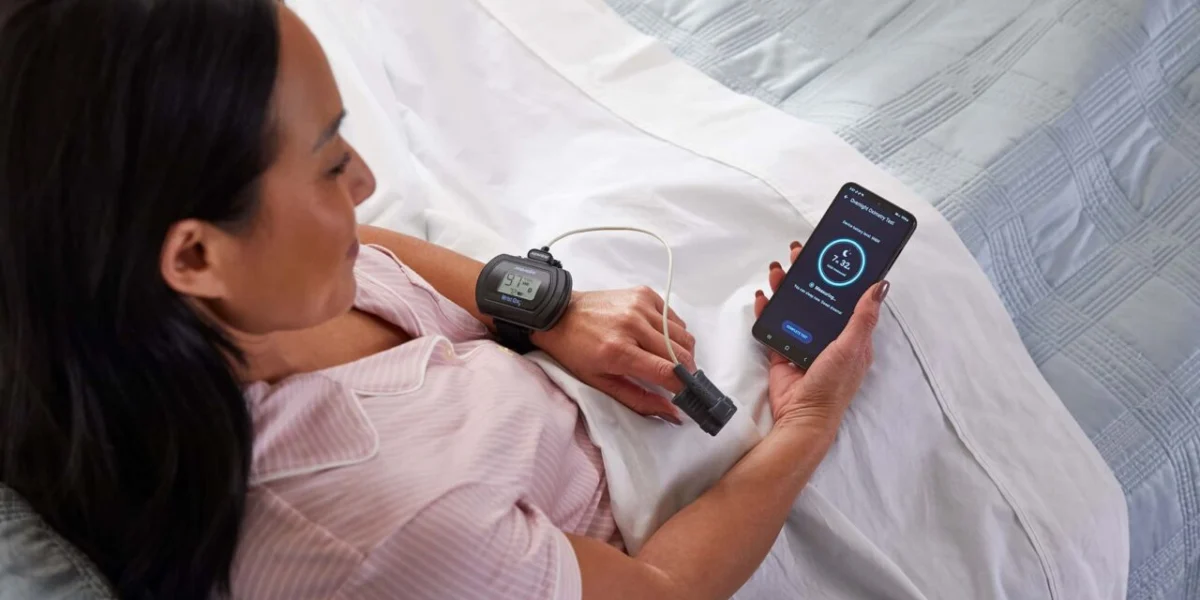
- The Transition: The introduction of wrist-worn devices, such as the Nonin WristOx2 Model 3150BLE, marked a pivotal shift. These devices offered patients greater comfort and freedom of movement, significantly increasing adherence to home-based testing protocols.
- The Digital Revolution: The most recent chapter in this chronology involves the integration of cloud-based platforms. By pairing portable sensors with mobile technology, practices have moved away from manual device handling and paper-heavy workflows. Today, data is encrypted, transmitted via mobile apps, and visualized on secure web-based portals, allowing for near-real-time assessment of patient status.
Supporting Data: Why Objective Information Matters
The diagnostic power of pulse oximetry is rooted in its ability to provide objective evidence of sleep-related hypoxemia. In a typical clinical scenario, a patient may report excessive daytime sleepiness, but the subjective nature of these reports can make it difficult to determine the severity of their underlying condition.
The Triage Framework
Sleep specialists use oxygen saturation trends to map out the next steps in a patient’s care pathway. If an overnight oximetry report reveals frequent, severe desaturations, the clinician may prioritize this patient for a formal, in-lab polysomnography study. Conversely, milder patterns might allow for a home sleep apnea test (HSAT), which is often more cost-effective and convenient for the patient.
Managing Therapy Adherence
One of the most significant hurdles in sleep medicine is therapy adherence. Many patients struggle with the initial adjustment to oral appliances or CPAP therapy. By using pulse oximetry as a monitoring tool, clinicians can objectively verify if a patient’s oxygen levels remain stable while using their device. If desaturation events persist, it provides an immediate trigger for a clinical intervention, such as adjusting the appliance or recalibrating pressure settings.
Official Responses and Regulatory Guidance
Despite the growing utility of pulse oximetry, the medical community remains cautious about its limitations. The American Academy of Sleep Medicine (AASM) has provided clear guidance regarding the scope of these tools.
In their diagnostic testing guidelines, the AASM emphasizes a critical distinction: Clinicians should not use limited screening information as a substitute for appropriate, comprehensive diagnostic sleep testing. While pulse oximetry is an invaluable "adjunct" or "screening" tool, it does not provide the same depth of information as a formal PSG, which can distinguish between obstructive, central, and mixed apnea, nor does it provide an AHI (Apnea-Hypopnea Index) derived from respiratory effort and airflow sensors.
The AASM’s stance serves as a necessary guardrail, ensuring that the convenience of modern technology does not compromise the accuracy of clinical diagnosis. Practitioners are urged to use these tools to augment, rather than replace, established diagnostic pathways.
Improving Workflows: The Role of Digital Infrastructure
The administrative burden on sleep clinics is a major factor in patient outcomes. Traditional manual workflows—which involve shipping devices, processing paperwork, and waiting for manual data interpretation—often result in "diagnostic bottlenecks."
Modern platforms, such as the Nonin Health platform, represent the future of these workflows. By digitizing the entire process, sleep practices can:
- Reduce Device Handling: Automated, secure data transmission means staff no longer need to physically download and clean equipment as frequently.
- Expedite Results: Results become available for clinician review as soon as the patient finishes their sleep session, reducing the turnaround time from weeks to hours.
- Enhance Patient Engagement: Patients feel more connected to their care team when they can securely participate in their own data transmission, leading to higher rates of satisfaction and adherence.
Implications: The Future of Sleep Medicine
The implications of integrating advanced pulse oximetry into clinical practice are profound. As the patient population continues to age and the demand for chronic disease management grows, the ability to monitor patients remotely is no longer a luxury—it is a necessity.
The Shift Toward Precision Medicine
The future of sleep medicine lies in "precision management." Rather than applying a "one-size-fits-all" diagnostic approach, clinicians are moving toward personalized monitoring schedules. A patient with mild OSA may be monitored quarterly via pulse oximetry, while a patient with significant comorbidities might require more frequent, high-fidelity data.
Bridging the Access Gap
By reducing the reliance on in-lab testing for routine follow-ups, sleep clinics can redirect their resources toward the most complex and symptomatic patients. This optimization of clinic resources is vital in a healthcare environment defined by increasing demand and finite capacity.
The Role of Technology in Compliance
Finally, the "human factor" cannot be ignored. Technology that is easier to use, less invasive, and provides faster feedback empowers the patient. When a patient sees the objective proof that their therapy is working—as evidenced by stable SpO2 levels on a report—they are significantly more likely to maintain their treatment regimen.
Conclusion: A Balanced Approach
Overnight pulse oximetry is a testament to how targeted technology can revolutionize a medical field. It offers a bridge between the initial awareness of sleep-disordered breathing and the long-term, comprehensive care required to manage it.
However, as highlighted in the report "Overnight Pulse Oximetry: Multidisciplinary Value for Clinical Practice," the key to success is balance. The tool is most effective when it is utilized within a framework that respects clinical diagnostic standards while leveraging the speed and efficiency of digital health.
For clinicians, the call to action is clear: adopt the technologies that reduce administrative burdens and increase diagnostic visibility, but remain steadfast in adhering to the foundational principles of sleep medicine. By doing so, they can ensure that patients receive the right care, at the right time, with the highest degree of diagnostic confidence.
Download the featured report:
To gain a deeper understanding of the evolving role of oximetry, including its limitations and the specific protocols for integrating it into your practice, we encourage healthcare professionals to download the full PDF. It serves as a comprehensive resource for those looking to modernize their sleep and respiratory workflows and provide better, data-driven outcomes for their patients.