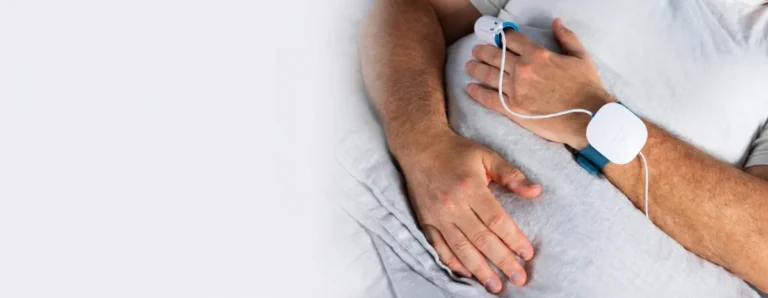






In the modern era, sleep is frequently treated as a luxury—a flexible commodity we sacrifice at the altar of productivity, social connection, or digital entertainment. However, clinical science has long established that sleep is not merely a period of inactivity; it is a fundamental pillar of human physiology. It serves as the bedrock for cognitive function, emotional regulation, and systemic bodily health. Yet, a startling disconnect persists: while we prioritize our diets and fitness regimes, we remain largely silent about the quality of our rest.
According to recent data, nearly 45% of adults report having never discussed their sleep health with a healthcare professional. This communication gap is not just a missed opportunity for medical advice; it is a significant public health risk that leaves millions of people vulnerable to chronic conditions that could be prevented or managed through early intervention.
The Main Facts: The Price of Silence
The statistics regarding our collective failure to address sleep are sobering. Research from the American Academy of Sleep Medicine (AASM) indicates that women are particularly hesitant to raise the issue, with 49% never discussing sleep with a doctor, compared to 40% of men. This gender disparity is critical because it suggests that women may be missing out on vital referrals to sleep specialists for conditions like insomnia or sleep apnea, which often present differently across genders.
The consequences of this silence are profound. Insufficient sleep is definitively linked to a higher risk of heart disease, depression, metabolic disorders—including Type 2 diabetes—and accelerated cognitive decline. Furthermore, the societal impact of untreated sleep disorders extends beyond the individual. Chronic daytime sleepiness is a leading contributor to preventable workplace errors and catastrophic motor vehicle accidents. When we fail to prioritize sleep in our medical consultations, we are essentially ignoring a primary symptom that could provide a roadmap to better long-term health.
Chronology of a Crisis: From Vital Sign to Overlooked Metric
The history of sleep medicine has shifted dramatically over the last few decades. Historically, sleep was viewed by the medical community as a "passive" state. However, the 1980s and 90s saw a surge in research proving that sleep is a highly active biological process. Despite this, the integration of sleep into primary care has remained sluggish.
- The Recognition Phase: As the 21st century dawned, the medical community began categorizing "sleep disorders" as distinct clinical entities rather than mere symptoms of other ailments.
- The Standardization Era: The AASM established the standard that adults require seven or more hours of quality sleep per night for optimal health.
- The Data Realization: Over the last decade, public health surveys—such as those conducted by the Centers for Disease Control and Prevention (CDC) and the AASM—have consistently highlighted that nearly one-third of American adults are chronically sleep-deprived.
- The Current Impasse: We have arrived at a point where the diagnostic tools for sleep apnea and insomnia are highly effective, yet the primary barrier to treatment is no longer technology or cost—it is the initial conversation between patient and physician.
Supporting Data: Understanding "Healthy Sleep"
To bridge this gap, one must first understand the criteria for healthy sleep. It is not just about the number of hours spent in bed; it is defined by four pillars:
- Duration: Consistently achieving seven or more hours.
- Quality: Experiencing deep, restorative stages of sleep without frequent interruptions.
- Timing: Aligning sleep with the body’s circadian rhythm.
- Regularity: Maintaining a consistent sleep-wake schedule, even on weekends.
The data shows that when these pillars crumble, the body suffers. For instance, irregular sleep patterns have been linked to increased inflammation and weakened immune response. Conversely, when patients are treated for sleep disorders—such as using CPAP (Continuous Positive Airway Pressure) therapy for sleep apnea—they often report significant improvements in blood pressure control, mental clarity, and mood stability within weeks.
Official Responses and Clinical Perspectives
Medical experts argue that sleep should be treated as a "vital sign," much like blood pressure or heart rate. If a patient presented with high blood pressure, a doctor would never fail to ask about their lifestyle. Yet, sleep—which regulates blood pressure—is frequently omitted.
"We need to move beyond the idea that feeling tired is just ‘part of being an adult,’" says a representative from the sleep research community. "When a patient says they are tired, they are providing a clue. It is the doctor’s job to follow that clue, but it is the patient’s responsibility to bring it to the table."
The AASM and other health organizations are pushing for standardized sleep screening tools to be integrated into annual physicals. They argue that by asking just two or three simple questions during a standard check-up, clinicians could identify thousands of at-risk patients who are currently flying under the radar.
Implications: How to Start the Conversation
If you are among the millions who feel your sleep is not restorative, you do not need to wait for your doctor to bring it up. Medical professionals emphasize that you do not need to use complex medical jargon to initiate a productive dialogue.
Preparing for Your Visit
To make the most of your next appointment, consider the following strategies:
- Keep a Sleep Diary: For two weeks, track your bedtime, wake time, and how you feel during the day. This provides objective data that a doctor can analyze.
- Use Validated Tools: Utilize resources like the "Sleep Quiz" provided by Sleep Is Good Medicine to gain a clearer understanding of your risks.
- Be Direct: A simple, honest statement like, "I wake up feeling exhausted every single morning, and it’s affecting my work," is often the most effective way to start the conversation.
- Ask for a Referral: If your primary care physician is unsure how to proceed, do not hesitate to ask for a referral to an AASM-accredited sleep center.
The Spectrum of Intervention
It is a common misconception that speaking to a doctor about sleep will automatically result in a prescription for sleep medication. In reality, the path to better sleep is often non-pharmacological. For many, simple lifestyle changes—such as limiting caffeine consumption, curating a "sleep sanctuary" (a dark, cool, quiet room), and strictly limiting daytime naps—can resolve minor issues.
However, for those suffering from chronic insomnia or sleep apnea, specialized treatment is essential. Sleep apnea, for example, is notoriously underdiagnosed, yet it is a leading cause of heart disease. Ignoring it can have fatal consequences. Conversely, treated sleep apnea can be life-changing, preventing cardiovascular events and dramatically improving the patient’s daily quality of life.
Conclusion: A Call to Action
The path to better health is paved with better sleep. We have reached a point where the medical science is clear, the diagnostic tools are available, and the risks of inaction are well-documented. The only remaining barrier is the psychological wall that keeps us from talking about our fatigue, our restlessness, and our nightly habits.
Sleep is not a luxury; it is the foundation upon which your mental, physical, and emotional health is built. If your sleep doesn’t feel right, listen to your body. It is sending you a signal that should not be ignored. Your next medical appointment is an opportunity to reclaim your vitality. Don’t let that opportunity go to waste—start the conversation today.
For more resources on how to discuss your sleep health with a professional, visit Talk to Your Doctor About Sleep.