









Ayurveda, the ancient Indian system of holistic healing, has long recognized the profound therapeutic potential of intentional touch. For thousands of years, practitioners have employed diverse forms of massage as both a palliative (Shamana) and a purificatory (Shodhana) therapy. Far from being merely a luxury spa treatment, Ayurvedic massage is a sophisticated medical modality designed to harmonize the body and mind, guiding the individual back to a state of optimal health and blissful equilibrium.
The Foundations of Ayurvedic Bodywork
The methodologies surrounding Ayurvedic massage are deeply rooted in the brhat trayi—the "Great Three" texts of Ayurveda, which include the works of Caraka, Sushruta, and Vagbhata. These foundational scriptures, supplemented by texts such as the Bhavaprakasha and Yogaratnakara, detail how manual therapies were once utilized for a vast array of purposes. In ancient society, massage supported the physical readiness of warriors and athletes, served as a tool for virilization, and provided essential care in postpartum recovery and preventative health maintenance.
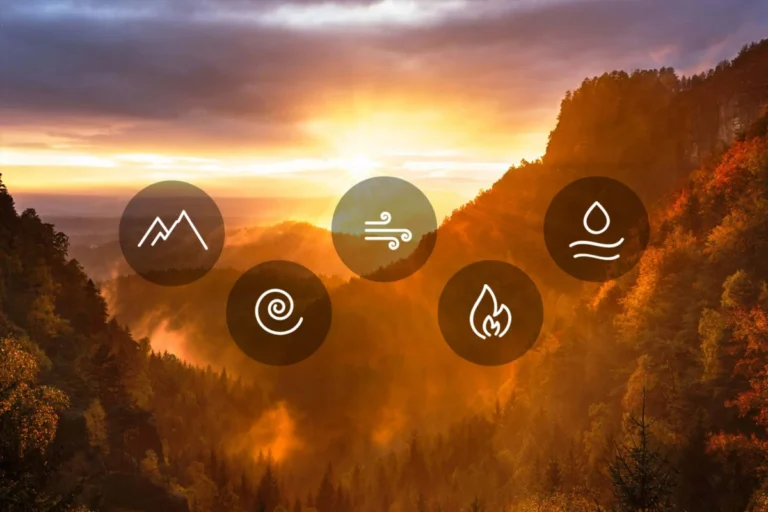
At its core, Ayurveda posits that all matter is composed of five great elements: space, air, fire, water, and earth. These elements manifest within the human body as three primary energetic forces known as the doshas:
- Vata: Composed of space and air, governing movement and the nervous system.
- Pitta: Composed of fire and water, governing metabolism and transformation.
- Kapha: Composed of water and earth, governing structure and lubrication.
Effective Ayurvedic treatment is predicated on the "like-increases-like" principle. When a dosha becomes vitiated or imbalanced, the practitioner selects massage techniques, oils, and herbs with the opposite qualities to restore homeostasis.
Individualized Care: The Science of Tailored Therapy
A hallmark of Ayurvedic massage is its deeply individualized nature. Unlike standardized western massage protocols, every aspect of an Ayurvedic session is customized based on the recipient’s unique constitution (Prakruti) and their current state of imbalance (Vikruti).
Assessing the Internal Environment
Practitioners carefully evaluate the client’s digestive fire (Agni) and the accumulation of metabolic toxins (Ama). The presence of Ama is a critical diagnostic factor; because oils share heavy, sticky, and unctuous qualities with these toxins, oil-based massage is often contraindicated when Ama is high. In such instances, practitioners may employ Udvartana—a dry, invigorating massage using herbal powders—to break down deposits and stimulate circulation.
The Role of Herbalized Oils
The selection of oil is a precise clinical decision. The base (carrier) oil, combined with specific herb infusions, is designed to target specific doshic disturbances:
- Vata: Heavy, warming oils like sesame are preferred to ground the "airy" nature of Vata.
- Pitta: Cooling, soothing oils like coconut or sunflower help extinguish the internal "fire."
- Kapha: Lighter, heating oils like mustard help counteract stagnation and coldness.
Furthermore, the quantity of oil used varies by dosha: Vata types benefit from large volumes of oil to saturate the tissues, while Kapha types receive minimal amounts to avoid further heaviness.
Special Considerations: Vata, the Mind, and the Skin
In Samkhya philosophy, the air element is intrinsically linked to Sparshendriya, or the sense of touch. Because Vata dosha is primarily composed of air and space, it is uniquely susceptible to the soothing influence of manual therapy.
Beyond physical relief, Ayurvedic massage is a potent tool for mental health. Since the mind is associated with the subtlest aspects of space and air, healing touch serves as a grounding mechanism for the psyche. Moreover, the skin (Tvak)—the body’s largest organ—is governed by bhrajaka pitta, which regulates complexion and luster. By applying herbalized oils, practitioners are effectively "feeding" the skin. Regular application allows these nutrients to penetrate deeper into the musculature, nerves, bones, and organs, enhancing systemic resilience.
Categorization of Massage Techniques
Ayurvedic massage is a broad field encompassing various distinct practices:
Abhyanga: The Practice of Oleation
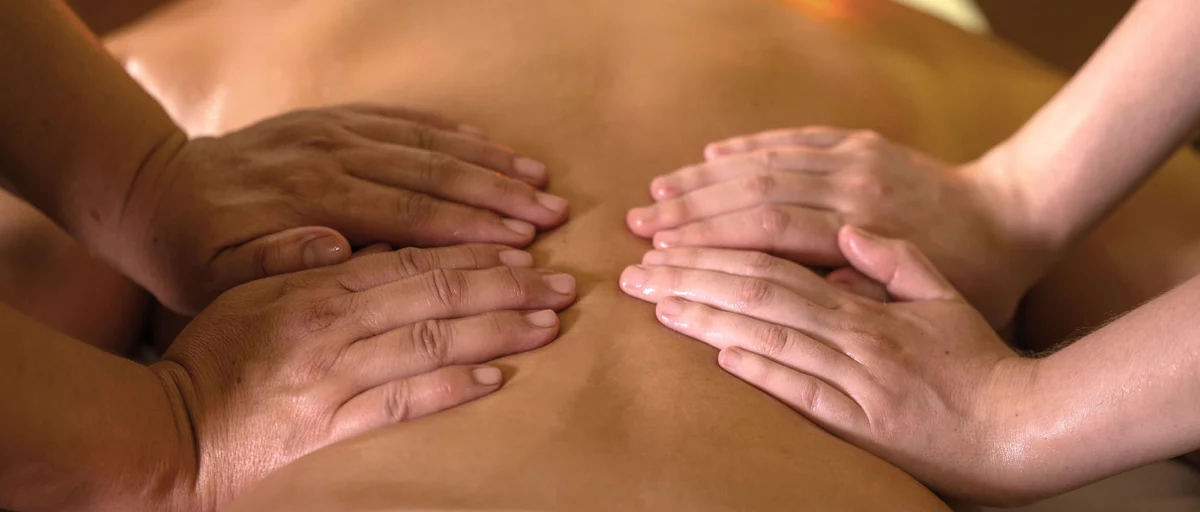
Abhyanga is perhaps the most recognized Ayurvedic technique. Whether performed as self-massage or administered by one or two practitioners in a synchronous, four-handed format, the goal is the application of herbalized oils. Snehan, the Sanskrit word for oil, is linguistically rooted in the word for "love." Thus, the practice is considered a physical manifestation of compassion, harmonizing the body’s cells with a vibration of radiance. Specialized formulations, such as Mahanarayan tailam for pain or Dhanvantaram tailam for Vata pacification, are essential tools in the practitioner’s kit.
Udvartana and Localized Techniques
When the goal is detoxification or beautification, Udvartana (massage with dry or hot herbal powders) is utilized. Variations include Udsadana (for skin refinement) and Udgarshana (massage with herbal pastes). Furthermore, treatments are categorized by location, such as Kesha mardana (head massage) or Deha samvahana (full-body massage).
Advanced Mechanics: Strokes, Directionality, and Marma
The efficacy of the massage is dictated by the direction and type of strokes:
- Anuloma/Pratiloma: Moving away from the heart (Anuloma) generally calms the mind and grounds Vata, while moving toward the heart (Pratiloma) can stimulate lymph flow and address varicosity.
- Stroke Variations: Practitioners utilize a range of movements including Peedana (kneading), Udvesthana (wringing), Praharana (percussion), and Sandhi Calana (joint mobilization) to address specific tissue needs.
The Integration of Marma Therapy
One of the most specialized aspects of Ayurvedic bodywork is Marma therapy. Marmani are vital energy points on the body that serve as gateways to the energetic channels (nadis), organs, and glands. By stimulating these points, practitioners can clear blockages and restore the flow of prana (life force). While often compared to acupuncture, Marma therapy is distinct in its methodology, often involving larger, more diffuse points of contact that directly impact the physical, mental, and emotional layers of the human experience.
Implications for Modern Holistic Health
The rise of integrative medicine has brought renewed attention to these ancient practices. Clinical implications of consistent Ayurvedic massage include improved lymphatic drainage, enhanced skin integrity, reduced cortisol levels, and better nervous system regulation. By treating the body as an energetic entity rather than a mechanical structure, Ayurvedic practitioners provide a comprehensive framework for preventative health.
As the global community continues to search for non-pharmaceutical approaches to chronic stress and systemic imbalance, the "healing touch" of Ayurveda offers a scientifically robust and deeply compassionate alternative. Whether through the daily ritual of self-Abhyanga or the intensive, multi-modal applications of a clinical session, the lessons laid out in the brhat trayi remain as relevant today as they were thousands of years ago.
For those seeking to master these subtle therapies, professional training programs—such as those offered at The Ayurvedic Institute—provide a pathway to understanding the delicate balance of marmani, pranayama, and meditation. By honoring the lineage of these practices, modern practitioners can continue to "awaken the body’s inner pharmacy," ensuring that the wisdom of the ancients remains a vital resource for generations to come.