








In the complex machinery of the human body, few components are as foundational as amino acids. Often described as the "building blocks of life," these molecules assemble into the proteins that dictate every biological function from muscle contraction to neural signaling. Among them, arginine holds a position of particular importance—not just for its structural role, but as a critical mediator of the body’s immune defenses.
New research from The Rockefeller University, published in the journal Cell, has uncovered a startling link between arginine levels and the immune system’s ability to detect threats. The study suggests that when arginine levels drop—whether due to aging, poor diet, or disease—the immune system essentially goes "blind" to cancer cells and viral invaders. This discovery opens the door to a new, low-cost therapeutic frontier: using simple dietary supplementation to "tune" the immune system and enhance the efficacy of modern cancer treatments.
The Foundation: Why Arginine Matters
Arginine is a semi-essential amino acid, meaning the body produces it naturally, though it must also be supplemented through protein-rich foods like meat, poultry, dairy, and nuts. Its biological versatility is underscored by its genetic architecture: while many amino acids are encoded by only one or two codons—the three-letter DNA sequences that instruct cellular machinery—arginine is encoded by six different codons. This evolutionary redundancy suggests that arginine is too vital to be left to chance.
For years, scientists have understood that arginine supports protein synthesis and cellular metabolism. However, the work of Sohail Tavazoie, head of the Elizabeth and Vincent Meyer Laboratory of Systems Cancer Biology at Rockefeller, has shifted the conversation toward a more profound mechanism: gene expression. Tavazoie’s team has spent years investigating why low arginine levels are consistently associated with disease states, particularly colon cancer. Their findings suggest that this amino acid acts as a "molecular switch," controlling whether our cells can effectively signal their status to the immune system.
A Chronology of Discovery
The path to this breakthrough began with a 2023 study by Tavazoie’s lab, which identified that when colon cancer cells are starved of arginine, they begin to accumulate mutations at a faster rate. This suggested that arginine was not merely a passive nutrient but an active regulator of genomic stability.
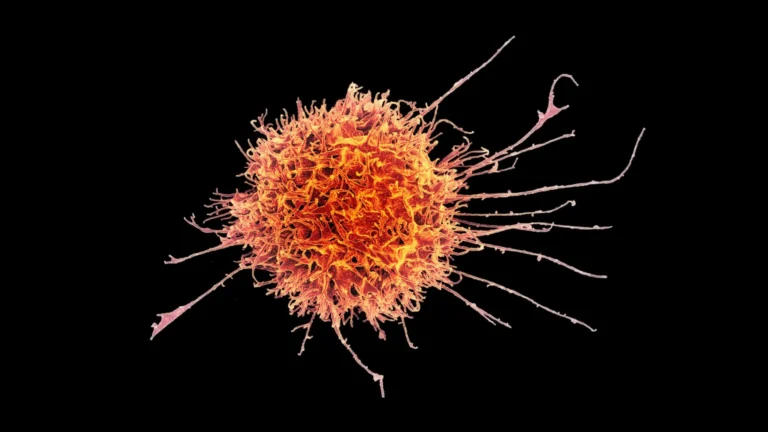
Building on this, lead author and postdoctoral fellow Qiushuang Wu sought to understand the systemic consequences of arginine depletion. Using cell cultures and disease models, Wu mapped the ripple effects of low arginine. The team discovered that when arginine is scarce, cells struggle to produce a critical class of proteins known as MHC-1 (major histocompatibility complex class I).
MHC-1 proteins act as the body’s "wanted posters." They are displayed on the surface of virtually every cell, presenting fragments of proteins from within that cell to passing T cells. If a cell is infected by a virus or has become cancerous, MHC-1 displays those foreign or mutated "signatures," alerting the immune system to destroy the threat.
The researchers found that in an arginine-depleted state, the cellular machinery responsible for assembling these "wanted posters"—the ribosomes—literally stalls. Because MHC-1 proteins are particularly rich in arginine, the lack of this specific building block creates a bottleneck. The protein cannot be completed, the "wanted posters" never reach the cell surface, and the cancer or virus effectively goes undercover, hidden from the immune system’s surveillance.
Supporting Data: From Cellular Stalls to Mice Models
The research team’s methodology was rigorous, spanning molecular biology and animal models. By analyzing several disease states—including colon cancer, influenza, and SARS-CoV-2—the researchers identified a recurring theme: arginine was the most significantly depleted amino acid across all these conditions.
In the laboratory, Wu identified 414 proteins that were expressed at abnormally low levels during arginine scarcity. The most critical, however, were the three HLA genes responsible for MHC-1 production. The team confirmed this by depriving cells of arginine and observing the ribosomes stalling mid-production, unable to finish the protein chain.
The clinical relevance was further validated in mice models. When mice were fed an arginine-deficient diet, they developed more colon tumors and suffered more severe outcomes from viral infections. Conversely, mice that received supplemental arginine—a dosage roughly equivalent to a few over-the-counter tablets—showed significant improvements:
- Reduced Tumor Growth: Mice on an arginine-rich diet exhibited a lower incidence of colon tumors.
- Viral Resilience: Mice infected with influenza or SARS-CoV-2 fared better when supplemented with arginine.
- Post-Infection Recovery: Perhaps most surprisingly, administering arginine after a viral infection had already set in still led to better clinical outcomes, suggesting the intervention is not merely preventative but potentially therapeutic.
Official Responses and Expert Insight
The researchers behind the study are optimistic about the implications, noting that the simplicity of the intervention is its greatest strength.
"Our work reveals how a lack of arginine interferes with the immune system and suggests that upping arginine intake could prove beneficial," says Qiushuang Wu. "Perhaps that means it could be used in combination with other therapies to treat both cancer and viral infections."
Tavazoie echoes this sentiment, emphasizing the accessibility of the findings. "Arginine supplementation could be readily tested in patients receiving immunotherapies or given to high-risk populations exposed to viral pathogens," he explains. "Considering that arginine is inexpensive and readily available, we hope that therapeutic and preventative studies could be undertaken soon."
The team’s research was supported by the Stavros Niarchos Foundation (SNF) Institute for Global Infectious Disease Research at The Rockefeller University and the Weill Cancer East Hub, reflecting a growing consensus that nutritional science and immunology must be studied in tandem.
The Broader Implications: Aging and Global Health
The study offers a compelling new lens through which to view two of the greatest challenges in medicine: aging and chronic disease. As humans age, the body’s natural ability to maintain optimal arginine levels declines. This biological drift may explain why older populations are significantly more vulnerable to both the onset of cancer and the lethality of respiratory viruses.
Tavazoie describes this as the "perfect storm." As arginine levels naturally wane with age, the immune system’s ability to recognize and clear abnormal cells is progressively compromised. This isn’t just about a "weak" immune system; it is about a specific, nutrient-dependent failure in the signaling mechanism that tells the immune system what to target.
The potential for "translational tuning"—the idea that we can regulate gene expression and immune function through dietary manipulation—is profound. If clinicians can restore MHC-1 expression simply by ensuring patients have adequate levels of a specific, safe, and inexpensive amino acid, the cost-benefit profile of such a treatment would be unparalleled in modern medicine.
Future Directions
While the results in mouse models and cell cultures are promising, the research team is careful to note that human clinical trials are the necessary next step. The study opens up a vast new field of inquiry: if arginine can restore immune surveillance, do other amino acids function in similarly specific ways for other proteins?
"We believe that such selective translational tuning of gene expression through dietary manipulation likely extends to many other proteins and amino acids," Tavazoie says. The lab is currently investigating whether other nutritional adjustments might yield similar benefits in different disease contexts.
As the medical community looks for ways to improve the efficacy of current immunotherapies—which, while groundbreaking, often fail because cancers find ways to hide from the immune system—this "low-tech" solution could be the missing link. By ensuring the immune system has the "building blocks" it needs to see the enemy, we may be able to turn the tide in the fight against cancer and viral disease, one molecule at a time.