In an era defined by supply chain fragility, inflationary pressures, and a growing distrust of centralized food systems, a quiet revolution is taking root in backyards and rural plots across the globe. Permaculture—often dismissed by critics as a trendy gardening hobby—is being rebranded by experts and practitioners alike as a sophisticated, high-stakes survival strategy. It is no longer just about organic vegetables; it is about building a biological infrastructure capable of bypassing the systems of control that currently dictate the health and survival of the modern citizen.
Main Facts: The Architecture of Resilience
At its core, permaculture is the design of ecosystems that are self-sustaining, regenerative, and productive. As discussed in recent expert discourse, particularly in conversations with practitioners like Billy Bond, the movement represents a total departure from the industrial agricultural model.
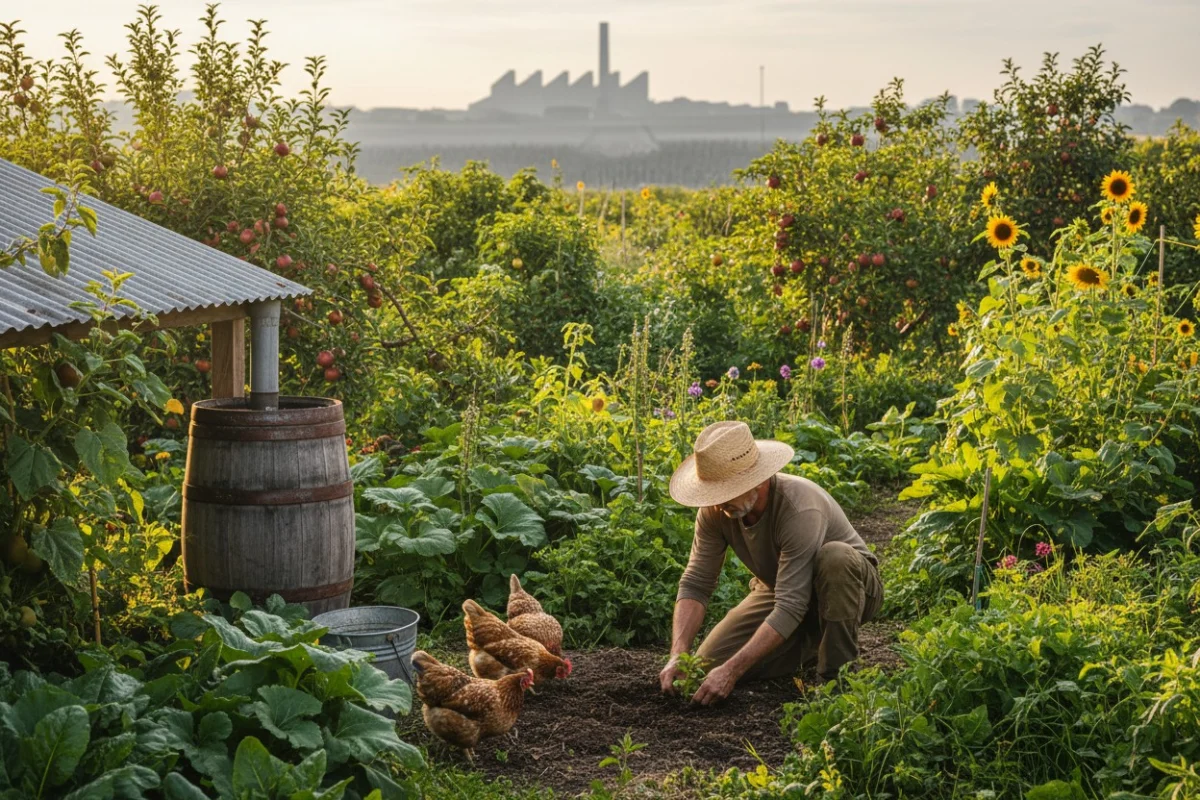
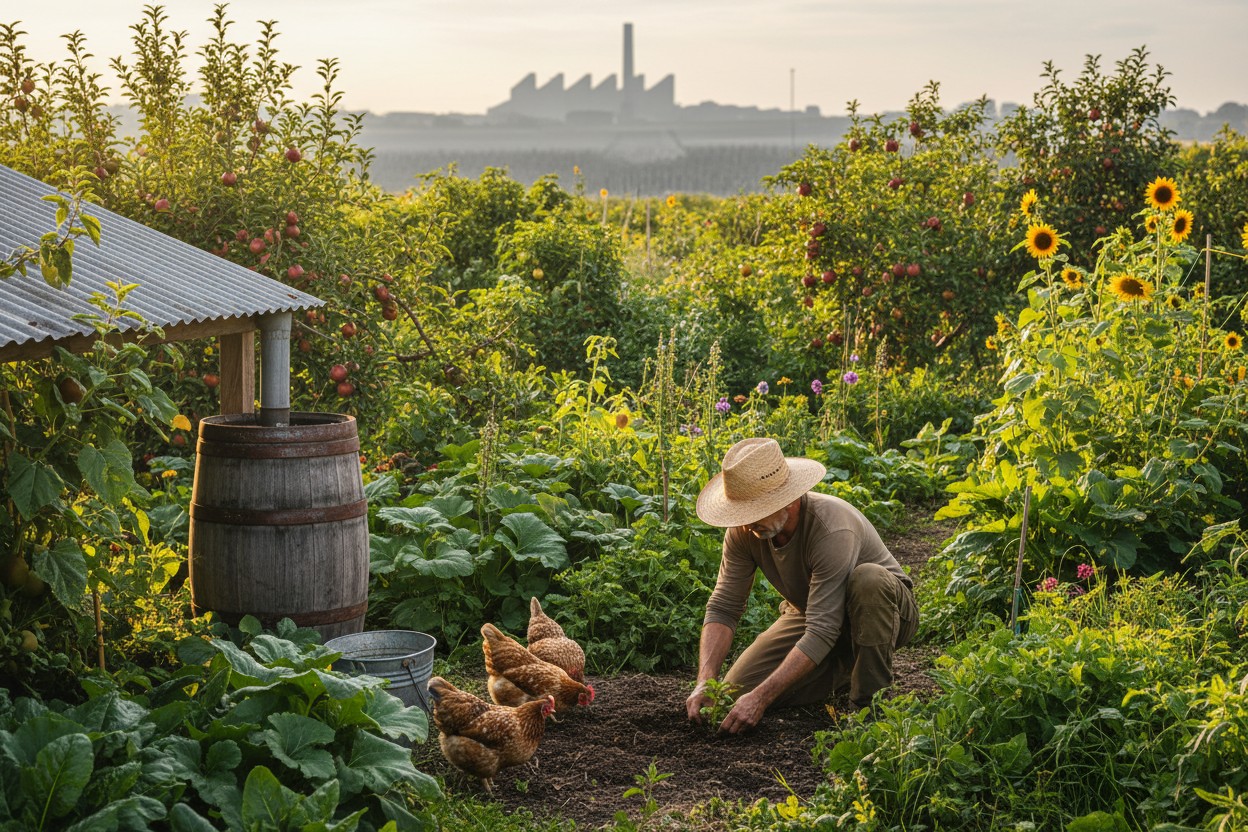
The industrial model relies on a reductionist approach: monocultures, heavy synthetic inputs, and massive logistical networks that are inherently fragile. Conversely, permaculture operates on the principle of "symbiotic relationships." By integrating nitrogen-fixing trees, poultry, and diverse plant species, a landowner creates a self-reinforcing loop where the output of one element becomes the input of another. This system reduces the need for external fertilizers, pesticides, and expensive logistics, effectively insulating the producer from the volatility of global markets.
Chronology: From Industrial Dominance to Decentralized Revival
The trajectory of modern food production has been a steady march toward centralization, but the tides are beginning to turn.
- Mid-20th Century: The "Green Revolution" institutionalized the use of synthetic fertilizers and chemical pesticides, tying the global food supply to the price of oil and the stability of massive multinational corporations.
- Early 2000s: Increasing reports of soil depletion, chemical runoff, and the rise of "lab-grown" food alternatives began to stir consumer anxiety.
- 2020–2023: Global supply chain disruptions and the "fertilizer shock"—a direct result of geopolitical instability—exposed the fragility of relying on international commodity markets for basic sustenance.
- Present Day: A surge in interest regarding "scrapsteading" and regenerative agriculture marks a shift toward localized production. The focus has moved from "buying local" to "producing sovereignly."
Supporting Data: The Economics of ‘Scrapsteading’
The most compelling argument for permaculture is not just ideological—it is fiscal. Practitioners utilize a methodology often referred to as "scrapsteading," which prioritizes resourcefulness over capital. By repurposing waste streams—such as kitchen scraps for compost or discarded industrial materials for infrastructure—the cost of food production drops to near zero.
In a climate of hyperinflation, this transition is critical. While cash assets can be devalued by central banks and purchasing power can be eroded by market manipulation, the knowledge of how to manage an ecosystem is a permanent, non-devaluable asset. Data from agricultural researchers suggests that farms transitioning to biocomplete compost and closed-loop cycles see a 30% to 50% reduction in long-term operational costs within three years. These figures represent a significant hedge against the economic instability that currently plagues the industrialized world.
Official Responses and Systemic Friction
The rise of decentralized food production has not gone unnoticed by global regulatory bodies. As small-scale agriculture moves from a hobby to a viable alternative to the corporate food system, legislative pressure on "unregulated" farming has increased.
Proponents of permaculture argue that governments and large-scale agricultural conglomerates view self-sufficiency as a threat to their leverage. When a household can feed itself and its neighbors, it removes the primary mechanism of control: the threat of hunger. While globalist institutions promote "sustainability" through centralized lab-grown proteins and geoengineering solutions, independent practitioners argue that these "official" solutions are designed to maintain dependency rather than foster autonomy. The friction between these two philosophies—top-down control versus bottom-up resilience—is becoming a defining political struggle of our time.
Implications: The Sovereignty of Health and Defense
The implications of shifting to a permaculture-based lifestyle extend far beyond the dinner table.
The Biological Defense
Modern agriculture has arguably bred the medicinal value out of our crops to favor shelf life and transportability. A return to wilder, more diverse cultivars allows individuals to cultivate their own medicine. Herbs, nutrient-dense vegetables, and sprouts serve as the first line of defense in a world where chemical toxicity and pharmaceutical dependency are rising. By reclaiming the apothecary, individuals effectively decouple their health from a medical system that often prioritizes treatment over prevention.
Preparedness as a Capability
True preparedness is often misunderstood as having a large inventory of canned goods. However, canned goods are a finite resource—a "band-aid" for a structural wound. The permaculture philosophy posits that true security is a capability, not an inventory. If you can grow, process, and regenerate your resources, you are immune to the failure of the logistics grid. This mindset shift is the most potent weapon against the "manufactured helplessness" that dominates modern consumer culture.
A Reclaimed Dignity
Perhaps the most significant implication is psychological. The act of tending to one’s own food forest provides a profound sense of agency. In a world designed to keep citizens anxious and dependent on the next market fluctuation, the person who understands the soil and the seasons is inherently more free.
Conclusion: The First Domino
The transition to permaculture is not merely a change in agricultural practice; it is a fundamental reorientation of the human relationship with the state and the corporation. By taking control of the food supply, individuals regain the ability to question the systems that have for too long held them captive.
This is the "first domino." Once the necessity of the centralized food supply is removed, the entire edifice of controlled dependency begins to crack. As we look toward an uncertain future, the most radical act one can perform is to plant a seed, nurture a living ecosystem, and build a life that does not require the permission of the state to exist. Permaculture is, ultimately, the practice of freedom—one harvest at a time.
Summary of Core Principles for the Modern Practitioner:
- Observe and Interact: Understand the land before imposing a design upon it.
- Produce No Waste: View every output as an input for another part of the system.
- Use and Value Diversity: Move away from monoculture to prevent systemic collapse.
- Integrate, Don’t Segregate: Build relationships between elements for mutual support.
- Small and Slow Solutions: Start manageable and scale up through regenerative growth rather than brute force.