









When the Human Genome Project reached its completion in 2003, it was heralded as the "Holy Grail" of biological science. By sequencing the entirety of the human genetic code, researchers anticipated they would finally hold the master key to human health, allowing us to predict and prevent disease with near-perfect accuracy. Yet, two decades later, the promise remains largely unfulfilled.
Genetic predisposition explains only about 10% of the risk for most chronic diseases. The remaining 90% is dictated by the environment—and at the epicenter of that environmental influence lies our diet. Despite this, the global health crisis continues to accelerate. Obesity, cardiovascular disease, and metabolic disorders are rising at alarming rates, even as public health messaging continues to focus on a narrow, outdated set of variables. We are facing a scientific blind spot: we are treating food as a simple equation of fuel and nutrients, while the reality is an infinitely more complex chemical odyssey.
The Chronic Crisis: Why Standard Advice Is Failing
Worldwide, poor diet is officially linked to one in five deaths among adults aged 25 and older. In Europe, the situation is even more critical, with nutritional factors accounting for nearly half of all cardiovascular-related fatalities.
For decades, the public health mandate has been consistent: cut fat, reduce salt, limit sugar. While these interventions are well-intentioned, the persistent rise in diet-related illness suggests that the traditional "calories-in, calories-out" framework—and the focus on a limited list of 150 known vitamins and minerals—is missing the forest for the trees. We have been viewing nutrition through a keyhole, ignoring the vast, hidden ecosystem of compounds that define how our bodies function.
A Chronology of Nutritional Discovery
To understand where we are going, we must look at how we arrived here:
- The Early Era (1900s–1950s): Nutrition science focused on preventing deficiency diseases like scurvy or rickets. The discovery of vitamins and essential minerals led to a reductionist view of food as a collection of isolated, "good" or "bad" nutrients.
- The Genomic Era (1990s–2003): The Human Genome Project shifted the focus toward DNA. Scientists believed that by mapping the code, they could solve the puzzle of health.
- The Epigenetic Realization (2000s–2010s): Following the aftermath of the Dutch Hunger Winter, longitudinal studies revealed that the diet of a mother could physically alter the gene expression of her children, leading to lifelong health consequences. This proved that food acts as a chemical signal, not just fuel.
- The Foodomics Era (Present Day): We are currently in the midst of a data revolution. Using high-throughput technologies, scientists are finally beginning to map the "nutritional dark matter" that has been hidden in plain sight for centuries.
The Concept of Nutritional Dark Matter
In astronomy, "dark matter" refers to the mysterious substance that makes up roughly 27% of the universe. It is invisible, emitting no light or energy, yet its gravitational influence is what holds galaxies together. Without it, the universe as we know it would not exist.
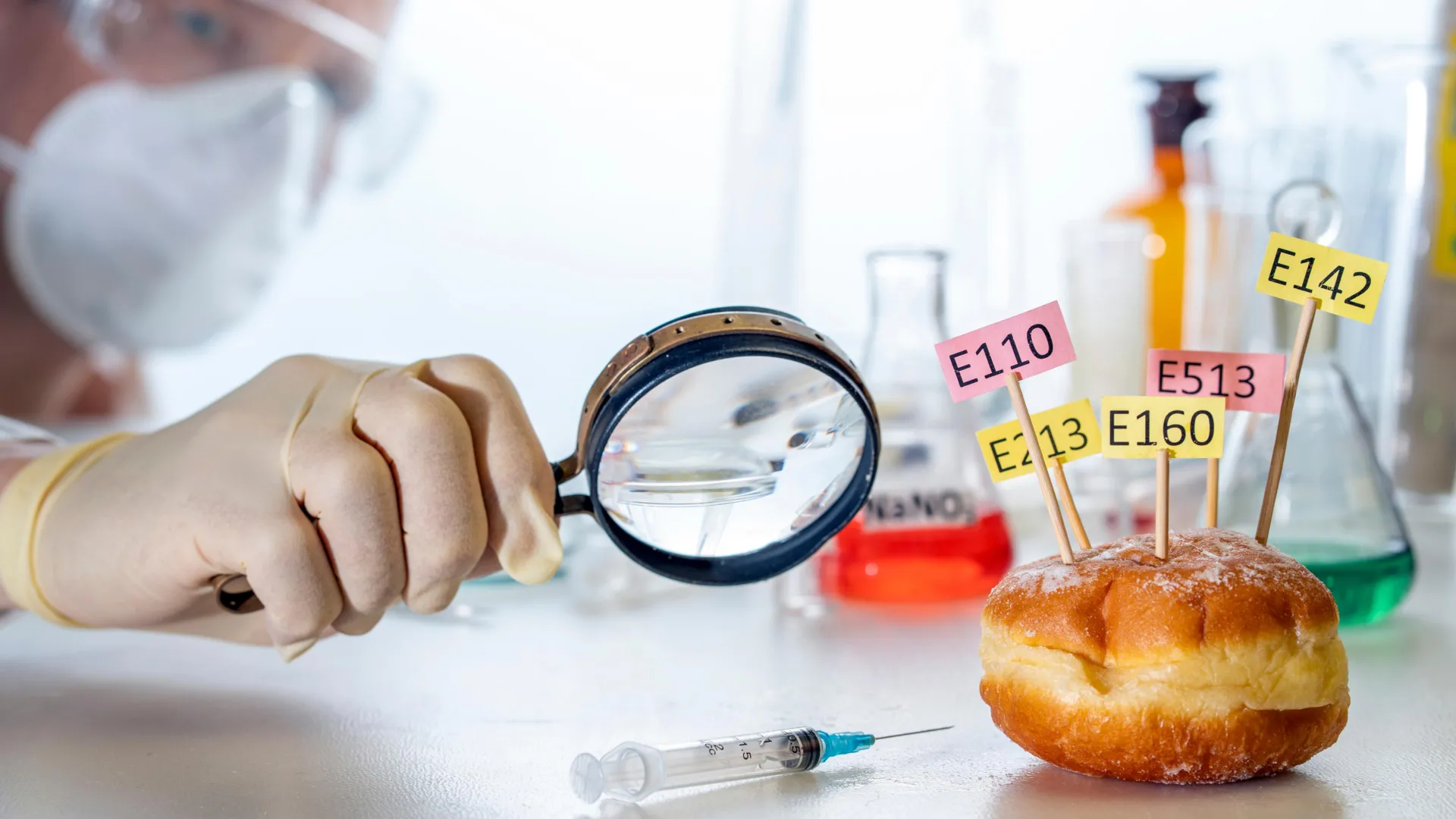
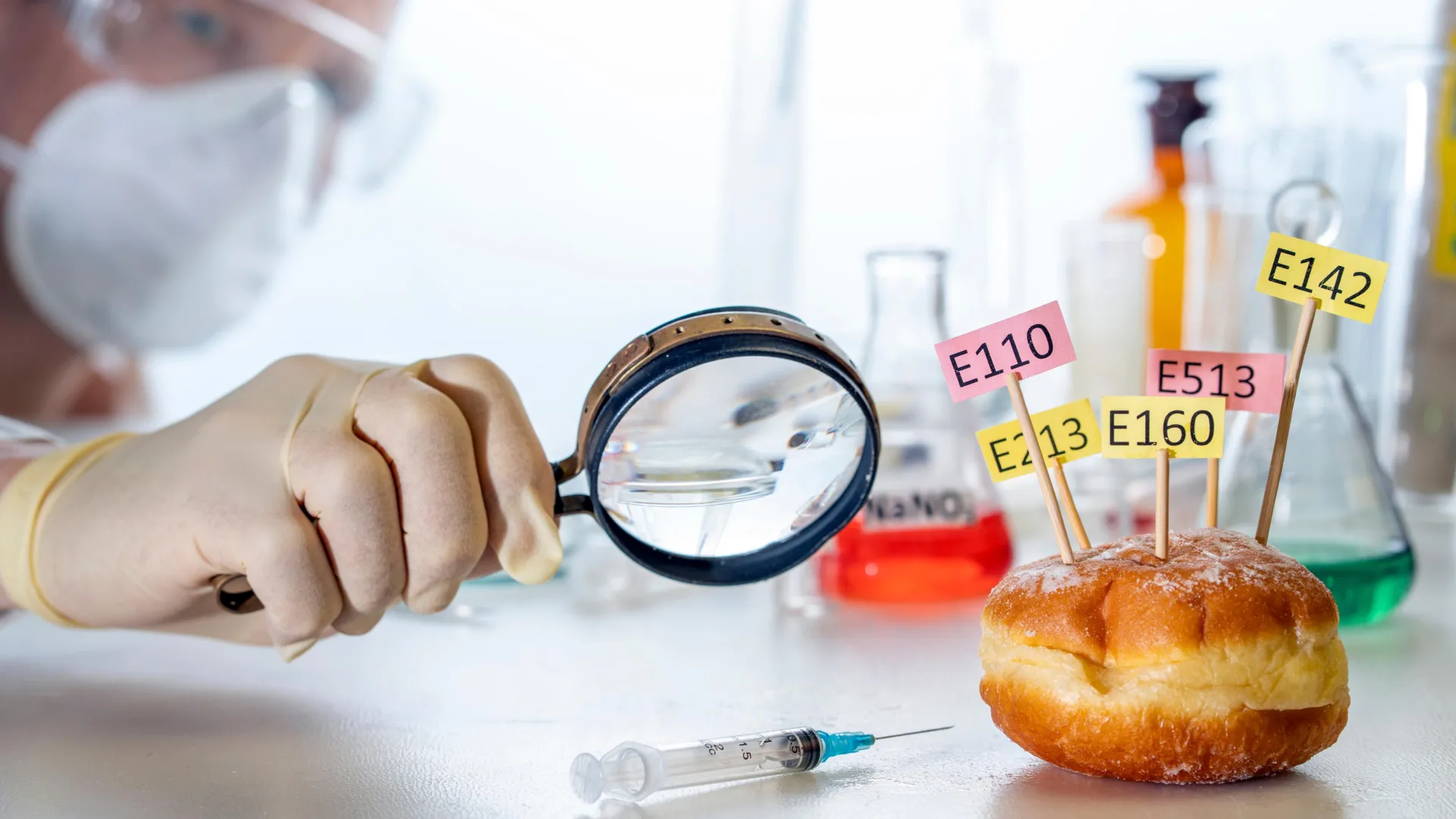
Nutrition science has encountered a near-identical phenomenon. While we traditionally track roughly 150 compounds—proteins, carbohydrates, fats, and essential vitamins—scientists now estimate that our diet delivers over 26,000 distinct chemical compounds. The vast majority of these remain "uncharted." We consume them daily, yet we possess almost zero knowledge regarding their biological impact.
These unknown molecules are the "nutritional dark matter." Some may be the hidden architects of health, while others could be the silent drivers of disease. The scientific community is currently engaged in an immense race to categorize these compounds and distinguish between the benign, the beneficial, and the harmful.
The Emergence of Foodomics
To decode this chemical landscape, researchers have turned to Foodomics, an interdisciplinary field that merges genomics, proteomics, metabolomics, and nutrigenomics. By integrating these massive datasets, Foodomics seeks to provide a comprehensive map of how specific food molecules interact with human cells and genes.
The Role of Gut Microbes
A critical piece of the puzzle is the human microbiome. When we consume food, it is not merely processed by our own organs; it is fermented and transformed by trillions of gut bacteria. These microbes act as a "biochemical refinery," turning food compounds into entirely new substances that the body can use—or suffer from.
For instance, consider TMAO (trimethylamine N-oxide), a molecule associated with heart disease. TMAO is produced when gut bacteria metabolize certain compounds found in red meat and eggs. However, the story is not as simple as "red meat is bad." Research shows that specific substances found in garlic can block the production of TMAO, essentially neutralizing a potential health risk. This interaction demonstrates that health is not a static state, but a dynamic balance governed by the complex interplay between food, microbes, and our internal chemistry.
Epigenetics: The Molecular Switch
The most profound discovery in modern nutrition is that food can physically influence our DNA without changing the code itself. This is the realm of epigenetics.
The historical data from the Dutch Hunger Winter remains the most chilling proof of this. Children born during the famine were found to have altered gene expression that persisted into adulthood, predisposing them to diabetes, obesity, and heart disease. Their bodies had "adjusted" to a nutrient-scarce environment at the molecular level, a change that remained "switched on" for decades. This confirms that what we eat is essentially a message sent to our cells, instructing them on how to operate.
Supporting Data: Mapping the Foodome
The Foodome Project is currently leading the charge to bring order to this chaos. By cataloging over 130,000 distinct molecules found in food, the project aims to link specific chemical structures to human proteins, gut microbes, and systemic disease processes.
The ambition is to create an "Atlas of the Foodome," a comprehensive, searchable database that will allow clinicians to move away from generic dietary advice toward "precision nutrition." Instead of telling a patient to simply "eat more vegetables," a physician might one day be able to identify which specific phytochemicals are required to optimize that individual’s metabolic profile.
Implications: The Future of Health
The implications of uncovering nutritional dark matter are staggering. By moving beyond the archaic view of food as mere calories, we stand on the cusp of a medical revolution.
- Personalized Nutrition: Understanding how our unique microbiome and genetic profile interact with specific "dark matter" molecules will allow for diets tailored to the individual.
- Drug Discovery: Many of the compounds in food that we have ignored may serve as the basis for the next generation of life-saving pharmaceuticals.
- Disease Prevention: By identifying which molecules trigger inflammatory or protective responses, we can design food products that actively prevent, rather than just manage, chronic disease.
- Redefining "Healthy": As we map the vast chemical landscape of our food, we may find that some foods previously labeled as "unhealthy" have hidden benefits, while others currently perceived as "healthy" might harbor risks that we are only now beginning to quantify.
Conclusion: A New Era of Nutritional Literacy
We are still in the infancy of this discovery. Just as the mapping of the cosmos changed our understanding of the universe, the mapping of the foodome is poised to fundamentally alter our relationship with the dinner plate.
The food we consume is not just fuel; it is a complex, high-stakes chemical interaction that influences our health, our longevity, and even the health of our children. As we peel back the layers of nutritional dark matter, we are moving toward a future where we no longer guess at the effects of our diet, but instead possess the precision to harness the full power of the food we eat. The science is complex, but the path forward is clear: the answer to our health crisis is not in the next supplement, but in the vast, hidden complexity of the food we have been eating all along.