









For millions of people worldwide, the morning ritual of brewing a pot of coffee or steeping a bag of tea is the essential spark required to start the day. Beyond the immediate caffeine jolt and the comforting warmth of the mug, these beverages are among the most widely consumed substances on the planet. Yet, for older women, the choice of beverage may carry long-term physiological consequences that extend far beyond mere alertness.
A comprehensive new study conducted by researchers at Flinders University has shed light on the divergent roles that coffee and tea play in the landscape of skeletal health. Published in the journal Nutrients, the research provides compelling evidence that while tea may offer a protective benefit to bone density, high-volume coffee consumption could present hidden risks, particularly when paired with certain lifestyle factors.
The Global Burden of Osteoporosis
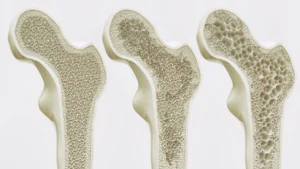
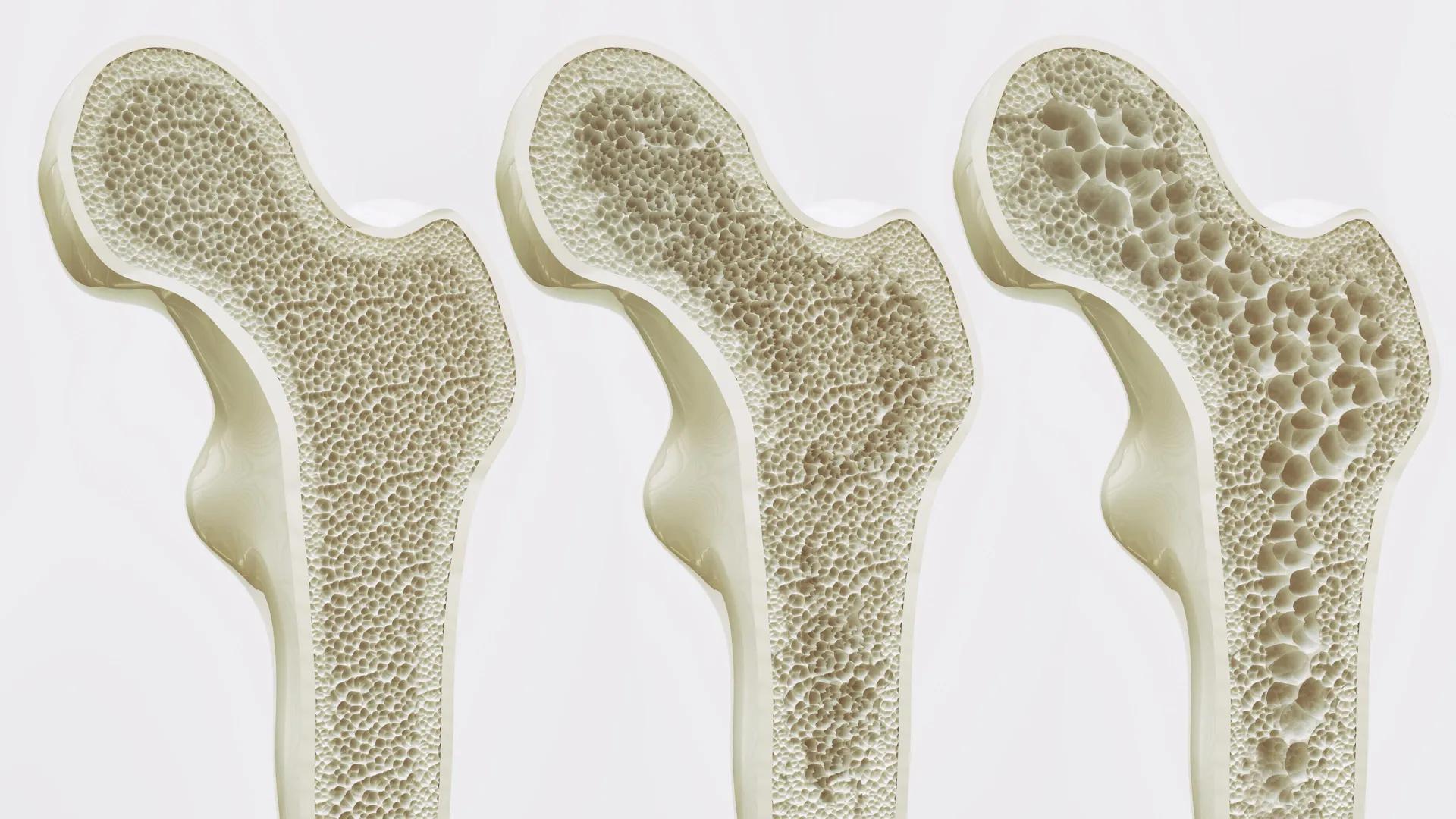
To understand the significance of this research, one must first recognize the scope of the global health crisis that is osteoporosis. Often referred to as the "silent disease," osteoporosis is characterized by low bone mass and the structural deterioration of bone tissue, leading to increased bone fragility and a high risk of fractures.
The statistics are sobering: one in three women over the age of 50 will experience an osteoporotic fracture during their remaining lifetime. These fractures—particularly those of the hip and femoral neck—are not merely painful; they are often life-altering events that can lead to a loss of independence, chronic pain, and significant increases in mortality rates. As the global population ages, the socioeconomic and personal burden of these fractures continues to climb.
Because billions of individuals consume coffee or tea daily, even subtle shifts in bone mineral density (BMD) linked to these habits could have profound public health implications. Despite decades of study, previous research into the relationship between caffeine, tea polyphenols, and bone health has been plagued by inconsistent data and short-term observation periods. The Flinders University study addresses these gaps, utilizing a robust, 10-year longitudinal analysis to clarify the impact of our daily brews.
Study Methodology: A Decade of Data
The research, led by Adjunct Associate Professor Enwu Liu and co-author Ryan Yan Liu, utilized data from the prestigious Study of Osteoporotic Fractures (SOF). This large-scale, long-term study allowed the researchers to track nearly 10,000 women, all aged 65 and older, over a decade-long period.
The methodology was meticulous. Rather than relying on a single snapshot in time, the researchers repeatedly assessed the participants’ beverage consumption habits through extensive questionnaires. Concurrently, they employed advanced dual-energy X-ray absorptiometry (DXA) scans to monitor changes in bone mineral density at the hip and femoral neck—the two anatomical sites most critical to predicting future fracture risk.
By tracking these variables over ten years, the team was able to account for fluctuations in intake and observe the cumulative effect of these beverages on skeletal integrity. This longitudinal approach provides a much clearer picture of the long-term biological impact than previous cross-sectional studies could offer.
The Tea Advantage: A Protective Brew?
One of the most notable findings of the study concerns the relationship between tea consumption and bone density. The data revealed that women who regularly consumed tea demonstrated a statistically significant—though modest—increase in total hip BMD compared to their non-tea-drinking counterparts.
According to Ryan Yan Liu, the underlying mechanism likely resides in the complex chemistry of tea leaves. "Tea is rich in compounds known as catechins," he explains. "These are a type of natural phenol and antioxidant that have been shown in various laboratory settings to promote osteoblast activity—the cells responsible for bone formation—while simultaneously slowing the activity of osteoclasts, which are the cells responsible for bone resorption or breakdown."
For women with obesity, the study found these benefits to be even more pronounced. This suggests that the anti-inflammatory and antioxidant properties of tea might offer a unique protective buffer for the skeletal system, helping to mitigate the age-related decline in bone density that is universal among the aging population.
The Coffee Conundrum: Dosage and Lifestyle
While tea appears to be a beneficial addition to the diet, the findings regarding coffee are more nuanced and cautionary. The study indicates that moderate coffee consumption—defined as roughly two to three cups per day—is effectively neutral, showing no significant harm to bone health.
However, the risk profile shifts significantly when consumption exceeds five cups per day. In this high-intake group, researchers observed a decrease in BMD, suggesting that excessive caffeine intake may interfere with the body’s ability to maintain bone density over time.
"Coffee’s caffeine content has been shown in various clinical and laboratory studies to potentially interfere with calcium absorption and disrupt normal bone metabolism," Ryan Liu notes. "While these effects are generally small, they can become meaningful when consumed in high volumes over many years."
Perhaps most importantly, the study highlights that the impact of coffee is not uniform; it is heavily influenced by external lifestyle factors. The research identified that the negative associations between high coffee intake and bone density were significantly exacerbated in women with a history of higher lifetime alcohol consumption. This suggests a synergistic, and potentially damaging, interaction between high caffeine intake and alcohol, which may accelerate the leaching of calcium or inhibit the bone-building process.
Official Responses and Expert Interpretation
The findings have sparked a meaningful dialogue within the medical community regarding diet-based interventions for bone health. Adjunct Associate Professor Enwu Liu emphasizes that while the results are significant, they should be viewed through a lens of moderation and balance.
"Our results do not mean that women need to abandon their morning coffee or start drinking gallons of tea," Associate Professor Liu stated. "What we are providing is a clearer understanding of how these common habits fit into the broader picture of healthy aging. While calcium and vitamin D remain the gold-standard cornerstones of skeletal health, what we drink plays a subtle but measurable role."
The research team is careful to note that while the differences in BMD between tea drinkers and non-drinkers were statistically significant, they were modest in absolute terms. They caution against viewing tea as a "magic bullet" for osteoporosis. Instead, it should be viewed as one small, manageable, and beneficial component of a holistic approach to bone health.
Clinical and Public Health Implications
The implications of this study are far-reaching. As the global population grows older, simple, low-cost dietary adjustments are becoming increasingly vital for public health.
- Preventative Education: The findings provide clinicians with a new, simple tool for patient education. By encouraging moderate tea consumption and advising against excessive coffee intake—especially for those with other risk factors—healthcare providers can offer actionable advice that empowers patients.
- Addressing High-Risk Subgroups: The interaction between coffee and alcohol intake identified in the study is particularly valuable for geriatric care. Doctors may now be more inclined to screen for heavy caffeine use in patients who also have a history of alcohol use, as this specific cohort may be at a higher risk for bone loss.
- Future Research Directions: The study opens the door for further research into the specific mechanisms of tea catechins. Understanding exactly how these compounds interact with bone metabolism could lead to the development of new, natural interventions for osteoporosis.
Conclusion: A Small Step Toward Stronger Bones
In the quest to maintain mobility and independence in later life, the small choices we make every day—what we drink, what we eat, and how we live—carry weight. The Flinders University research serves as a reminder that the beverage industry is not just about caffeine delivery systems; it is about the ingestion of biologically active compounds that have real-world consequences for our anatomy.
For many older women, a daily cup of tea may now be viewed as more than just a comforting ritual. It is a proactive step, a simple act of health maintenance that supports the structural integrity of the skeleton. As the scientific community continues to unravel the complexities of diet and disease, this study stands as a significant contribution to our understanding of how we can age with strength, one cup at a time.
Study Reference:
Liu, R. Y., & Liu, E. (2024). Longitudinal Association of Coffee and Tea Consumption with Bone Mineral Density in Older Women: A 10-Year Repeated-Measures Analysis in the Study of Osteoporotic Fractures. Nutrients.
Acknowledgments: Funding for the Study of Osteoporotic Fractures (SOF) was provided by the National Institute on Aging (NIA) and the National Institute of Arthritis and Musculoskeletal and Skin Diseases (NIAMS), under grants AG05407, AR35582, AG05394, AR35584, and AR35583.