





In an era defined by rapid technological advancement and digital tethering, the ancient practice of yoga offers a vital counter-narrative: the path to embodiment. As transpersonal psychologist Ken Wilber famously observed, "Few of us have lost our minds, but many of us have long ago lost our bodies." This disconnection—where our cognitive processes exist in a vacuum, detached from our physical vessels—often manifests as chronic tension, habitual hunching, and an inability to perceive the body’s early warning signals.
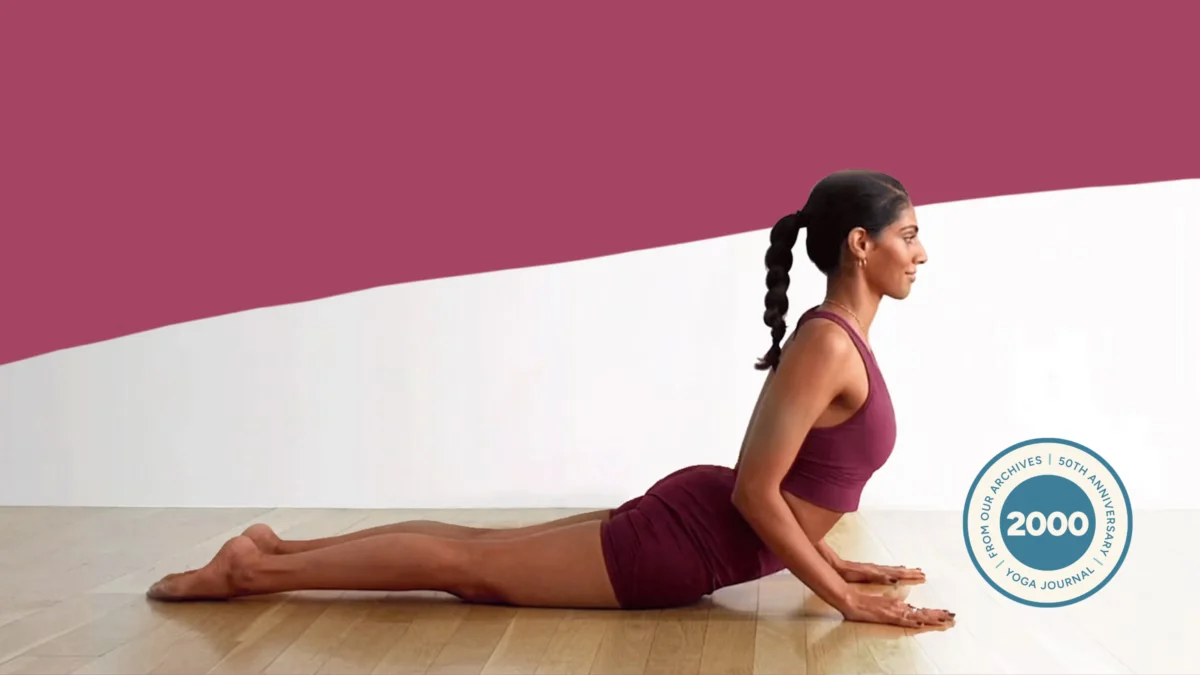
Within the vast lexicon of yoga, Cobra Pose (Bhujangasana) stands as a foundational pillar. Originally featured in the March-April 2000 issue of Yoga Journal and recently resurfaced from the publication’s extensive archives, this practice remains a definitive guide for those seeking to bridge the gap between mind and matter. By exploring the mechanics and the subtle energetics of the Cobra, practitioners can learn to move as an integrated whole, reclaiming their physical presence in a world that often demands we live entirely in our heads.
Understanding Embodiment: The Language of the Skin
Embodiment is far more than physical fitness; it is the deliberate act of spreading one’s consciousness throughout the entirety of the body. It is an internal excavation, a process of remembering the self by exploring the landscape of one’s own skin—from the crown of the head to the tip of the big toe, from the surface layers of the epidermis to the core stability of the spine.
When a student begins their yoga journey, they are often invited to bring awareness to areas they have long neglected or forgotten: the kidneys, the sternum, the thigh bones, or the subtle hinges of the kneecaps. Conversely, practitioners must also learn to navigate areas of habitual stagnation or pain, such as the sides of the neck or the lower lumbar region. Cobra Pose acts as a diagnostic and remedial tool in this process, demanding a total-body engagement that forces the practitioner to listen to the specific language of their anatomy.
Anatomical Landmarks: Mapping the Path to Alignment
Before attempting the posture, one must understand the "geography" of the body. A common mistake in modern movement is the "crushing" of the occipital ridge—the area where the skull meets the spine. By reaching back to the nape of the neck, one can feel the two bony points that define the upper cervical spine. Collapsing this space during backbends is a primary cause of neck strain. Instead, the goal is to extend the back of the neck in alignment with the spine, allowing the chin to drop naturally.
Furthermore, the tailbone serves as a critical junction. Turning the tailbone upward creates a "sway" that jams the sacrum, the triangular bone at the base of the spine. By consciously rotating the tailbone toward the earth, the practitioner creates essential space in the lower back, facilitating a healthier, more sustainable curve.
Finally, the shoulder blades—those winged bones that slide across the rib cage—must be consciously managed. Under stress, the human default is to draw the shoulders toward the ears. To perform Cobra correctly, one must train the scapulae to slide down the back, grounding the shoulder girdle and providing the stability necessary to allow the sternum to blossom outward.
The Chronology of the Practice: Step-by-Step Execution
The mastery of Cobra Pose is not found in the height of the lift, but in the integrity of the spinal extension. To practice safely and effectively, follow this established sequence:
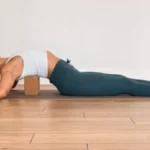
- Preparation: Lie flat on your belly with your forehead resting on the floor. Place your hands under your shoulders.
- Engagement: Draw your shoulder blades down your back, lifting your shoulders away from the floor. Hug your elbows toward your midline. Activate the legs by pointing the toes and pressing the tops of the feet into the mat, firming the thighs.
- Stabilization: Press your pubic bone into the floor. This is the "anchor" of the pose; it stabilizes the lower back and prevents the sacrum from compressing.
- Initiation: Inhale to lift the chest. Resist the temptation to push up with the arms. Instead, utilize the strength of the back muscles to lift the torso. To test your alignment, briefly hover your hands off the floor—if you can maintain your position, your back is doing the work rather than your arms.
- Integration: Exhale to lower. Repeat this cycle several times, visualizing a single current of energy running from the pubis up the front of the spine and down the back of the legs.
Implications of the "Heart Opener"
Beyond its physical benefits—such as increased circulation, improved kidney function, and enhanced spinal flexibility—Cobra Pose is widely categorized as a "heart opener." In the yogic tradition, the rib cage is considered a storage vessel for held emotions. By expanding the chest and lengthening the anterior spine, the practitioner facilitates a subtle release of these tensions.
The implications for mental health are significant. As the body releases these physical constraints, there is a subsequent rise in the practitioner’s sense of joy and vitality. It is a transition from a "disembodied" state of stress to a "grounded" state of presence. The practice forces the practitioner to remain in the present moment, as the alignment cues require constant, active attention.
Supporting Data: Why "Height" is a Misconception
In contemporary yoga studios, there is a pervasive trend of equating the quality of a backbend with its height. This is a dangerous misconception that leads to high rates of lumbar injury. Clinical observations from the archives emphasize that when a student forces height, they often neglect the necessary foundation in the legs and the pubic connection.
"The goal is extension in the spine and opening in the chest," the archival text notes. By prioritizing vertical extension over the mere number of inches lifted, the practitioner safeguards the spine. This methodology serves as a broader metaphor for life: when we prioritize appearance and outcome over structural integrity, we are prone to collapse. True strength, in both asana and daily life, is built through the patient accumulation of support systems—in this case, the legs, the core, and the intentional grounding of the scapulae.
Conclusion: The Residual Effect
Upon exiting the pose, the practitioner is encouraged to rest on their belly with the head turned to the side. This period of stillness is vital; it allows the "positive residuals" of the practice to settle. The body often feels like a dry, parched field that has been freshly irrigated—a sensation of fullness and fluid movement that signals a successful reconnection between mind and body.
Ultimately, the Cobra is not merely a pose to be "achieved" and left behind. It is a gateway. By regularly revisiting the landmarks of the body and maintaining the integrity of the spine, practitioners can carry the principles of embodiment—awareness, patience, and structural alignment—out of the studio and into the complexities of their daily lives. In the quiet strength of the Cobra, we find a way to reclaim the bodies we have, for too long, forgotten.