








5 August, 2026
In a landmark move toward prioritizing preventative healthcare across the continent, the European Respiratory Society (ERS) and the European Lung Foundation (ELF) have issued a formal call to action. As the European Union prepares for its inaugural EU Screening Week, scheduled for 28 September to 4 October 2026, these leading health organizations are mobilizing respiratory professionals and patient advocacy groups to ensure that lung health takes center stage in the European Commission’s broader health strategy.
The initiative, designed to be far more than a fleeting awareness campaign, aims to cement the importance of early detection and preventative screening within the routine healthcare frameworks of every EU Member State. By leveraging the momentum of the European Commission’s cardiovascular plan, the ERS and ELF are seeking to prove that respiratory and cardiovascular health are inextricably linked, and that neither can be effectively managed in isolation.
The Core Mandate: Putting Lung Health on the Map
The EU Screening Week represents a pivotal moment for public health policy in Europe. Under the auspices of the European Commission, the week is intended to mobilize stakeholders, encourage individual health accountability, and create a visible, synchronized health moment across all member states.
The primary objective is to move away from the traditional, reactive model of healthcare—where patients seek help only after symptoms become chronic or debilitating—and shift toward a proactive model centered on routine screening. For the respiratory community, this is a long-sought opportunity. By organizing and registering lung health activities, clinics, hospitals, and patient networks can contribute to a centralized European database. This data will be visualized on an official European Commission map, providing a comprehensive, real-time snapshot of the continent’s commitment to early detection.
Why Respiratory Health?
While the EU Screening Week is anchored within the Commission’s cardiovascular framework, the ERS and ELF argue that respiratory health is a fundamental pillar of this effort. Lung function, oxygenation, and cardiovascular performance are part of a singular physiological ecosystem. Chronic Obstructive Pulmonary Disease (COPD), asthma, and interstitial lung diseases often present with symptoms that overlap with cardiovascular strain. By advocating for integrated screening, the respiratory community aims to demonstrate that early detection of lung health issues can significantly reduce the burden on cardiovascular systems and, by extension, national healthcare budgets.
Chronology: A Roadmap to September 2026
The mobilization effort is currently in full swing, with a strict timeline for organizations aiming to participate in this inaugural event:
- August 5, 2026: Official launch of the call to action by ERS and ELF, providing access to the Healthy Lungs for Life toolkit and registration guidelines.
- August–September 2026: Development and coordination phase. Local health organizations, universities, and patient groups organize testing events, education sessions, and outreach programs.
- September 20, 2026: The absolute deadline for all organizers to register their events on the official European Commission portal.
- September 28 – October 4, 2026: The inaugural EU Screening Week. Events take place across the continent, ranging from community lung function tests to national advocacy symposiums.
- Post-October 2026: Evaluation phase. The European Commission will analyze the reach and impact of the registered events to determine the viability of making Screening Week a recurring annual event.
Supporting Data: The Case for Early Detection
The urgency behind this campaign is supported by decades of data collected through the Healthy Lungs for Life campaign. For over ten years, this initiative has acted as a bridge between scientific research and public awareness.
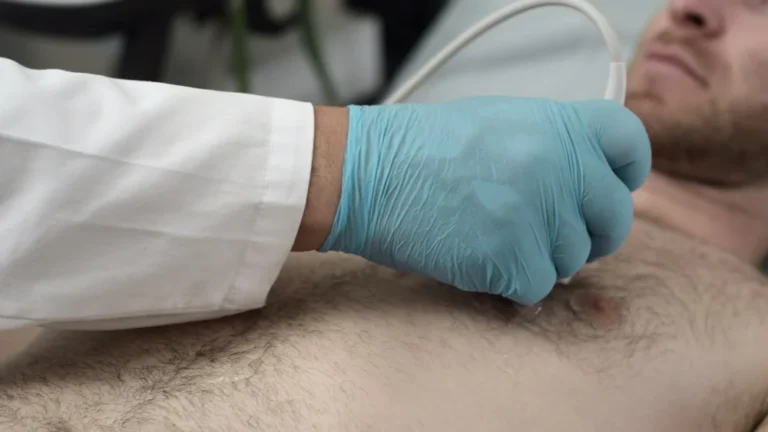
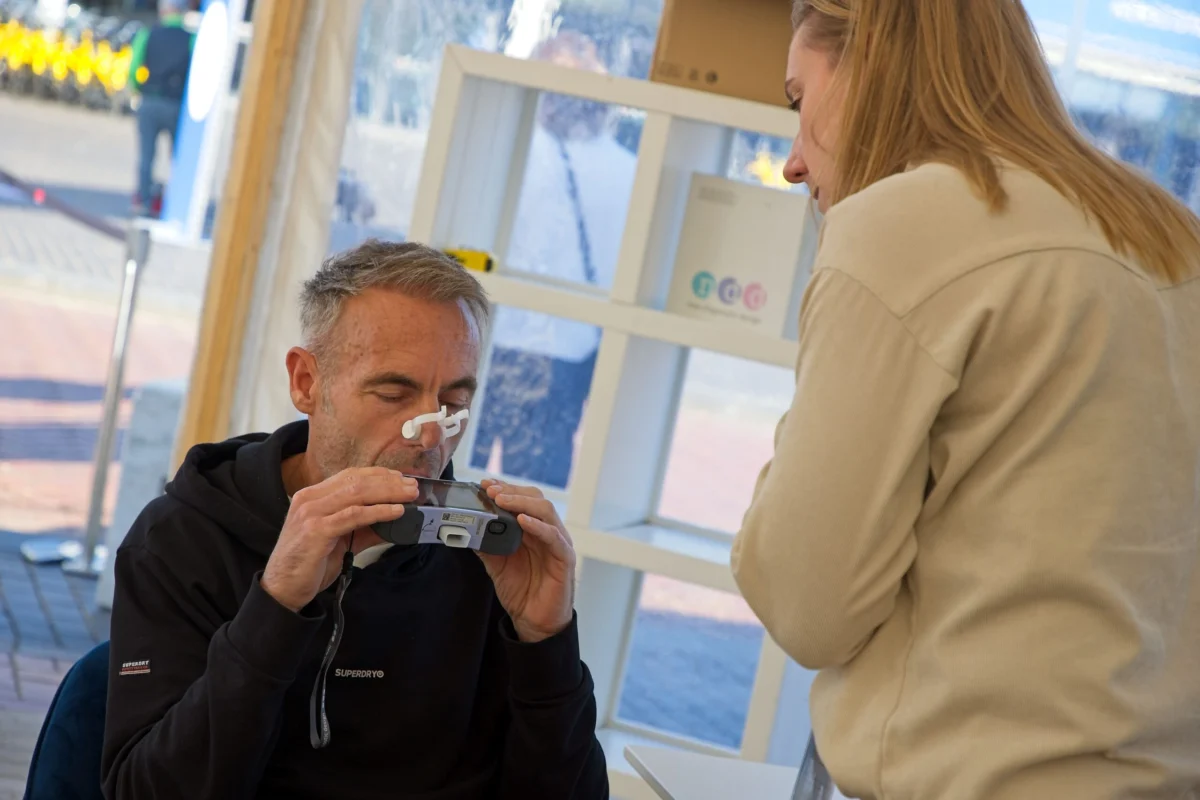
Current data suggests that early detection of respiratory decline—often observable through simple spirometry or pulse oximetry—can prevent the progression of severe, life-limiting conditions. The ERS emphasizes that many respiratory diseases are asymptomatic in their earliest, most treatable stages. When caught early, lifestyle modifications, early medical intervention, and environmental changes can drastically alter the patient’s prognosis.
Furthermore, the economic argument for routine screening is compelling. The cost of managing late-stage, chronic respiratory failure is exponentially higher than the cost of diagnostic screening. By integrating these tests into the routine health checks that citizens are already encouraged to take, the EU could potentially alleviate a significant portion of the fiscal pressure on healthcare systems.
Official Responses and Strategic Vision
Prof. Raquel Duarte, the incoming ERS Director of Scientific Relations with the EU, has been a vocal proponent of this initiative. In a recent statement, she emphasized that the scientific and clinical communities are at a "crucial moment" in the history of European healthcare.
"Prevention of respiratory diseases is at an extremely crucial moment," Prof. Duarte stated. "We are edging ever closer to ensuring that respiratory health checks form part of standardised health checks across Europe, but we need the help of our networks of professionals and patients to make it happen."
Prof. Duarte further clarified the strategic importance of the collaboration with the cardiovascular plan: "Respiratory being included in the European Commission’s cardiovascular plan would be a gamechanger for respiratory health. The benefits to public health, and to national and regional economies would be vast. I look forward to seeing and hearing about all the respiratory events that take place on EU Screening Week."
The sentiment is echoed by patient advocates who argue that "awareness" is no longer enough. The goal for 2026 and beyond is to transition from mere awareness to institutionalized screening, effectively making lung checks as routine as blood pressure monitoring.
Implications: Building a Sustainable Future
The implications of a successful EU Screening Week extend far beyond the single week in September. Should the initiative gain the traction envisioned by the ERS and ELF, it could set a new standard for how the EU approaches chronic disease.
1. Standardization of Care
By establishing a precedent during this week, organizations can push for national health policies to mandate, or at least highly recommend, regular lung function assessments for high-risk populations (such as smokers or those in polluted urban environments).
2. Bridging the Gap Between Research and Practice
The use of the Healthy Lungs for Life toolkit is a strategic attempt to ensure that scientific rigor accompanies public engagement. By providing professionals with evidence-based resources, the ERS ensures that the screening events are not just symbolic, but clinically valid and useful for the patients participating in them.
3. Creating a "Health Moment"
The European Commission’s desire to create a "visible European health moment" is a sophisticated use of behavioral economics. By synchronizing health efforts across 27+ countries, the Commission aims to create a sense of collective responsibility. When citizens see screening activities happening in every major city from Lisbon to Warsaw, the stigma associated with testing often dissipates, replaced by a normalized culture of prevention.
How to Get Involved
For respiratory professionals, patient groups, and NGOs looking to make an impact, the barrier to entry has been minimized through the ERS and ELF resources. Organizations are encouraged to:
- Review the Healthy Lungs for Life Event Toolkit: Available on the ERS website, this guide provides templates for event planning, marketing, and clinical logistics.
- Define the Scope: Events can range from small, community-based breathing checks to large-scale public education seminars.
- Register: All events must be submitted through the official European Commission portal by the September 20 deadline to ensure they are featured on the Europe-wide map.
As the respiratory community prepares for this monumental effort, the message remains clear: the future of European public health lies in the ability to detect, prevent, and protect. By aligning their efforts with the EU Screening Week, the ERS and ELF are not merely advocating for better lungs—they are advocating for a stronger, more resilient, and healthier Europe for all its citizens.
The deadline for registration is fast approaching, and the call for participation is an invitation to every stakeholder in the respiratory field to play their part in defining the next decade of European health policy.