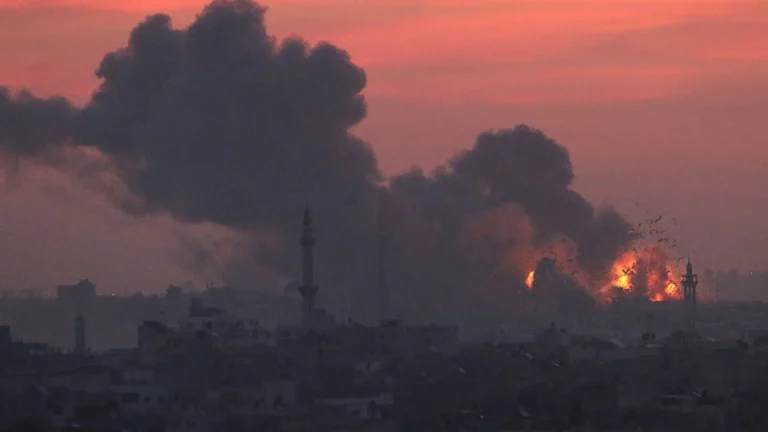











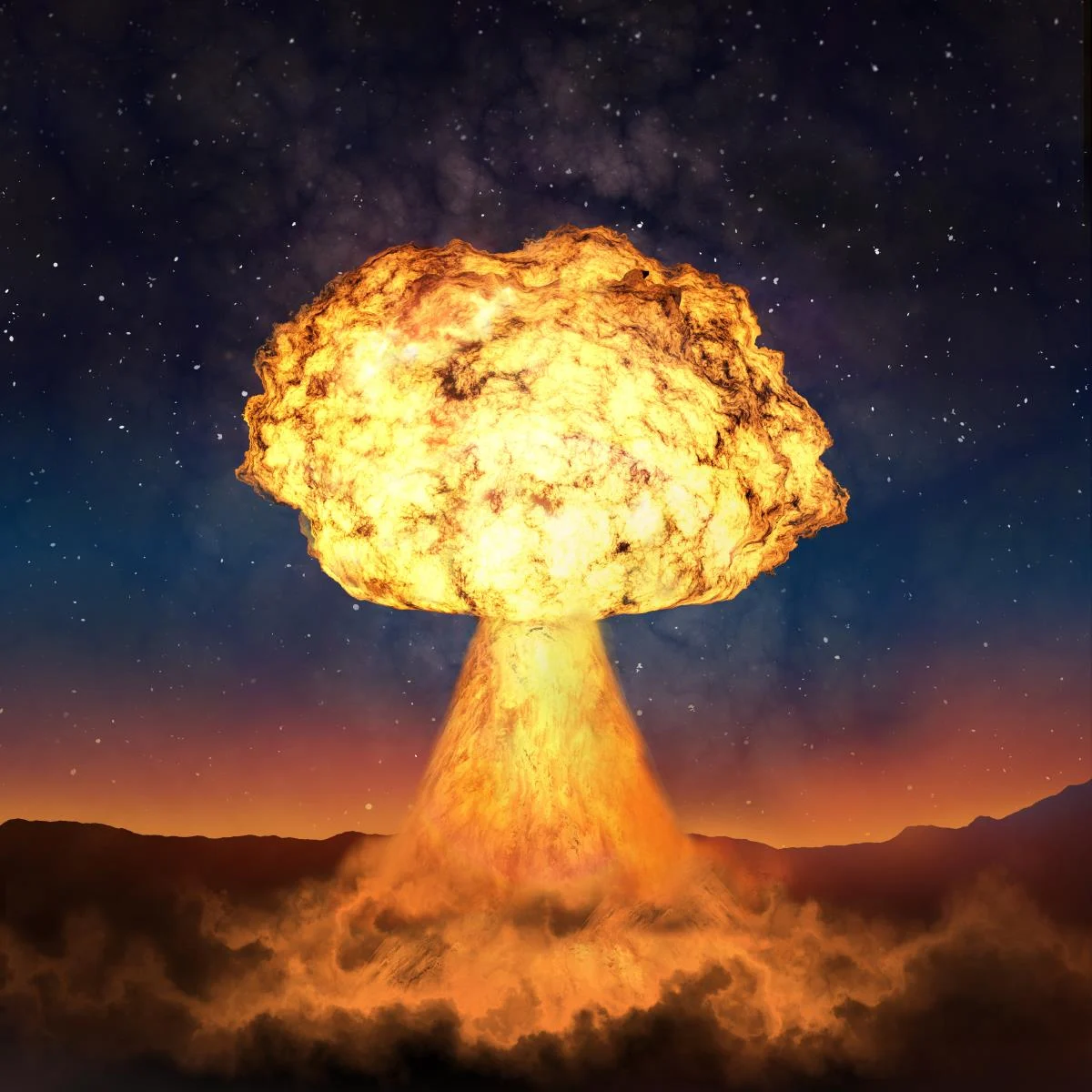
For decades, the public consciousness surrounding nuclear catastrophe has been anchored by a singular, terrifying visual: the mushroom cloud. It is an image defined by its kinetic energy—the blinding flash, the searing heat, and the mechanical devastation of the shockwave. However, in Chapter 5 of the educational series "UNBREAKABLE," streamed on September 2, Mike Adams shifts the focus away from the cinematic spectacle of the blast toward a more insidious, invisible, and long-term danger: the pervasive radioactive contamination that lingers long after the initial detonation.
Adams argues that while the explosion is a singular event of seconds, the true peril of a nuclear disaster lies in the "second phase"—the fallout that permeates the air, enters the water supply, and ultimately integrates into the food chain. This transition from external emergency to internal biological crisis represents a fundamental shift in how we must prepare for and understand nuclear threats.
The Anatomy of the Threat: Internal vs. External Radiation
The core of Adams’ analysis rests on a critical distinction between external radiation exposure and internal contamination. External exposure, such as the gamma rays emitted by an atmospheric blast, is a transient event. Once the source is distanced or shielded, the exposure ceases. Internal contamination, however, is a persistent, localized hazard that follows the survivor through their daily life.
When radioactive isotopes are inhaled or ingested, they become permanent guests within the human body. Adams details the biological trajectories of several key isotopes, noting that their danger is determined not just by their radioactivity, but by their chemical mimicry—how they "trick" the body into accepting them as essential nutrients.
- Iodine-131: Known for its short half-life, this isotope is a primary threat in the immediate aftermath. Because the human body requires iodine for thyroid function, it readily absorbs radioactive iodine, concentrating the radiation dose directly into the thyroid gland.
- Cesium-137: Chemically similar to potassium, cesium is absorbed by the body as if it were a necessary electrolyte. It disperses throughout the soft tissues, creating a systemic, long-term source of internal radiation.
- Strontium-90: This isotope mimics calcium. It is absorbed by the body and sequestered in the bones and teeth. By residing in the bone marrow, Strontium-90 exposes the body’s primary blood-cell-producing tissues to continuous, low-level radiation, a process that can have devastating effects on human health over years or decades.
The discussion also highlights alpha emitters like plutonium and uranium. While alpha radiation has low penetrating power—often stopped by a sheet of paper or human skin—it is lethal when ingested or inhaled. Once lodged in lung tissue or other internal organs, these particles act as localized "hot spots," bombarding nearby cells with high-energy emissions that can lead to significant genetic damage.
Chronology of Contamination: From Atmosphere to Dinner Plate
The pathway from a nuclear blast to the human dinner table is a complex, multi-stage ecological process. Adams outlines the movement of radioactive isotopes as a chain reaction that transcends the immediate blast radius.
Phase 1: Atmospheric Deposition
Immediately following a detonation, radioactive particulates are lofted into the atmosphere. As these particles cool, they condense into dust and debris. Prevailing winds transport this fallout, often hundreds or thousands of miles from the epicenter. Rain and snowfall act as "washout" mechanisms, pulling these particles out of the air and depositing them onto soil, rooftops, and water bodies.
Phase 2: Soil and Agricultural Integration
Once deposited, the contamination enters the biosphere. Plants, through their root systems, draw up radioactive minerals alongside water and nutrients. Crops—particularly leafy greens and tubers—can become significant vectors for human consumption. This stage of the process is invisible; the food appears normal, yet it carries the molecular signature of the disaster.
Phase 3: Trophic Magnification
The contamination enters the food chain via grazing animals. Livestock that consume contaminated forage concentrate these isotopes in their milk, meat, and eggs. This creates a secondary, and often more concentrated, path for radioactive materials to enter the human diet. Adams emphasizes that this process is not limited to land-based systems; aquatic ecosystems are equally susceptible, as waterways collect runoff from contaminated land, putting fish and other seafood at risk.
The Invisible Second Phase: Decades of Risk
Perhaps the most unsettling premise of the "UNBREAKABLE" discourse is the temporal scale of nuclear fallout. While the initial blast is over in moments, the isotopes involved have varying half-lives—some decaying within days, while others, such as Cesium-137 and Strontium-90, remain hazardous for decades.
This creates a scenario where the environment itself becomes a source of chronic health risks. Adams notes that the danger is not a static level of radiation but an evolving set of risks that change as materials move through the environment. The "second phase" of a nuclear disaster is not merely a cleanup operation; it is a structural change in the safety profile of the food, water, and air in affected regions.
The Scientific Imperative: Genomic Resilience
The implications of Adams’ presentation extend into the realm of cellular biology. A significant portion of the "UNBREAKABLE" course is dedicated to the body’s innate ability to repair DNA damage. Adams stresses that not all ionizing radiation is identical, and therefore, not all damage is irreversible.
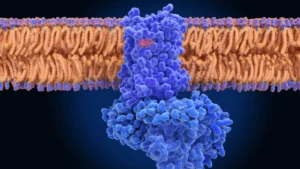
He discusses the importance of cellular repair pathways, such as Non-Homologous End Joining (NHEJ) and homologous recombination. These mechanisms are the body’s primary defense against the double-strand breaks caused by ionizing radiation. By exploring the role of proteins like BRCA1, 53BP1, and CHK1, the course argues that understanding these repair mechanisms is a vital component of survival strategy.
The underlying argument is that in a post-nuclear environment, the resilience of one’s genetic repair mechanisms—supported by nutrition and the reduction of other environmental stressors—may be the deciding factor in long-term health outcomes.
Official Responses and Public Preparedness
Governmental agencies, such as the Federal Emergency Management Agency (FEMA) and the Environmental Protection Agency (EPA), have long maintained guidelines for "shelter-in-place" protocols during the initial 24 to 48 hours of a nuclear event. These protocols are designed primarily to protect against the "prompt" radiation of the blast and the heaviest fallout.
However, critics like Adams argue that these official guidelines often fall short of addressing the "long-tail" risks of internal contamination. Current public health guidance often focuses on evacuation and immediate decontamination, but provides less actionable information regarding the long-term management of food and water safety in the weeks and months following a disaster.
The scientific consensus acknowledges the risks of ingestion, which is why, in the event of a nuclear accident, authorities often issue advisories against consuming local produce or milk from affected regions. Yet, the public often lacks the foundational knowledge to navigate these risks independently.
Implications for Future Survival Strategies
The shift in perspective offered by "UNBREAKABLE" suggests a need for a more comprehensive approach to emergency preparedness. If nuclear disaster is viewed as a persistent environmental contamination event, then survival planning must evolve beyond bunkers and radiation meters.
- Dietary Vigilance: Understanding which foods are more prone to contamination and how isotopes accumulate in the food chain.
- Water Filtration: Moving beyond simple particulate filters to systems capable of addressing dissolved radioactive isotopes.
- Genomic Health: A proactive focus on nutritional strategies that may support cellular repair pathways and overall DNA integrity.
- Long-term Monitoring: The necessity of personal or localized testing for radiation in food and water supplies in the months following an event.
As Adams concludes, the mushroom cloud is merely the beginning of the story. The true challenge lies in the quiet, invisible aftermath—a complex, systemic contamination that demands a sophisticated understanding of biology, chemistry, and environmental science. By looking beyond the flash, individuals can begin to build a framework for resilience that accounts for the reality of long-term survival in an uncertain world.
For those interested in the deep-dive science behind genetic preparedness, cellular repair pathways, and the nutritional strategies discussed in the series, the "UNBREAKABLE" course is available via BrightU. The 13-chapter program provides a comprehensive look at the intersection of environmental stressors and human biological resilience.