











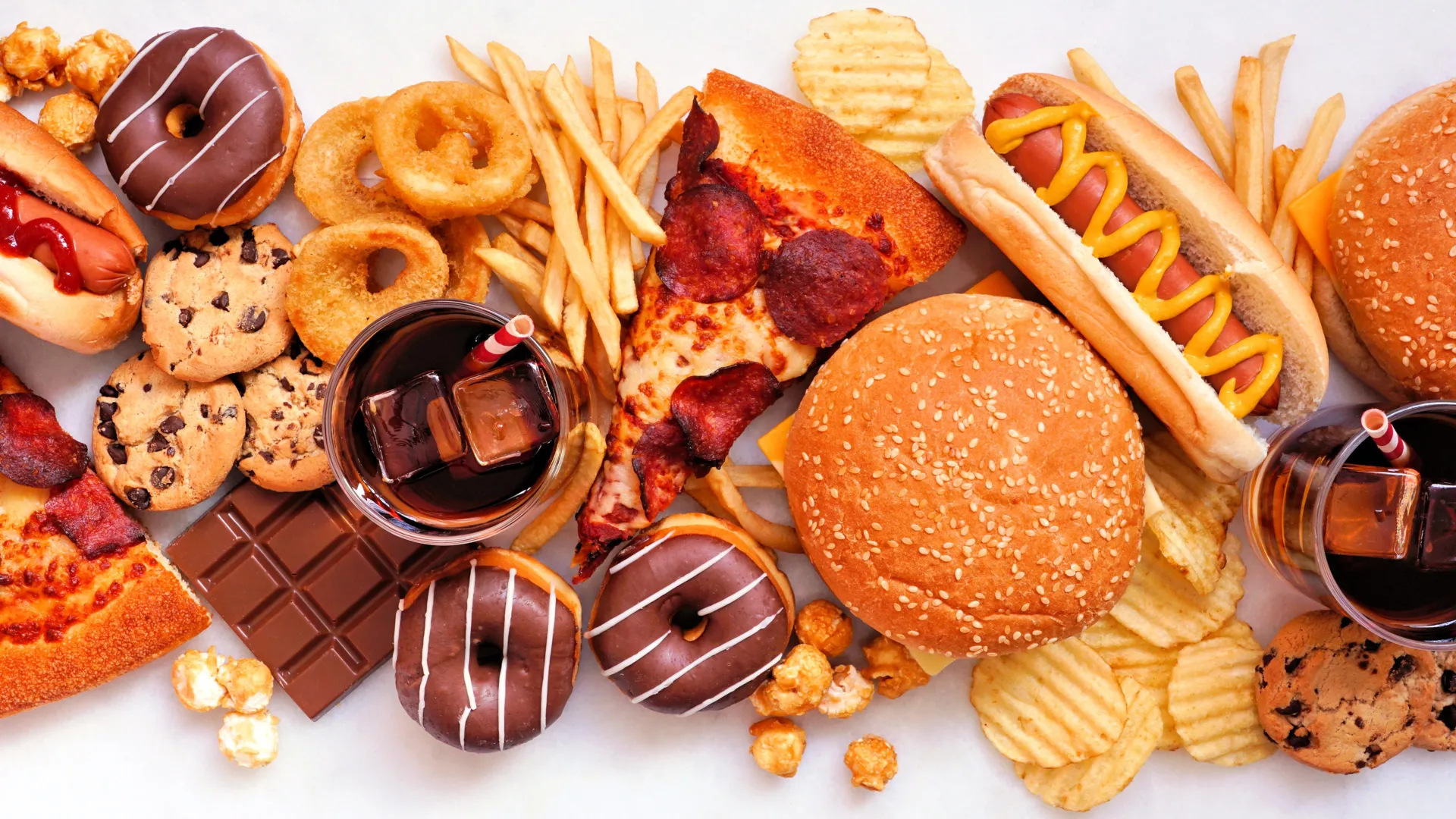
In the modern American diet, the line between nourishment and industrial synthesis has blurred. For millions of adults, the daily caloric intake is dominated not by whole, fresh foods, but by "ultra-processed foods" (UPFs)—a category of products engineered in laboratories to be shelf-stable, hyper-palatable, and convenient. According to recent data, these products now account for nearly 60% of the calories consumed by American adults and a staggering 70% of those consumed by children.
A landmark study from Florida Atlantic University’s (FAU) Charles E. Schmidt College of Medicine has now cast a harsh light on the potential long-term consequences of this dietary shift. Published in The American Journal of Medicine, the research suggests a significant correlation between the consumption of UPFs and the development of prostate cancer—the most frequently diagnosed cancer among men in the United States.
The Anatomy of Ultra-Processed Foods
To understand the gravity of the FAU study, one must first define the enemy. UPFs are defined by the NOVA classification system as industrial formulations often containing five or more ingredients. These include refined fats, oils, sugars, starches, and protein isolates, along with additives such as dyes, stabilizers, and emulsifiers designed to mimic the qualities of fresh food while significantly extending shelf life. Common culprits include carbonated soft drinks, packaged snacks, mass-produced breads, sweetened cereals, and reconstituted meat products.
While these items are designed to be cost-effective and hyper-palatable, they are frequently stripped of the fiber, vitamins, and phytochemicals found in whole foods. Scientists have long hypothesized that the metabolic disruption caused by these products—ranging from systemic inflammation and oxidative stress to adverse changes in the gut microbiome—could be a precursor to oncological diseases. Until now, however, evidence linking these specific food categories to prostate cancer had been sparse.
A Chronology of Discovery: Analyzing Two Decades of Data
The investigation conducted by the FAU team was massive in scale. By analyzing data from 17,024 U.S. men aged 18 and older who participated in the National Health and Nutrition Examination Survey (NHANES) between 2003 and 2023, researchers were able to establish a longitudinal view of the American diet.
The methodology was rigorous. Researchers utilized two 24-hour dietary recalls from each participant, meticulously categorizing their intake into four quartiles of UPF consumption. The lowest quartile consumed less than 20% of their daily calories from UPFs, while the highest quartile consumed more than 44%.
The findings were stark: compared to the lowest consumption group, men in the three higher-intake groups faced a 29% greater risk of developing prostate cancer. Those in the highest consumption tiers exhibited a 30% increased risk. Even after adjusting for significant confounding variables—such as age, race, ethnicity, smoking history, and socioeconomic status—the statistical association remained robust, with the risk of prostate cancer ranging from 24% to 31% higher among those with elevated UPF intake.
Supporting Data: Beyond the Prostate
The FAU study does not exist in a vacuum. It arrives as the latest entry in a growing body of evidence linking ultra-processed diets to a host of chronic illnesses. Previous studies have consistently associated high UPF consumption with the "modern" epidemics: obesity, type 2 diabetes, metabolic syndrome, and cardiovascular disease—specifically heart attacks and strokes.
The biological mechanisms proposed by researchers are multifaceted. The high glycemic index of many UPFs can lead to rapid spikes in insulin and insulin-like growth factor-1 (IGF-1), both of which are known to promote cell proliferation and inhibit apoptosis (programmed cell death) in cancer cells. Furthermore, the additives found in UPFs, such as certain emulsifiers and artificial sweeteners, have been shown in animal models to disrupt the gut barrier, potentially triggering chronic low-grade inflammation. This systemic state of inflammation is a known facilitator for cancer development, creating an environment where mutated cells are more likely to evade the immune system and flourish.
The Tobacco Parallel: A Public Health Reckoning
The authors of the FAU study do not shy away from the sociopolitical implications of their work. They draw a deliberate comparison between the food industry’s current practices and the historical trajectory of the tobacco industry.
For decades, the dangers of smoking were obfuscated by industry-funded research and aggressive marketing. It took half a century of mounting scientific evidence, coupled with tireless advocacy from public health officials, to shift the narrative and implement the policies that eventually curbed smoking rates. The researchers argue that the U.S. food landscape is at a similar, albeit more complex, crossroads.
"The priorities of the food industry can conflict with the needs of the U.S. population," the study authors note. The prevalence and affordability of UPFs make them the path of least resistance for a population that is increasingly time-poor and financially strained. The challenge is no longer just one of individual choice, but of systemic infrastructure.
Official Responses and Clinical Implications
The implications for healthcare providers are profound. Dr. Charles H. Hennekens, the senior author of the study and the First Sir Richard Doll Professor of Medicine at FAU, emphasized that these findings provide a clarion call for more comprehensive research. "These findings add to emerging evidence that UPFs have major adverse health effects and underscore the need for large-scale observational studies and randomized trials to adequately test the hypothesis," Hennekens stated.
However, the transition to a healthier diet is hindered by significant socioeconomic barriers. Dr. Timothy De Ver Dye, a co-author of the study and professor of population health, pointed out the systemic nature of the problem: "Reducing consumption of UPFs is a complex public health challenge, particularly given how prevalent and accessible these products are. Healthcare providers should recognize that many patients face barriers to accessing and affording healthier food options."
For clinicians, the advice is becoming increasingly standardized: encourage patients to adopt healthy lifestyle practices, move toward whole-food-based diets, and minimize the intake of industrial formulations. However, the researchers emphasize that individual behavioral change must be supported by policy—such as food labeling reforms, subsidies for fresh produce, and tighter regulations on the additives permitted in the food supply.
The Global Burden of Prostate Cancer
The urgency of this research is underscored by the current statistics regarding prostate cancer. According to the American Cancer Society, the disease remains a leading cause of mortality among men. Projections suggest that in 2026, over 333,000 American men will receive a prostate cancer diagnosis, with more than 36,000 fatalities expected.
On a global scale, the numbers are even more sobering. The International Agency for Research on Cancer reported that in 2022, nearly 1.5 million men were diagnosed with the disease worldwide, with nearly 400,000 deaths occurring in that single year. As global diets continue to "Westernize" and adopt higher levels of ultra-processed convenience foods, these numbers may only continue to rise.
Conclusion: A Path Forward
The study from Florida Atlantic University serves as a critical diagnostic tool for the American diet. It provides quantitative evidence for what many nutritionists have long suspected: that the industrialization of our food supply is inextricably linked to the chronic diseases that plague our society.
As the scientific community continues to untangle the complex relationship between food additives, ultra-processing, and cancer, the message for the public remains clear. Reducing reliance on ultra-processed foods is not merely a matter of weight management or energy levels—it is a vital component of long-term cancer prevention.
Moving forward, the focus must shift from placing the burden of health entirely on the consumer to creating an environment where nutritious, minimally processed food is the default choice rather than a luxury. Through a combination of rigorous scientific inquiry, clinical vigilance, and meaningful public health policy, the hope is that we can navigate away from the current trajectory and toward a future where the American diet sustains, rather than threatens, the longevity of the population.