










In the landscape of modern medicine, we have long treated the heart, the kidneys, and the metabolic system as distinct entities, each managed by separate specialists and monitored through isolated diagnostic benchmarks. However, a revolutionary shift in clinical understanding is currently underway, one that acknowledges the body as an integrated ecosystem rather than a collection of independent parts. This paradigm shift is centered on a recently defined condition: Cardiovascular-Kidney-Metabolic (CKM) syndrome.
Despite the fact that nearly 90% of U.S. adults are currently living with at least one risk factor associated with this syndrome, a new survey from the American Heart Association (AHA) reveals a startling reality: the vast majority of the public has never even heard the term. As health organizations race to raise awareness, the medical community is preparing for a future where CKM syndrome serves as the primary lens through which chronic disease is diagnosed, treated, and—crucially—prevented.
The Anatomy of a Hidden Crisis: What is CKM Syndrome?
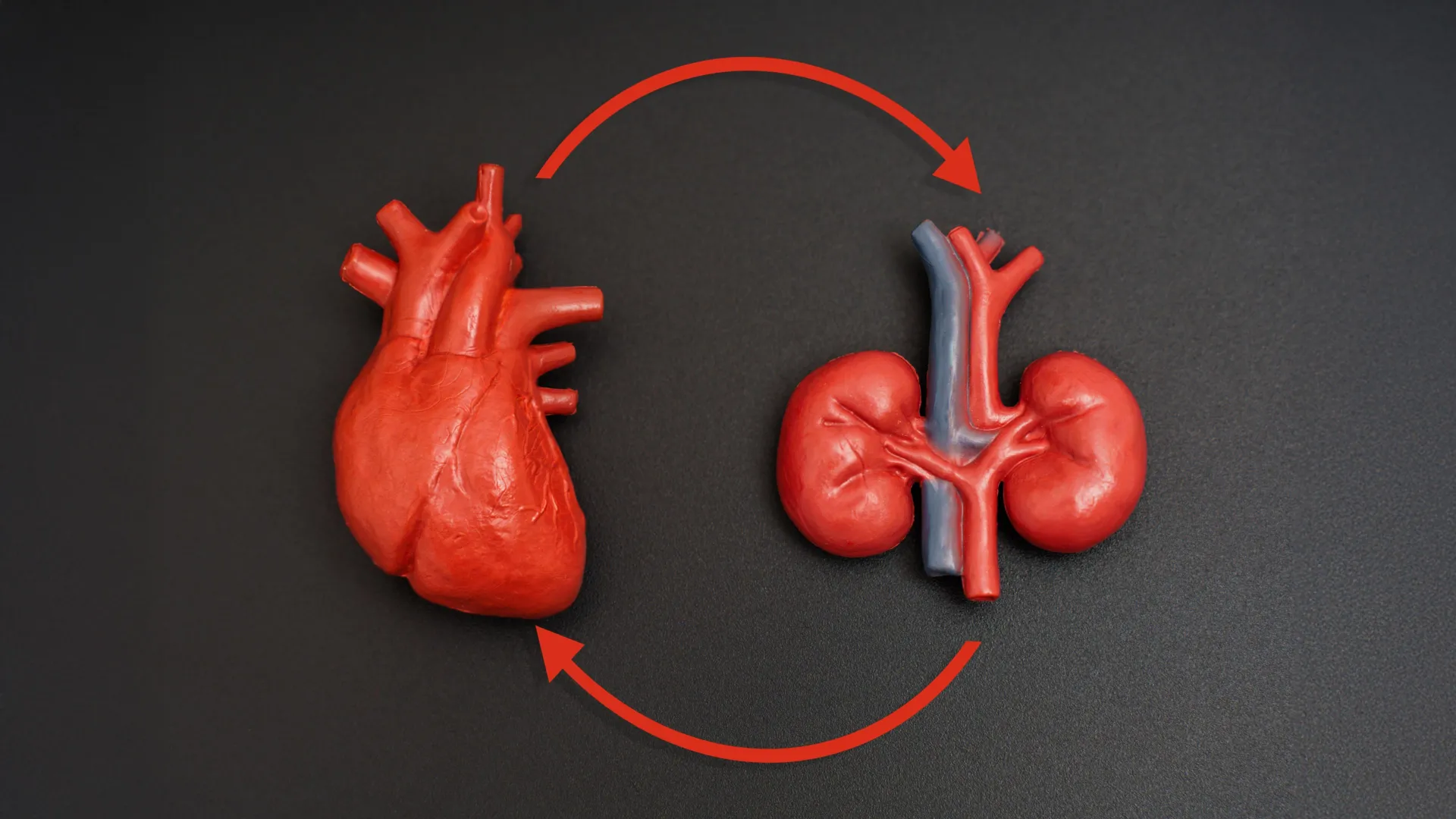
At its core, CKM syndrome is an umbrella condition that bridges the gap between heart disease, kidney disease, diabetes, and obesity. Rather than viewing these as separate illnesses, medical professionals now recognize them as interconnected manifestations of a single, systemic dysfunction.
The "syndrome" aspect of CKM refers to the dangerous synergy that occurs when these health markers deviate from the norm. When an individual suffers from high blood pressure, abnormal cholesterol, elevated blood glucose, excess adipose tissue, and declining kidney function simultaneously, the cumulative risk of heart attack, stroke, and heart failure is not merely additive—it is exponential. Each condition acts as a catalyst for the others, creating a physiological feedback loop that accelerates damage across multiple organ systems.
For example, metabolic distress, often signaled by insulin resistance or obesity, forces the heart to work harder while simultaneously placing significant stress on the kidneys, which must filter excess waste and manage fluid balance. Over time, this "harmful cycle" degrades the efficiency of these systems, leading to a state of chronic illness that is far more difficult to treat in its late stages than when it is addressed early.
Chronology: Defining a New Standard of Care
The recognition of CKM syndrome is not merely a theoretical exercise; it is the culmination of decades of observational data showing that these chronic conditions rarely exist in isolation.
- The Conceptual Shift (Pre-2023): For years, cardiologists, nephrologists, and endocrinologists operated within silos. While the correlation between diabetes and heart disease was well-documented, the clinical infrastructure for "integrated care" remained underdeveloped.
- Defining the Syndrome (2023-2024): The American Heart Association began formalizing the definition of CKM syndrome, establishing a standardized framework that allows clinicians to assess a patient’s total risk profile rather than looking at individual symptoms in a vacuum.
- Public Awareness Baseline (August 2025): The AHA commissioned The Harris Poll to gauge public understanding of this newly defined condition. The results, published in late 2025, confirmed that while awareness is currently low, there is a massive latent demand for education.
- The Path Ahead (2026 and Beyond): The medical community is currently preparing for a landmark event in early 2026, when the American Heart Association plans to release the first-ever formal clinical guidelines for the diagnosis and management of CKM syndrome. This document is expected to fundamentally change how primary care physicians approach preventative medicine.
Supporting Data: The Scale of the Challenge
The data provided by the 2025 Harris Poll, which surveyed over 4,000 U.S. adults, offers a clear picture of both the prevalence of risk and the gap in public knowledge.
The most sobering statistic is the 90% figure: nearly nine out of every ten American adults possess at least one risk factor linked to CKM syndrome. These include common but often undertreated markers:
- Hypertension (High Blood Pressure): The silent driver of vascular damage.
- Dyslipidemia (Abnormal Cholesterol): Leading to arterial plaque buildup.
- Hyperglycemia (High Blood Sugar): A hallmark of metabolic dysfunction and diabetes risk.
- Adiposity-based issues: Excess weight that contributes to systemic inflammation.
- Reduced Glomerular Filtration Rate: Early indicators of kidney strain.
The survey found that while most respondents were unaware of the term "CKM syndrome," once the connection between the heart, kidneys, and metabolism was explained to them, roughly 75% of participants immediately grasped the importance of the concept and expressed a desire to learn more. This suggests that the barrier to better health outcomes is not a lack of concern, but a lack of accessible information and a clear framework for action.
Official Perspectives: Dr. Eduardo Sanchez and the AHA Vision
Dr. Eduardo Sanchez, M.D., FAHA, the American Heart Association’s chief medical officer for prevention, has been a leading voice in the effort to demystify CKM syndrome. For Dr. Sanchez, the goal is to shift the medical community away from "symptom management" and toward "integrated wellness."
"We want people to know that it’s really common to have heart, kidney and metabolic risk factors at the same time," Dr. Sanchez noted in a recent briefing. "It is reassuring that once the CKM connection was defined, nearly three-quarters of those responding understood that it was important and wanted to learn more."
The core of the AHA’s strategy is the implementation of "collaborative care." Under the current medical system, a patient might see an endocrinologist for their diabetes and a cardiologist for their hypertension, with neither doctor having a comprehensive view of how the patient’s kidney function is impacting their cardiovascular health. Dr. Sanchez emphasizes that "the heart, kidney and metabolic systems are connected and, as such, should be treated in a coordinated way."
By treating the body as a full circle, the AHA believes that healthcare providers can catch the subtle signs of CKM syndrome long before they progress into catastrophic cardiac or renal events.
Implications for Public Health and Personal Wellness
The shift toward a CKM-focused approach to health has profound implications for how individuals interact with the healthcare system.
Reversibility and Early Intervention
Perhaps the most optimistic takeaway from the current clinical research is that CKM syndrome is not an inevitable death sentence. In its early stages, CKM syndrome is often reversible. By modifying eating habits, increasing physical activity, and utilizing appropriate medical treatments to manage blood pressure and glucose levels, many individuals can break the "harmful cycle" before permanent organ damage occurs.
The Role of the CKM Health Initiative
To facilitate this change, the American Heart Association has launched the CKM Health Initiative. This program provides an online resource hub designed to help both patients and professionals understand the linkages between these systems. The initiative provides educational videos and "truth" sheets that strip away medical jargon, encouraging patients to monitor the "full circle" of their health: blood pressure, cholesterol, weight, blood sugar, and kidney function.
A New Standard for Healthcare Professionals
For medical providers, the challenge is institutional. The upcoming 2026 clinical guidelines will provide the necessary roadmap for interdisciplinary care, ensuring that primary care doctors have the tools to screen for CKM syndrome effectively. The goal is to move toward a model where every medical visit is an opportunity to check the status of the entire CKM system, rather than just the presenting symptom.
Conclusion: A New Frontier in Preventive Medicine
The emergence of CKM syndrome as a clinical entity represents a maturing of medical science. We are moving past the era of specialized isolation and into an era of systems-based medicine. While the name "Cardiovascular-Kidney-Metabolic syndrome" may be new to the public, the issues it describes are the most pressing health challenges of our time.
By identifying the connections between our vital organs and our metabolic health, we empower ourselves to take proactive steps. The message from the American Heart Association is clear: your heart, your kidneys, and your metabolism are in a constant, lifelong conversation. If you ensure that the dialogue between these systems is healthy, you are not just preventing one disease—you are protecting your entire life.
For those interested in learning more or for healthcare professionals looking to join the CKM Health Initiative, resources are available at heart.org/CKMtools. As we look toward 2026 and the release of the new clinical guidelines, the message remains the same: knowledge is the first step in breaking the cycle of chronic illness.
Research Methodology Note
The survey referenced in this article was conducted online in the United States by The Harris Poll on behalf of the American Heart Association among 4,007 U.S. adults aged 18+. Fieldwork was conducted from August 6 to August 22, 2025. The data were weighted to reflect population proportions across education, age, gender, race/ethnicity, region, and socioeconomic status. Results are accurate within ± 2.0 percentage points at a 95% confidence level. The initiative is supported by a coalition of organizations, including founding sponsors Novo Nordisk and Boehringer Ingelheim, alongside Novartis Pharmaceuticals, Bayer, and DaVita.