






Introduction: The "Beard Factor" in Sleep Medicine
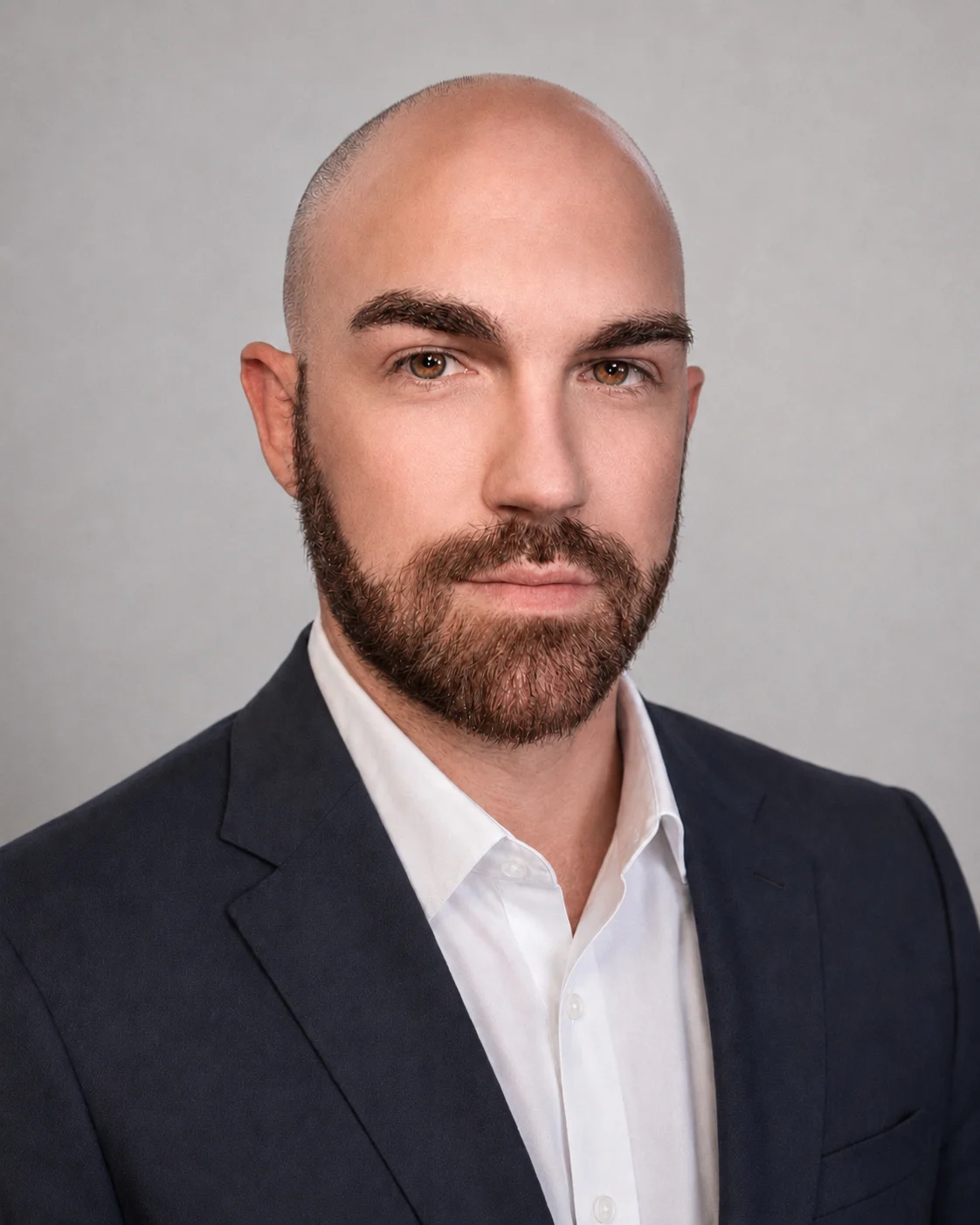
When a patient with a full, well-groomed beard walks into a sleep clinic for a CPAP fitting, there is an almost universal, silent pause shared between the clinician and the patient. It is a moment of professional apprehension, a recognition that the standard protocol for positive airway pressure (PAP) therapy is about to face its most persistent adversary.
Facial hair remains one of the most formidable challenges in the world of sleep medicine. According to a 2026 Peer Pulse survey conducted by Sleep Review, 41% of sleep professionals identified patients with facial hair as the most difficult population to fit successfully—far outpacing concerns like high-pressure requirements or craniofacial abnormalities. Yet, as the industry evolves, experts like Tyler Decker are arguing that the beard is being unfairly scapegoated. The central premise is shifting: facial hair is not a verdict on therapy viability; it is simply a variable in the geometry of the seal.
The Chronology of a Fitting: From Assumption to Adjustment
The typical fitting process often follows a flawed trajectory: the clinician picks a popular, "high-success" mask, places it on the patient, and when a leak inevitably occurs, they blame the facial hair. This creates a psychological barrier where the patient feels their personal style is an obstacle to their health.
1. Initial Assessment
Effective fitting begins before the mask ever touches the face. Clinicians must distinguish between types of facial hair. A handlebar mustache creates a different "leak path" than a heavy, coarse beard or a neatly trimmed goatee. The goal is to map the patient’s anatomy—specifically where the skin meets the hair—rather than applying a "one-size-fits-all" mask.
2. The Pressure Test
Fitting a mask while a patient is sitting upright, motionless, and breathing normally is a recipe for failure. As noted by the American Thoracic Society, a trial under pressurized conditions is essential. A mask that seals perfectly while the patient is upright may fail instantly once they lie down, relax their jaw, or turn their head into a pillow. Real-world testing must simulate the actual sleep environment.
3. The "Tightening Trap"
A common mistake in the fitting chronology is the urge to over-tighten straps to compensate for leaks. This is a counterproductive cycle. Excessive tension leads to pressure sores, skin irritation, and—ironically—a worsened seal as the cushion loses its ability to contour to the face. If a mask requires painful levels of tension to stop a leak, the mask is fundamentally the wrong choice for that specific face.
Supporting Data: What the Research Says
The scientific community is finally beginning to quantify the impact of facial hair on respiratory equipment, though much of the data remains cross-disciplinary.
- The 2025 Systematic Review: A landmark study published in Aerospace Medicine and Human Performance analyzed 21 studies regarding respiratory masks. It confirmed that facial hair significantly degrades sealing performance based on density, length, and the specific interface design.
- The 2026 Peer Pulse Survey: Data indicates that 78% of sleep clinicians are actively calling for manufacturers to develop specialized solutions for bearded patients. This highlights a massive market gap and a clear frustration among those on the front lines of patient care.
- The "Leak" Variable: Research published in CHEST emphasizes that unintentional leakage is the primary cause of therapy abandonment. However, the data suggests that while hair contributes to leaks, improper mask selection—specifically failing to account for geometry—is a significant, preventable contributor.
Professional Perspectives: Changing the Geometry
The consensus among leading sleep technologists is that we must stop asking patients to choose between their facial hair and their health. Instead, we must change the "geometry" of the seal.
Moving Beyond the Full-Face Default
If a patient can comfortably breathe through their nose, a nasal interface is often the superior starting point. Nasal pillows or minimal-contact nasal masks often bypass the beard entirely. By keeping the sealing surface away from the cheeks and jaw, the clinician eliminates the "beard problem" without requiring the patient to shave.

The Art of the Swap
Clinicians must learn to abandon their emotional attachment to specific mask brands. If a particular cushion shape consistently fails where it crosses a dense beard, it is not a sign of failure—it is a diagnostic signal. The solution is to switch to an interface with a different geometry, one that perhaps sits beneath the nose rather than around it, or one with a softer, more adaptive cushion material that can "nest" into the hair.
The "Dry Face" Protocol
A best practice emerging in clinics is the "clean, dry face" policy. Patients are encouraged to refrain from using oils, balms, or heavy conditioners in the area where the mask will seal. These products degrade silicone cushions and create a slippery surface that exacerbates leaks. By ensuring a neutral base, the clinician can accurately determine if the leak is caused by the hair’s structure or the mask’s design.
Implications for the Future of Sleep Medicine
The implications of this shift in fitting philosophy are profound. If clinicians stop blaming the beard and start mastering the anatomy of the face, we can expect higher compliance rates, lower therapy abandonment, and better patient outcomes.
The Rise of Personalization
The future of CPAP technology is clearly moving toward customization. With Health Canada already listing custom-fit, 3D-printed CPAP masks as Class II devices, the era of the "standardized" interface is fading. 3D scanning allows for a mask that contours specifically to a patient’s unique facial structure and beard density, creating a perfect, custom seal that was previously impossible.
Rethinking "Success"
There is a need to redefine what a "successful" fit looks like. Currently, too much weight is placed on the "leak graph." While an air-tight seal is ideal, it should not be the only metric. If a patient is comfortable, if they are sleeping through the night, and if their apnea-hypopnea index (AHI) is within the therapeutic range, then a minor, non-clinical leak that does not wake the patient or their partner should not be viewed as a failure.
The Patient-Centered Approach
The most significant implication is the preservation of patient autonomy. Requiring a patient to shave their beard to receive life-saving therapy is a form of medical coercion that damages the clinician-patient relationship. By adapting the equipment to the patient—rather than asking the patient to "redesign their face" for the equipment—clinicians build trust. When a patient feels heard, they are far more likely to adhere to their treatment plan.
Conclusion: The Beard Stays, The Therapy Succeeds
The dialogue around CPAP and facial hair has evolved significantly over the last decade. We have moved from a dismissive "shave it or fail" attitude to a more nuanced understanding of mask geometry and patient-specific interfaces.
While manufacturers continue to work on materials that are more forgiving to hair, the onus remains on the sleep professional to be an artist of the fitting process. By utilizing trial-and-error under pressure, selecting interfaces that work with—rather than against—facial hair, and prioritizing patient comfort over perfect data points, we can ensure that every patient receives the treatment they need.
The beard is not an obstacle; it is simply part of the patient. When we approach the fitting process with this mindset, we stop fighting the patient and start fighting the apnea. The beard can stay, the equipment can be adapted, and—most importantly—the therapy can succeed.
References
- Roy S. The CPAP mask feature with greatest positive impact. Sleep Review. 2026 Jul 9.
- Connolly D, Sheppard-Hickey R, Powell D, Lupa H. Sealing properties of close-fitting masks worn over facial hair. Aerospace Medicine and Human Performance. 2025 Dec;96(12):1069-78.
- Genta PR, Kaminska M, Edwards BA, et al. The importance of mask selection on continuous positive airway pressure outcomes for obstructive sleep apnea. An official American Thoracic Society workshop report. Annals of the American Thoracic Society. 2020 Oct;17(10):1177-85.
- Medical Devices Active Licence Listing. Health Canada. Licence No. 115158: FormFit custom-fit CPAP mask. Device class 2. 2026 Apr 7.
- Lebret M, Martinot JB, Arnol N, et al. Factors contributing to unintentional leak during CPAP treatment: A systematic review. CHEST. 2017 Mar;151(3):707-19.