



13 August, 2026
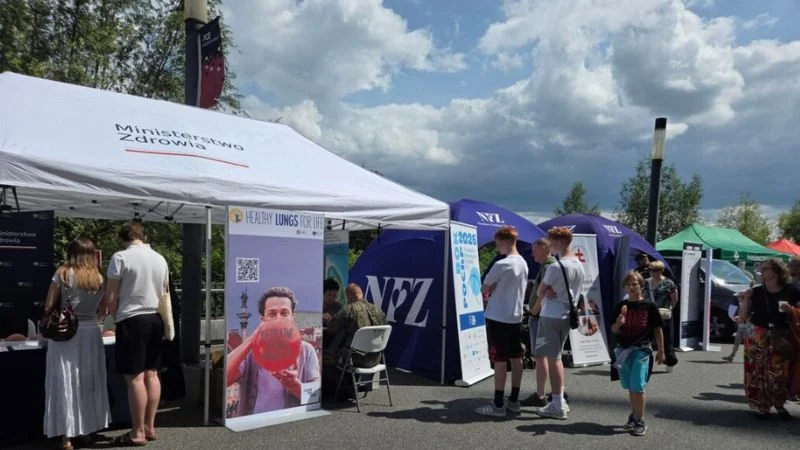
In a significant push to combat the rising tide of respiratory illness in Central Europe, the "Healthy Lungs for Life" campaign descended upon Warsaw’s iconic PGE Narodowy stadium this week. As thousands of citizens gathered for a major family health event, over 100 participants took advantage of free, on-site spirometry screenings—a vital, yet often underutilized, tool in the early diagnosis of chronic respiratory conditions.
This initiative, hosted within the National Health Fund’s "Health Zone," represents more than just a public health pop-up; it serves as a critical junction between community awareness, preventative medical practice, and a burgeoning movement for cleaner air policies in Poland.
The Scale of the Challenge: Respiratory Health in Poland
To understand the urgency of the Healthy Lungs for Life campaign, one must first look at the stark data facing the Polish healthcare system. Respiratory conditions have become a silent, pervasive crisis, impacting the lives of more than 6.1 million people across the country.
The economic and human toll is staggering. Each year, lung-related diseases are responsible for over 140,000 deaths in Poland. Beyond the human suffering, the financial burden on the state is immense, with the Polish economy losing approximately €51 billion annually due to healthcare costs, loss of productivity, and premature mortality associated with lung health.
Chronic Obstructive Pulmonary Disease (COPD) and asthma remain the primary drivers of these statistics. Air pollution, a persistent issue in many Polish urban centers, acts as a major catalyst, exacerbating existing conditions and seeding new cases of respiratory failure. By bringing testing directly to the public, organizers hope to shift the focus from reactive, emergency-based care to a proactive, early-detection model.
Chronology of the Event: A Day of Awareness at PGE Narodowy
The event held on 13 August was a multifaceted operation involving coordination between national medical societies, government health agencies, and patient advocacy groups.
Morning: Setting the Stage
By early morning, the National Health Fund Health Zone at PGE Narodowy was teeming with activity. The target demographic was broad—ranging from families and young parents to members of the uniformed services and veteran voluntary blood donors. The atmosphere was designed to be welcoming, stripping away the "white coat" anxiety often associated with medical screenings.
Mid-Day: The Spirometry Experience
For many attendees, the spirometry test was a novel experience. Spirometry, a simple, non-invasive test that measures the amount and speed of air a person can inhale and exhale, is the gold standard for diagnosing obstructive lung conditions. Despite its simplicity, it is significantly under-prescribed. As queues formed, medical professionals from the Polish Respiratory Society provided not just the test, but also education on how to interpret the results and what "healthy lungs" look like in practice.
Afternoon: Education and Policy Advocacy
As the testing continued, the event transitioned into an educational forum. Visitors engaged with experts on the link between environmental factors—specifically air quality—and lung function. This was not merely an educational exercise; it was a call to action, aimed at demonstrating that community engagement is the primary engine for building the public support necessary to lobby for national policy changes.
Evening: Triage and Follow-up
As the event concluded, the data provided a clear picture of the need for such outreach. While the majority of participants received a clean bill of health, providing them with necessary reassurance, a notable subset of the group received results that suggested underlying issues. These individuals were provided with clear, actionable advice on how to seek follow-up assessments with specialists, highlighting the campaign’s role as a bridge to the formal healthcare system.
Supporting Data: Why Early Detection Matters
The Healthy Lungs for Life campaign is anchored in the belief that "prevention is better than a cure." This is particularly true for COPD, which is often diagnosed only after significant, irreversible lung damage has already occurred.
The 2026 Year of COPD
This event served as a high-profile platform for the "2026 Year of COPD," an initiative established by the Polish Healthy Lung Coalition. Under the patronage of Monika Wielichowska, Deputy Marshal of the Polish Parliament, and the Polish Ministry of Health, the campaign aims to dismantle the stigma and lack of knowledge surrounding the disease.
The data backing this focus is clear:
- Early Intervention: Identifying airway obstruction early allows for lifestyle adjustments and medical interventions that can slow the progression of diseases like COPD.
- The Pollution Factor: Research presented at the event confirmed that reducing exposure to air pollution is the single most effective "simple action" the general public can take to protect lung health across the lifespan.
- Economic ROI: Every euro spent on early screening reduces the future burden on hospital systems, which are currently stretched thin by advanced-stage respiratory patients requiring intensive care.
Official Responses and Collaborative Leadership
The success of the Warsaw event was the result of a rigorous partnership between several key institutions, each bringing a specific expertise to the campaign.
The Organizing Coalition
The project was delivered through the collaborative efforts of:
- The Polish Healthy Lung Coalition (Polska Koalicja ZDROWE PŁUCA): The primary organizers who provided the strategic vision.
- The Polish Respiratory Society (Polskie Towarzystwo Chorób Płuc): The clinical experts responsible for the medical accuracy of the screenings.
- The National Tuberculosis and Lung Diseases Research Institute: Provided the scientific framework for the event.
- The Polish Federation of Asthma, Allergy and COPD Patient Associations: Offered the patient-centered perspective and peer-to-peer support.
In an official joint statement, the organizers emphasized the gravity of the mission: "Early diagnosis can make a real difference for people living with COPD and other lung conditions. Simple tests like spirometry can help identify problems before they become more serious. By moving these tests out of the clinic and into the public square, we are making lung health a societal priority rather than an isolated medical concern."
Support from the Clean Air Fund was also pivotal, underscoring the connection between public health advocacy and environmental activism. By highlighting the health risks of air pollution, the event successfully linked personal health outcomes to the broader need for legislative action on air quality standards.
Implications: A Model for Future Policy
The implications of the Healthy Lungs for Life campaign extend far beyond the borders of Poland. As European nations struggle with the escalating costs of chronic disease, this event offers a blueprint for how to handle public health communication.
The Power of "Non-Clinical" Settings
By hosting screenings at a sports stadium, the organizers reached individuals who might never have sought out a lung check-up in a traditional doctor’s office. This "proactive accessibility" is a key component of modern preventive medicine.
Building Political Will
When a large cross-section of the public—from blood donors to families—is educated on the direct link between the air they breathe and their lung function, they become a constituency for change. The event demonstrated that when people understand the stakes, they are more likely to support policies that restrict industrial emissions, promote clean energy, and enhance urban air quality.
Scaling the Impact
The success in Warsaw is not intended to be a one-off. It is part of a larger, continental effort. With the upcoming EU Screening Week (28 September – 4 October 2026), the organizers are encouraging other nations to replicate this model. The objective is to put respiratory health firmly on the EU screening map, ensuring that the progress made in Poland serves as a catalyst for a wider European movement.
Looking Ahead
The 13 August event at PGE Narodowy proved that the public is hungry for accessible health information. As the 2026 Year of COPD continues, the focus will shift toward translating this public awareness into clinical practice. For the 6.1 million Poles living with respiratory conditions, the goal is simple: ensure that the next time they face a health challenge, it is caught in the early stages, while the lungs are still strong, and the path to health is still clear.
For those interested in participating in the broader movement, resources are available to help local health advocates organize their own testing events. By turning awareness into action, the Healthy Lungs for Life campaign is not just checking lungs—it is helping to breathe new life into public health policy.