











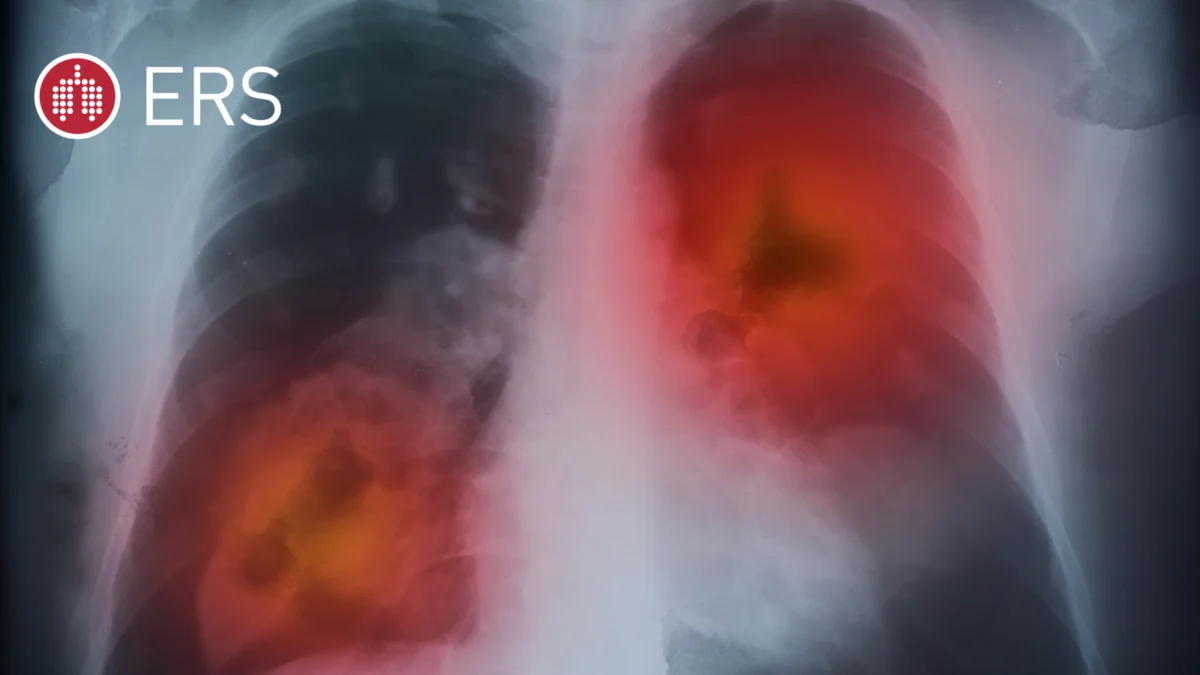
BARCELONA, Spain — September 4, 2026 — As global concern regarding plastic pollution intensifies, a groundbreaking study presented at the European Respiratory Society (ERS) Congress in Barcelona has provided alarming new insights into the interaction between synthetic materials and human physiology. Researchers have identified a significant correlation between the presence of microplastics in human lung tissue and a diagnosis of lung cancer, suggesting that the air we breathe may be transporting invisible, synthetic contaminants deep into our respiratory systems.
The Core Findings: A Synthetic Burden
The study, led by Dr. Ilias Dimeas of the University College Dublin School of Medicine and the University of Thessaly in Greece, examined 100 patients undergoing bronchoscopy for various respiratory symptoms. The findings were stark: 70% of all participants possessed detectable microplastics within their lungs. Crucially, those diagnosed with lung cancer exhibited both a higher frequency of plastic particles and a greater total "microplastic burden" than their counterparts without the disease.
The research identified common polymers—specifically polypropylene and polyethylene—as the primary culprits. These materials are ubiquitous in modern life, serving as the backbone of food packaging, textiles, and consumer electronics. Their presence in human lung tissue highlights a growing environmental crisis that is no longer limited to oceans and wildlife, but has now breached the final frontier of human biology: the respiratory tract.
Chronology of the Investigation
The journey to this discovery began at the University Hospital of Larissa in Greece, where researchers sought to understand the "background levels" of plastic exposure in the general population.
- Patient Selection and Procedure: The study enrolled 100 patients scheduled for bronchoscopy. To ensure a rigorous data set, doctors utilized a "lung-wash" technique (bronchoalveolar lavage), where saline solution is flushed into a section of the lung and subsequently collected. This procedure allows for the retrieval of cellular material and foreign particles from the airspaces. In 50% of the cases, doctors also performed biopsies, taking physical tissue samples from the lung wall.
- Laboratory Analysis: Each sample underwent meticulous chemical analysis to identify the presence and type of microplastics.
- Diagnosis Stratification: Following the collection, patients were divided into two equal groups: 50 with confirmed lung cancer and 50 without.
- Correlation Mapping: Statistical analysis revealed a clear discrepancy. Patients with lung cancer were significantly more likely to harbor microplastics in their wash samples (66% versus 46%) and displayed a higher overall concentration of particles.
- Distribution Discovery: A unique observation occurred when researchers compared wash samples (airspaces) with tissue samples (embedded in the lung wall). An inverse relationship was noted: patients with high concentrations in the wash often had lower levels in the tissue, and vice versa. This indicates that microplastics do not distribute uniformly, suggesting that specific regions of the lung may act as "sinks" for these pollutants.
Supporting Data: Understanding the Plastic Influx
The study’s findings are underscored by the sheer volume of particles retrieved. Researchers identified a total of 232 microplastic particles across the cohort. The prevalence of polypropylene and polyethylene confirms that our internal environment is becoming a mirror of our external waste management issues.
Why the Disparity?
The researchers emphasize a critical scientific nuance: correlation does not necessarily equate to causation. While the study found that cancer patients carried a higher burden of plastic, it is not yet clear if the plastics caused the cancer or if the physical changes associated with lung tumors—such as impaired lung clearance mechanisms—cause these patients to retain more inhaled particles.
Dr. Dimeas notes, "Microplastics could contribute to inflammation or other biological processes that may trigger or accelerate disease. Conversely, it is entirely plausible that diseased lungs have a diminished ability to purge these foreign bodies, leading to a higher accumulation over time."
Official Responses and Scientific Context
The global medical community has received these findings with both professional caution and significant alarm.
The Perspective of Dr. Ilias Dimeas
Dr. Dimeas remains focused on the "invisible" nature of the problem. "Microplastics have become an unavoidable part of our environment," he stated during the press briefing in Barcelona. "We don’t yet know what the background levels are, how much they vary from person to person, or the long-term toxicological impact. If we are breathing these particles in every day, we have an urgent duty to understand where they settle and how they interact with our biological systems."
Insights from the European Respiratory Society
Professor Barbara Hoffmann, Chair of the ERS Advocacy Council at the University of Düsseldorf, underscored the severity of the findings, placing them within the context of the global cancer burden.
"Lung cancer is the most common type of cancer worldwide, accounting for approximately 2.5 million cases and 1.8 million deaths annually," Professor Hoffmann said. "While tobacco and ambient air pollution remain the primary drivers, this research adds a concerning new variable. We are seeing that these tiny pieces of plastic are infiltrating the body. It is no longer a question of whether they enter the lungs, but what they do once they are there."
Professor Hoffmann used the opportunity to reiterate the ERS’s firm stance on environmental health. "We advocate for the fundamental human right to breathe clean air—air that is not polluted with microscopic plastic debris. This study acts as a clarion call for policy makers to address the systemic issue of plastic pollution as a public health priority."
Implications for Future Research
The Barcelona presentation is merely the starting point for a new field of respiratory toxicology. The implications of this study are far-reaching and necessitate a multi-pronged research approach:
1. Mechanisms of Toxicity
Laboratory experiments are already underway to determine how lung cells react to polypropylene and polyethylene at a molecular level. Researchers are investigating whether these particles induce oxidative stress, DNA damage, or chronic inflammation, all of which are precursors to malignant transformation.
2. Beyond Cancer: Chronic Lung Disease
Dr. Dimeas and his team have expanded their scope to analyze patients with chronic respiratory conditions, such as pulmonary fibrosis and COPD. There is a growing hypothesis that the physical presence of microplastics could exacerbate lung scarring (fibrosis) or worsen the progression of inflammatory lung diseases.
3. Regulatory and Public Health Policy
If these findings are validated by larger, longitudinal studies, the pressure on governments to regulate microplastic emissions will be immense. This could lead to stricter controls on industrial emissions, the phasing out of specific synthetic materials in consumer goods, and the implementation of advanced air filtration standards in both public and private buildings.
4. The "Invisible" Pollution Crisis
The study also highlights a major gap in medical diagnostic standards. Currently, there is no standardized protocol for detecting microplastics in patient samples. This research paves the way for new diagnostic tools that could identify environmental pollutants as potential contributors to respiratory illness, allowing for more comprehensive patient assessments.
Conclusion: A Call for Clean Air
As the ERS Congress continues, the findings presented by Dr. Dimeas serve as a sobering reminder of the interconnectedness of planetary and human health. The transition from environmental pollution to human cellular pathology is no longer a theoretical concern—it is an observable reality.
The evidence is mounting: the modern, plastic-centric lifestyle is leaving a physical, lasting footprint inside our lungs. While the research is in its infancy, the urgency is clear. As scientists delve deeper into the biological impact of these particles, the focus must remain on the fundamental, undeniable human right to clean, unadulterated air. The era of ignoring the "micro-plasticization" of the human body has come to an end.