









In the pursuit of a muscular, aesthetic physique, the gym is often viewed as a battlefield. The culture of "lifting heavy" has been romanticized by social media, where highlight reels of one-rep maxes and gravity-defying lifts dominate the algorithm. However, beneath the veneer of massive PRs (personal records) lies a common, often career-ending pitfall: the ego-driven obsession with load over mechanics.
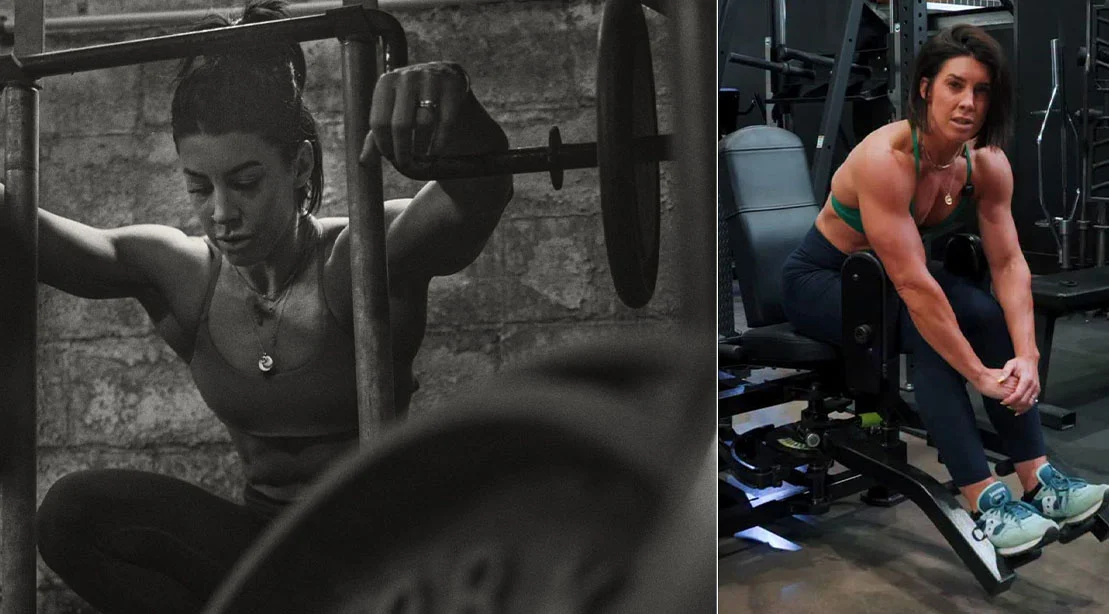
According to former Olympia Women’s Physique Champion Dana Linn Bailey, the secret to hypertrophy isn’t just how much weight you can move, but how you move it. For the millions who follow her journey, Bailey has become a voice of reason in an industry prone to recklessness. Her core message is simple yet frequently ignored: if your range of motion (ROM) is compromised, you aren’t building muscle—you are simply inviting injury.
The Physiology of Failure: Why Muscles Outpace Tendons
To understand why heavy loads can be counterproductive, one must look at the biological hierarchy of the musculoskeletal system. Muscles are highly vascularized tissues; they are designed to adapt, tear, and repair relatively quickly in response to progressive overload. Tendons and ligaments, however, lack the same level of blood flow and possess a much lower metabolic rate.
When an athlete adds weight to the bar too aggressively, the muscles may be strong enough to force the weight through a partial range of motion, but the connective tissues—which stabilize the joints—are often left behind. This disparity creates a dangerous bottleneck. Tendonitis, sprains, and catastrophic tears are the body’s way of signaling that the structural integrity of the joint has been bypassed. When an injury occurs, training capacity drops to zero, effectively reversing months, or even years, of progress.
Identifying the Telltale Signs of "Ego Lifting"
Dana Linn Bailey’s methodology is rooted in consistency. She argues that every repetition should be a carbon copy of the last. When the mechanics of a movement begin to deviate as the weight increases, the athlete has crossed the threshold into unproductive territory. Here is how to audit your own training across the most fundamental movements.
The Squat: Depth is Non-Negotiable
The squat is the king of lower-body exercises, but it is also the most frequently butchered. Bailey notes a common phenomenon: an athlete can hit perfect, deep squats with light weight, but as the plates pile on, the squat depth mysteriously rises. "You didn’t suddenly lose your mobility," Bailey explains. "The load simply exceeded your strength for that full range." If your squat depth changes as the weight increases, you are no longer training the intended muscle groups; you are merely moving a weight from point A to point B.
The Bench Press: The Contact Rule
There is a pervasive myth that bouncing the bar off the chest provides a "stretch reflex" that aids in building mass. In reality, failing to make contact with the chest is a red flag. If you cannot touch the bar to your chest without losing control, your range of motion is effectively truncated. Cutting the rep short to accommodate a heavier load removes the most effective part of the movement—the deep stretch—thereby diminishing the stimulus for muscle growth.
Hip Thrusts: The Danger of Hyperextension
In the modern fitness landscape, the hip thrust is synonymous with glute development. However, excessive weight often leads to compensation by the lower back. When the load is too heavy, the body attempts to reach the top of the thrust by arching the spine rather than engaging the glutes. This hyperextension not only removes the tension from the targeted muscles but places immense, unnecessary stress on the lumbar vertebrae.
The Leg Press: The "Partial Rep" Trap
The leg press is perhaps the most abused piece of equipment in the gym. It is common to see individuals loading every plate available, only to move the sled a few inches. Bailey highlights this as a "surefire cue" that the weight is too heavy. If the knees are barely bending and you are failing to lower the weight into a full stretch, you are essentially wasting your time. A full, deep range of motion on a lighter load will always result in greater hypertrophy than a heavy, quarter-rep leg press.
The Shoulder Press: Avoiding the Half-Rep
Shoulder health is notoriously fragile. Involuntary half-reps or being forced to stop prematurely because the weight is too heavy can lead to long-term impingement issues. The shoulder press requires stability; if the load forces you into unstable positions or cuts the movement short, it is time to strip the plates and focus on the integrity of the lift.
Chronology of a Training Philosophy: From Olympia to Advocacy
Dana Linn Bailey’s rise to prominence began long before her social media presence. As the first-ever Olympia Women’s Physique Champion in 2013, she spent years in the trenches, refining her body under the highest levels of scrutiny. Her training philosophy didn’t emerge overnight; it was forged through the trial and error of elite competition.
- The Formative Years: Like many beginners, Bailey had to learn the distinction between "lifting" and "training." She observed that the athletes who sustained the longest careers were those who prioritized tempo and control.
- The Competitive Era: During her Olympia preparation, the stakes were high. An injury meant missing the biggest stage in the world. This necessity forced her to adopt a "safety-first, gains-second" mindset that eventually became her hallmark.
- The Digital Evolution: As she transitioned into a coaching and content-creation role, Bailey realized that the modern gym-goer was suffering from a lack of fundamentals. Her Instagram reels, which reach over 2 million followers, serve as a corrective measure against the toxic "more is better" culture.
Supporting Data: Why Mechanical Tension Wins
The science of bodybuilding supports Bailey’s assertions. Hypertrophy is primarily driven by "mechanical tension," which is the force exerted on muscle fibers during a movement. Research indicates that the highest levels of mechanical tension occur at the "long muscle length"—the point of maximum stretch.
When an athlete cuts their range of motion to lift more weight, they spend less time in the lengthened position, effectively negating the very stimulus they are trying to achieve. Furthermore, studies on "Time Under Tension" (TUT) suggest that a controlled, slower tempo with moderate weight often produces more significant muscular fiber recruitment than explosive, heavy, short-range repetitions.
Official Responses and Industry Perspectives
The fitness industry is currently experiencing a "re-education" phase. While old-school "powerlifting" culture focused on moving the most weight at all costs, modern sports science, endorsed by professionals like Bailey, emphasizes the "mind-muscle connection."
Prominent strength coaches have echoed Bailey’s sentiment, noting that "ego lifting" is the leading cause of gym-related absenteeism. By prioritizing range of motion, athletes are not only preventing injury but are also increasing their "training age"—the ability to train consistently for decades rather than burning out in a few years.
Implications for the Future of Bodybuilding
What does this mean for the average gym-goer? It necessitates a shift in mindset.
- Check Your Ego: The most important step in any training program is the willingness to leave your ego at the door. If you cannot perform a movement with perfect form, you are not ready for that weight.
- The Progressive Overload Paradox: True progressive overload is not just about adding weight; it is about adding reps, improving tempo, and perfecting form with the same weight.
- Longevity is the Goal: Muscle is built over years, not weeks. By focusing on longevity and avoiding the debilitating injuries associated with heavy, sloppy lifting, you provide your body the time it needs to reach its genetic potential.
In conclusion, as Bailey often reminds her audience, less load often leads to greater gains. The path to a muscular physique is not paved with heavy plates that force you into bad habits, but with disciplined, full-range movements that force your muscles to adapt to genuine, controlled stress. Whether you are a professional bodybuilder or a weekend warrior, the rules of biomechanics remain the same: quality of movement will always dictate the quality of your results.
For those looking to refine their approach and follow the guidance of a champion, Bailey’s consistent content serves as a blueprint. It is a reminder that in the larger-than-life world of bodybuilding, the loudest gains are often made in silence, with a lighter weight, and a perfect range of motion.