








For decades, the public narrative surrounding Alzheimer’s disease has been dominated by a single, iconic image: the accumulation of amyloid-beta plaques, the sticky protein clusters believed to choke the life out of brain cells. This "amyloid hypothesis" has dictated the direction of global pharmaceutical research for over twenty years, absorbing billions of dollars in funding and clinical trial investment. Yet, as the Alzheimer’s epidemic continues to grow—with an estimated 5.3 million Americans currently affected and projections suggesting that number will swell to 15 million by 2050—the results have been, at best, underwhelming.
A paradigm shift is now underway. Emerging research from prestigious institutions is moving the spotlight away from plaques and toward a far more ancient, fundamental biological culprit: the silent, toxic accumulation of excess iron within the human brain.
The Main Facts: Iron’s Double-Edged Sword
Iron is, inarguably, the lifeblood of human biology. It is essential for the transport of oxygen via hemoglobin and serves as a critical cofactor for cellular respiration and DNA synthesis. However, in the delicate environment of the human brain, iron is a double-edged sword.
As the body ages, iron regulation becomes increasingly precarious. When iron is not properly sequestered by proteins like ferritin, it becomes "free," or reactive. In this state, it acts as a catalyst for the Fenton reaction—a chemical process that generates massive amounts of free radicals. These radicals induce oxidative stress, which ravages cellular membranes, destroys mitochondria, and ultimately triggers cell death.
Current research indicates that this process does not begin when a patient forgets their keys or loses their way home; it begins years, perhaps decades, before the first cognitive lapse. By the time a clinical diagnosis is rendered, the "silent sabotage" of iron-induced cellular destruction has already been ongoing for a generation.
A Chronology of Discovery
The iron hypothesis is not entirely new, but its validation has been hampered by technological limitations.
- The Early Observations (1980s–1990s): Initial post-mortem studies noted that patients with Alzheimer’s exhibited significantly higher iron concentrations in the hippocampus and cerebral cortex. At the time, these findings were often dismissed as secondary to the disease rather than a causative factor.
- The Genetic Link (2000s): Researchers began identifying links between genetic markers of iron metabolism and cognitive decline. Studies on patients with hereditary hemochromatosis—a condition of iron overload—showed a higher predisposition to neurodegenerative symptoms, providing a crucial piece of the puzzle.
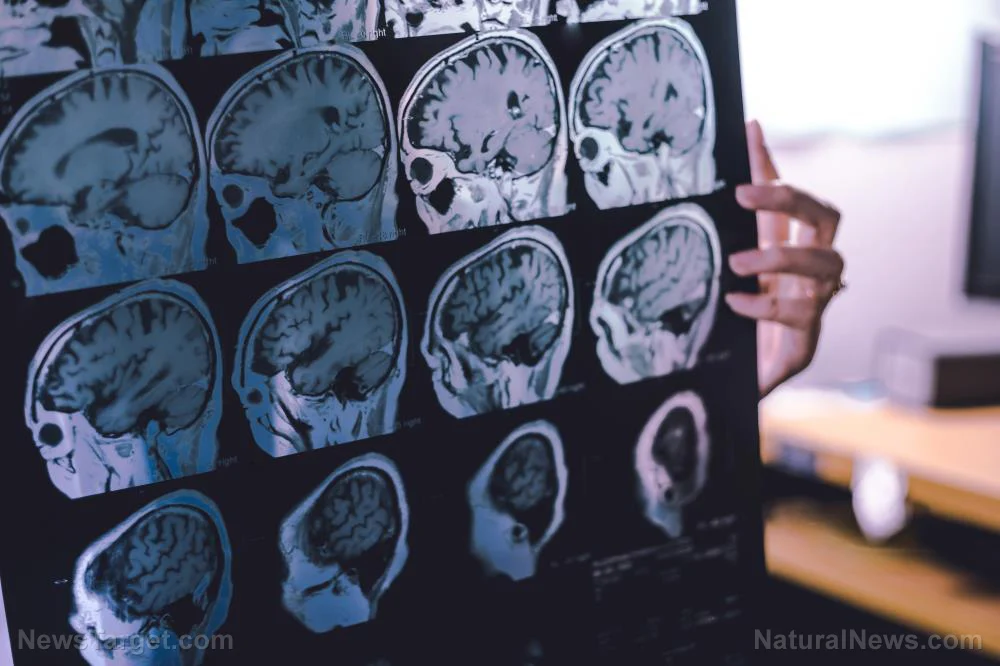
- The Modern Era (2015–Present): With the advent of high-resolution neuroimaging and advanced mass spectrometry, scientists have been able to map iron distribution in the living brain with unprecedented precision. Research published in journals such as Alzheimer’s & Dementia and Annals of Neurology has successfully connected iron accumulation to specific cellular death pathways, providing the "smoking gun" that previous generations lacked.
Supporting Data: The Case of Ferroptosis
Perhaps the most compelling evidence for the iron-Alzheimer’s connection is the discovery of ferroptosis. Unlike apoptosis—a programmed, clean form of cell death—ferroptosis is a violent, iron-dependent process characterized by the breakdown of lipid membranes.
A landmark study examining brain tissue from healthy adults, Alzheimer’s patients, and individuals with Down syndrome (who have a high genetic predisposition to Alzheimer’s) revealed staggering disparities. Those with Down syndrome and Alzheimer’s exhibited nearly double the iron concentration in memory-critical regions compared to those with Alzheimer’s alone.
The biological defense mechanisms in these brains were found to be in a state of total collapse:
- Enzyme Depletion: Enzymes responsible for repairing brain cell membranes were reduced by up to 70%.
- Antioxidant Failure: Glutathione, the brain’s "master antioxidant," was failing to be produced. Key enzymes required for its synthesis had dropped by 60%, leaving the brain defenseless against the oxidative firestorm caused by free iron.
Furthermore, research from Oregon Health & Science University has highlighted the plight of microglia—the brain’s primary immune cells. These cells act as the brain’s "cleanup crew." When myelin (the protective sheath around neurons) breaks down, microglia ingest the debris. If that debris is laden with iron, the microglia themselves succumb to ferroptosis. This creates a lethal feedback loop: as more cells die, more iron is released, more debris is created, and the immune system becomes increasingly overwhelmed, leading to the rapid neurodegeneration characteristic of advanced Alzheimer’s.
The Hidden Source: Microbleeds and Vascular Health
If iron is the poison, what is the source? Recent findings point toward "microbleeds"—tiny, often microscopic ruptures in the brain’s delicate vascular network.
As we age, or as we suffer from conditions like chronic high blood pressure, diabetes, or metabolic syndrome, the blood-brain barrier and the vascular walls become increasingly fragile. Small leaks occur, releasing blood into the surrounding tissue. As the body breaks down this blood, it releases iron-rich compounds. Under normal conditions, the brain can clear these away. However, as these systems degrade, the iron persists, builds up, and begins its corrosive work.
This suggests that Alzheimer’s is, in many ways, a vascular disease. High blood pressure is not just a heart risk; it is a neurological risk. By protecting the vascular system, we are effectively plugging the "leaks" that allow iron to accumulate in the first place.
Official Responses and the Scientific Shift
The scientific community is currently undergoing a difficult transition. For decades, the "Amyloid-Beta" theory has been the cornerstone of the pharmaceutical industry. Large-scale clinical trials have consistently failed to show that removing plaques significantly reverses cognitive decline.
Official discourse is slowly shifting toward a "multi-factorial" understanding of the disease. While amyloid is still considered a marker, it is increasingly viewed as a symptom—a byproduct of a brain already under siege by oxidative stress and iron overload. Major health organizations are beginning to acknowledge that the "one-size-fits-all" drug approach may be fundamentally flawed. Instead, the focus is moving toward lifestyle modifications and interventions that address the metabolic environment of the brain.
Implications for Prevention and Longevity
The most promising implication of the iron hypothesis is that, unlike genetic markers or amyloid deposition, iron levels are largely modifiable. This shifts the Alzheimer’s narrative from one of inevitable, tragic decline to one of proactive, manageable health.
Practical Steps for Proactive Health:
- Monitor Ferritin Levels: The most accurate way to assess body iron stores is through a serum ferritin test. While laboratory ranges vary, many functional medicine practitioners suggest an optimal range of 60 to 75 ng/mL. Values significantly higher may indicate systemic overload.
- Blood Donation: For those identified with high iron levels, therapeutic phlebotomy (donating blood) is a safe, medically recognized, and highly effective way to reduce systemic iron stores.
- Nutritional Strategy:
- Eliminate Inflammatory Fats: Replace vegetable oils high in polyunsaturated fats with stable fats like grass-fed butter, ghee, or coconut oil. Polyunsaturated fats are highly susceptible to lipid peroxidation when exposed to excess iron.
- Boost Glutathione: Incorporate sulfur-rich foods such as garlic, onions, leeks, and cruciferous vegetables into the daily diet to support the brain’s natural production of glutathione.
- Vascular Protection: Management of blood pressure and blood sugar is non-negotiable. By maintaining vascular integrity, one can reduce the frequency of microbleeds, preventing the initial deposition of iron in brain tissue.
Conclusion: A New Frontier in Neurology
Alzheimer’s disease is one of the most feared outcomes of human aging, but it is not an inevitability of the aging process itself. The evidence linking iron overload to cellular destruction provides a clear, actionable path for prevention.
By focusing on the "silent saboteur"—excess iron—we can transition from reactive, late-stage treatment to early-stage, proactive prevention. Science is finally catching up to the reality that the brain is a biological system governed by the same laws as the rest of the body. What we accumulate over a lifetime matters. By monitoring our iron levels, protecting our vascular health, and nourishing our internal antioxidant defenses, we hold the power to keep our minds sharp, resilient, and clear well into our golden years. The future of Alzheimer’s research is not just about finding a new pill; it is about reclaiming control over our own biology.