









In an era where high-tech fitness trackers and expensive gym memberships often dominate the conversation surrounding longevity, a new, large-scale study suggests that one of the most effective tools for extending your lifespan may be hidden in plain sight. Research conducted by the University of East Anglia (UEA) and the Norfolk and Norwich University Hospital (NNUH) reveals that the humble act of choosing the stairs over the elevator is far more than just a minor lifestyle choice—it is a significant, life-saving intervention.
The findings, recently published in the American Journal of Cardiovascular Drugs, provide compelling evidence that consistent stair climbing is inversely associated with cardiovascular mortality. As sedentary lifestyles continue to plague modern society, this research offers a practical, accessible, and zero-cost solution to combat the world’s leading killer: cardiovascular disease.
The Core Findings: A Statistical Leap in Longevity
The study, titled "Evaluating the Impact of Stair Climbing on Cardiovascular Risk Reduction: A Systematic Review and Meta-analysis," is one of the most comprehensive investigations into the cardiovascular benefits of vertical movement to date. By analyzing data from over 480,000 individuals across nine high-quality studies, researchers were able to draw definitive conclusions about the long-term impacts of stair climbing.
The results are staggering. The analysis found that individuals who regularly climbed stairs experienced a 39% lower risk of dying from heart-related causes compared to their more sedentary counterparts. Perhaps even more compelling for the general public is the finding that frequent stair climbers were 24% less likely to die from any cause.
Beyond the raw mortality statistics, the study highlights a clear reduction in the incidence of major cardiovascular events. Regular stair climbing was consistently linked to a decreased likelihood of developing debilitating conditions, including heart attacks, strokes, and heart failure. For a population currently struggling with rising rates of heart disease, these percentages represent a significant opportunity for individual and public health improvement.
A Chronological Perspective: How the Evidence Mounted
The journey toward understanding the physiological impact of stair climbing was not an overnight endeavor. To reach their conclusions, the research team at UEA conducted an exhaustive literature review, examining nearly 1,900 studies. This meticulous filtering process allowed the researchers to isolate nine high-quality studies that provided the most robust data.
The participants included in this meta-analysis ranged from 35 to 84 years old, encompassing both healthy individuals and those with a documented history of cardiovascular issues. With 53% of the cohort being female and a median follow-up period of 14 years, the data provides a diverse and long-term view of how stair climbing affects human longevity.
This study builds upon earlier, smaller-scale research that first hinted at the potential benefits of "micro-bursts" of activity. Previous literature had already indicated that climbing stairs for just a few minutes, several times a week, was enough to improve cardiorespiratory fitness—the body’s ability to supply oxygen to muscles during sustained physical activity—and to improve cholesterol profiles. The UEA study effectively bridges the gap between these smaller findings and a global understanding of health outcomes.
Supporting Data: Understanding the "Dose-Response" Relationship
One of the most frequently asked questions in exercise physiology is: "How much is enough?" When it comes to stair climbing, the research suggests that while more is generally better, even modest amounts offer measurable protection.
One of the key cohort studies analyzed indicated that climbing approximately six flights of stairs per day might provide the optimal health benefit. However, Dr. Sophie Paddock, a cardiology specialist registrar at NNUH and a lead researcher on the project, emphasizes that there is no "all-or-nothing" threshold.
"Some of the studies we looked at showed that the more stairs climbed, the greater the health benefits," Dr. Paddock explains. "But even small changes had a measurable impact. The key is consistency."
The data suggests that stair climbing acts as a form of high-intensity interval training (HIIT) that is naturally integrated into the human environment. Because it is a weight-bearing activity, it engages multiple muscle groups and forces the heart and lungs to work harder to transport oxygen, leading to improved vascular function over time. While the researchers note that more work is required to determine the exact "ideal dose" of stair climbing for different age groups, the current evidence strongly suggests that viewing stairs as an exercise opportunity—rather than a chore—is a scientifically sound strategy.
Official Responses and Expert Commentary
The significance of this study has been underscored by the researchers themselves, who view the findings as a rallying cry for public health policy.
Professor Vassilios Vassiliou of UEA’s Norwich Medical School highlighted the urgency of the situation. "Cardiovascular disease is the leading cause of death worldwide," he stated. "Between 1990 and 2019, the number of cases nearly doubled. However, it is largely preventable through a healthy lifestyle, which includes regular physical activity, a heart-healthy diet, smoking cessation, maintaining a healthy weight, and effectively managing blood pressure, cholesterol, and diabetes."
Professor Vassiliou argues that stair climbing is an "overlooked" way to build that necessary physical activity into the daily grind. "We wanted to better understand how this everyday activity could have life-saving potential," he added.
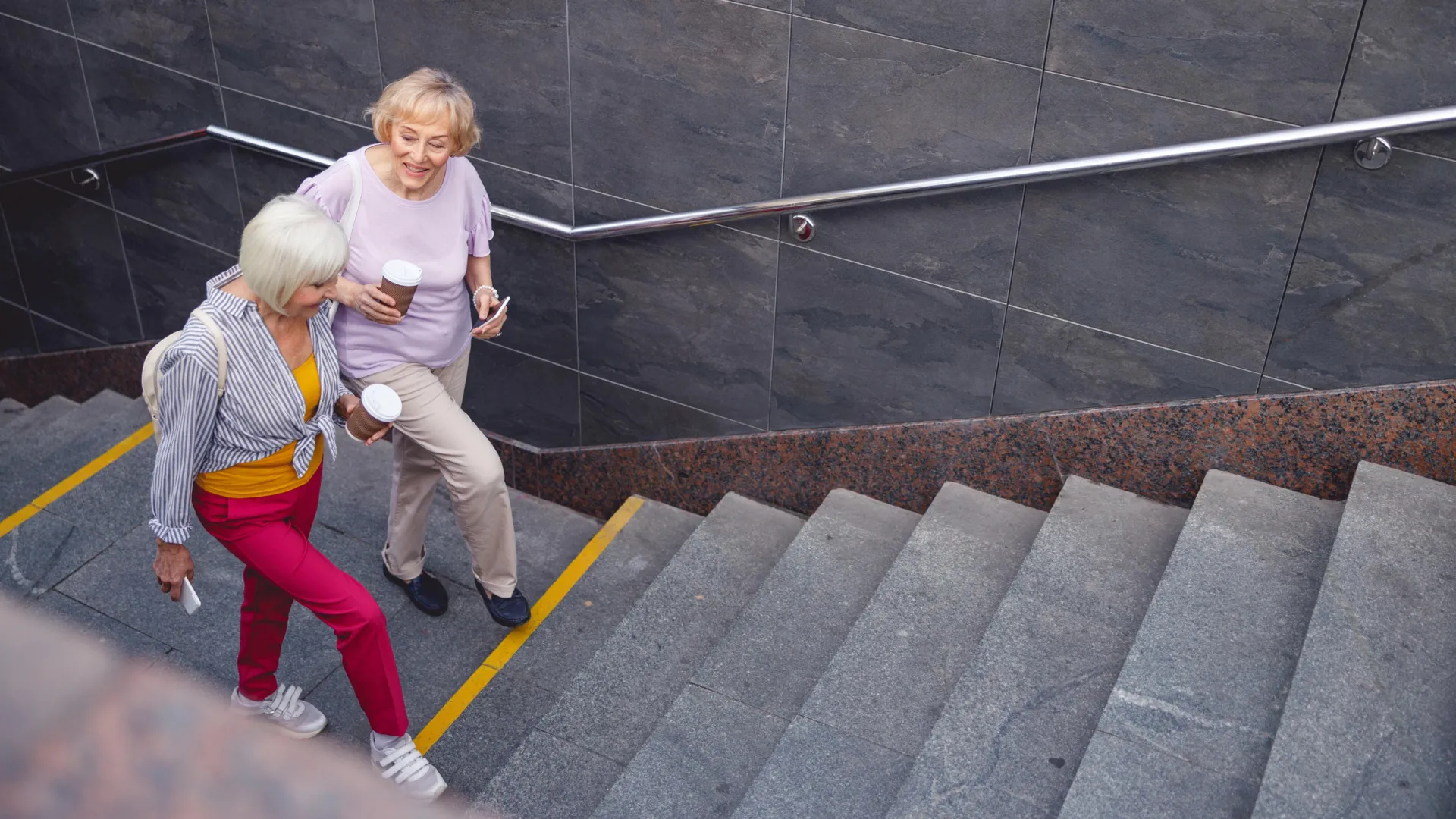
Dr. Paddock echoed this sentiment, focusing on the accessibility of the intervention. "Unlike going to the gym or doing a structured workout, climbing the stairs is something you can easily fit into your day at home, at work, or when you’re out. It’s a fantastic option for people who don’t have much time or easy access to traditional exercise facilities."
Her advice to the public is straightforward: "If you have the choice of taking the stairs or the lift, go for the stairs as it will help your heart."
Implications for Public Health and Urban Design
The implications of these findings extend far beyond individual health choices; they reach into the realms of urban planning and workplace wellness. With more than a quarter of the global adult population failing to meet the World Health Organization’s recommended levels of physical activity, the research suggests that "stair climbing interventions" could be a highly effective, scalable public health strategy.
Professor Vassiliou believes that if governments and corporations prioritize the visibility and accessibility of staircases in public buildings, workplaces, and residential complexes, it could serve as a powerful tool in reducing the cardiovascular burden at a population level. By designing environments that encourage "active travel" within buildings, we can naturally nudge individuals toward healthier habits without the psychological or financial barriers often associated with gym memberships.
However, the researchers are careful to include a caveat: stair climbing is not a universal panacea. For individuals with significant mobility limitations, chronic joint conditions, or specific medical contraindications, the stairs may not be the safest or most effective choice. Health professionals emphasize that any new exercise regimen—even one as seemingly benign as stair climbing—should be approached with caution by those with existing physical vulnerabilities.
Future Directions: Wearable Technology and Personalized Medicine
As the field of cardiology moves toward more personalized medicine, the research team at UEA is looking toward the future. They recommend that upcoming studies utilize wearable technology—such as smartwatches and fitness trackers—to capture more precise data on physical activity.
By tracking the intensity, frequency, and duration of stair climbing in real-time, future research could move beyond generalized recommendations and provide tailored guidance. For instance, determining whether three short bursts of two flights of stairs are as effective as one continuous climb of six flights would allow doctors to provide more specific, evidence-based "prescriptions" for heart health.
Conclusion: A Step in the Right Direction
The research from the University of East Anglia and the Norfolk and Norwich University Hospital serves as a poignant reminder that we do not always need sophisticated equipment or massive lifestyle overhauls to improve our health. Sometimes, the most profound changes come from the simplest decisions.
By choosing the stairs, we are not merely reaching a different floor; we are investing in the long-term resilience of our cardiovascular system. In a world that is increasingly sedentary and time-poor, the humble staircase stands as a gateway to better health, one step at a time. As the evidence continues to mount, it is becoming increasingly clear that the path to a longer, healthier life may be a flight of stairs away.