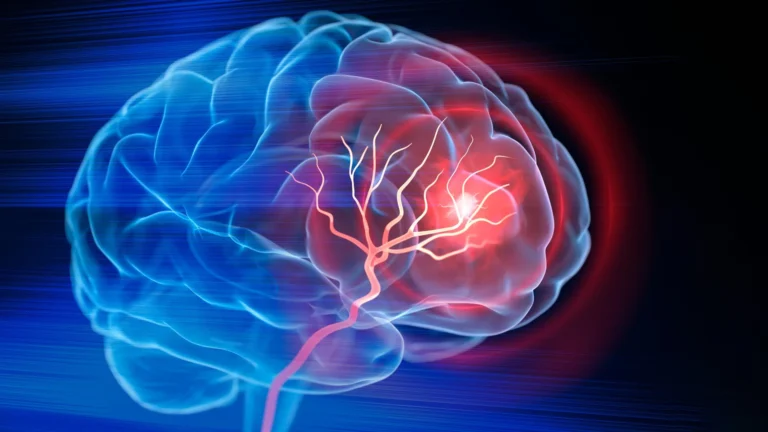












A landmark study published on August 12, 2026, in Neurology, the prestigious medical journal of the American Academy of Neurology, has reignited the scientific conversation regarding the relationship between hormone therapy (HT) and long-term cognitive health. Analyzing data from over 21,000 women, researchers have identified a significant association between the use of estrogen-only hormone therapy in later life and a reduced risk of developing markers associated with Alzheimer’s disease.
While the findings are compelling, the medical community is urging caution. The researchers emphasize that the study identifies an association rather than a causal link, and the historical context of how these hormones were administered differs significantly from modern clinical practice.
Main Facts: The Intersection of Estrogen and Cognitive Health
The study, supported by the National Institute on Aging, sought to investigate whether estrogen-only hormone therapy, when initiated or continued into the later stages of life, offers a neuroprotective effect. By examining both longitudinal clinical data and post-mortem brain tissue, the research team uncovered a statistically significant pattern: women who used estrogen-only therapy were less likely to present with the hallmark neuropathology of Alzheimer’s disease.
Key takeaways from the report include:
- Reduced Pathology: Women who utilized hormone therapy showed a 35% lower probability of exhibiting signs of Alzheimer’s disease pathology upon autopsy.
- Biomarker Evidence: In vivo testing revealed that hormone therapy users maintained levels of amyloid-beta protein in their blood and spinal fluid indicative of lower plaque accumulation in the brain.
- Clinical Outcomes: Beyond biological markers, hormone therapy users were 39% less likely to receive a formal clinical diagnosis of dementia and exhibited slower declines in memory and daily functional capacity.
Chronology: Understanding the Scope of the Study
To reach these conclusions, researchers conducted a comprehensive retrospective analysis of two massive, distinct datasets involving 21,462 female participants. The study structure was designed to capture both the clinical progression of cognitive health during life and the physical state of the brain after death.
The Phases of Data Collection
- Initial Recruitment and Follow-up: Participants were tracked over a period of three to five years, beginning at an average age of 71. This age range is critical, as it targets the window where the incidence of cognitive impairment begins to rise significantly.
- In-Life Biomarker Analysis: A subset of 728 participants underwent brain scans and biomarker testing while alive. This allowed researchers to observe the correlation between hormone use and the actual buildup of proteins, such as amyloid-beta, which are known precursors to Alzheimer’s.
- Post-Mortem Examination: A larger subset of 2,959 participants provided the most definitive data. These women underwent autopsies after passing away at an average age of 82. This allowed researchers to definitively score the presence of amyloid-beta plaques, tau tangles, and neuritic plaques—the "triple threat" of Alzheimer’s disease.
The participants were divided into two groups: 1,953 women who had used hormone therapy and 19,509 who had not. Notably, the average age at which participants began their hormone therapy was 70, placing the intervention well within the later stages of life.
Supporting Data: Examining the Neuropathological Evidence
The strength of the Neurology study lies in its multi-layered approach to evidence. By analyzing the "triple features" of Alzheimer’s disease, researchers could create a composite score of brain health.
The Pathology Gap
The results revealed a stark divide between the two groups. Among the cohort that had utilized hormone therapy, 18% of the women showed absolutely no evidence of Alzheimer’s-related pathology at autopsy. In contrast, only 10% of the non-users were free of these signs.
Conversely, the study looked at the "full spectrum" of the disease, defined by the presence of all three major Alzheimer’s markers (amyloid plaques, tau tangles, and neuritic plaques). In the non-user group, 51% of women displayed all three signs. In the hormone therapy group, that number dropped to 40%.
These figures remained statistically significant even after the researchers adjusted for potential confounding variables, including:
- Genetics: Specifically looking at markers like the APOE ε4 allele.
- Demographics: Controlling for education levels, race, and socioeconomic indicators.
- Comorbidities: Accounting for hypertension, which is a known risk factor for vascular dementia and cognitive decline.
Official Responses and Expert Context
The lead author of the study, Dr. Jennifer Bruno of Stanford Medicine, has been vocal about the importance of interpreting these findings through a lens of historical context.
"While these findings help us better understand the relationship between hormone therapy use and various markers of dementia, more research needs to be done before we can make recommendations to women about their use of these therapies in relation to their brain health," Dr. Bruno stated in a press release accompanying the study.
The "Estrogen-Only" Caveat
A critical detail often lost in the broader conversation about hormone therapy is the distinction between treatment types. This study focused exclusively on estrogen-only therapy.
In modern medical practice, estrogen-only therapy is almost exclusively reserved for women who have undergone a hysterectomy. This is due to the well-documented risk of endometrial cancer associated with estrogen when a uterus is present. In women with an intact uterus, progestin is typically added to mitigate this cancer risk. However, previous, separate studies have suggested that the combination of estrogen and progestin might carry a different risk profile regarding dementia. Therefore, the findings of this study cannot be extrapolated to combined hormone therapies.
Implications: The Challenge of Modern Clinical Practice
Perhaps the most significant hurdle in applying these findings to the present day is the vast difference between how hormone therapy was administered decades ago and how it is prescribed today.
The Generational Divide
Participants in the study began their hormone therapy at an average age of 70. In contrast, current standard clinical guidelines typically suggest that if hormone therapy is used, it should be initiated during the perimenopause or early menopause transition—usually in the late 40s or early 50s—and discontinued before the age of 60 to avoid cardiovascular risks.
"This study looked back at women who were using hormone therapy decades ago with the timing and type of use differing from what is current practice for most women today," Dr. Bruno explained. "So the results are informative, but they may not apply to today’s standards."
Future Directions for Research
The medical community is now tasked with determining if the neuroprotective effects observed in this study are a result of the hormones themselves or a result of the specific timing of the intervention. The scientific community is calling for:
- Prospective Clinical Trials: Studies that follow women currently using modern, low-dose, transdermal hormone delivery systems to see if the protective benefits persist.
- Biological Mechanism Studies: Investigating exactly how estrogen influences the clearance of amyloid-beta plaques from the brain.
- Personalized Medicine Approaches: Identifying which genetic profiles or metabolic markers might make a woman more likely to benefit from hormone therapy regarding her brain health.
A Measured Conclusion
For now, the study provides a fascinating look into the complex role of estrogen in the aging brain. It suggests that, under certain circumstances, estrogen may indeed play a protective role in preventing the development of Alzheimer’s. However, the study is not a green light for women to seek out hormone therapy as a preventative measure for dementia.
As the National Institute on Aging continues to fund research in this area, the focus will likely shift from broad population studies to nuanced, targeted research that accounts for the modern delivery of hormones, the duration of use, and the critical timing of intervention. For women currently navigating the decisions surrounding hormone therapy, the best course of action remains a personalized consultation with a healthcare provider, weighing the well-established benefits—such as the relief of vasomotor symptoms and the preservation of bone density—against potential risks, while awaiting further clarification on the long-term cognitive implications.