










In the high-stakes environment of modern healthcare, the only constant is change. For respiratory therapists (RTs), the landscape of practice is currently undergoing a seismic shift driven by rapid technological advancements, evolving regulatory frameworks, and a heightened demand for patient-centered, data-driven care. Professionals who entered the field even a decade ago are finding that the core competencies required to thrive today extend far beyond the foundational skills taught in initial certification programs.
As hospitals reengineer their clinical workflows and the complexity of patient acuity rises, the traditional approach to professional development—simply maintaining a license through mandatory continuing education—is no longer sufficient. To remain relevant, competitive, and effective, RTs must embrace a culture of continuous "upskilling." This proactive approach to career growth is no longer a luxury; it is a professional imperative.
Main Facts: The Changing Face of Respiratory Care
The primary driver behind the push for upskilling is the increasing sophistication of respiratory care delivery. From the integration of advanced mechanical ventilation modes to the implementation of telehealth and remote patient monitoring, the tools at an RT’s disposal are becoming more complex.
Healthcare recruiters are increasingly filtering candidates not just by their credentials, but by their "agility"—their documented willingness to acquire new, high-demand skill sets. The industry is moving toward a model where the respiratory therapist is viewed as a high-level clinical decision-maker rather than a technician. This transformation is reflected in the push toward higher academic benchmarks. While the associate degree remains the entry-level standard, the profession is gravitating toward a bachelor’s-degree-dominant workforce, particularly for those seeking pathways into management, education, or specialized clinical roles.
A Chronology of Professional Development
To understand the current state of RT education, one must look at how the profession has evolved over the last several decades:
- 1970s–1980s (The Technician Era): The focus was primarily on manual tasks, oxygen therapy, and basic mechanical ventilation. Training was largely provided by hospitals through "on-the-job" instruction.
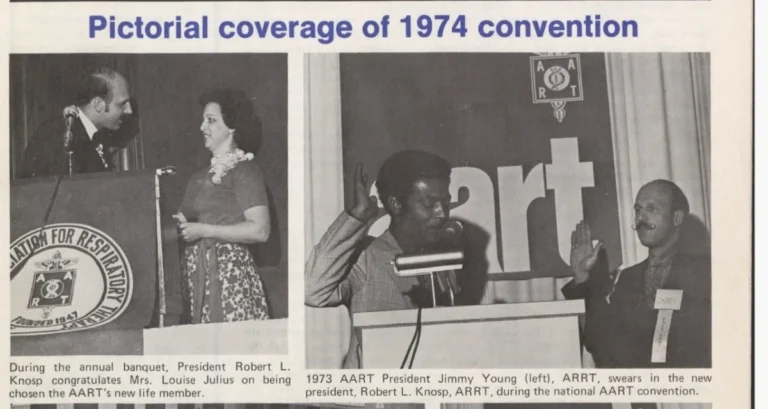
- 1990s–2000s (The Credentialing Era): The emergence of national standards for RRT (Registered Respiratory Therapist) status solidified the role. Continuing education became a mandatory mechanism for license renewal.
- 2010–2020 (The Specialized Care Era): The introduction of NBRC specialty credentials (e.g., NPS, ACCS) signaled a shift toward domain-specific expertise.
- 2020–Present (The Upskilling Era): The COVID-19 pandemic acted as a massive catalyst, forcing RTs to rapidly adopt new technologies and take on broader responsibilities. Today, the focus is on lifelong learning, digital literacy, and academic advancement to keep pace with clinical innovation.
Supporting Data: Why Degrees and Credentials Matter
The data on workforce trends indicates a clear correlation between advanced education and career longevity. According to industry surveys, RTs who hold a Bachelor of Science in Respiratory Therapy (BSRT) report significantly higher rates of promotion into leadership positions compared to those with an associate degree alone.
Furthermore, the educational infrastructure has adapted to meet this demand. The Commission on Accreditation for Respiratory Care (CoARC) now lists a vast array of RRT-to-BS completion programs. Crucially, the vast majority of these programs have pivoted to asynchronous online formats, acknowledging that the typical RT is a working professional balancing clinical shifts, family life, and educational goals.
In addition to formal degrees, industry-recognized certificates—such as Advanced Cardiac Life Support (ACLS), Pediatric Advanced Life Support (PALS), and Neonatal Resuscitation Program (NRP)—serve as vital indicators of clinical readiness. These certifications act as "force multipliers" on a resume, signaling to employers that the clinician is prepared to handle high-acuity environments immediately upon hire.
Official Perspectives: The Role of Professional Organizations
The American Association for Respiratory Care (AARC) has been at the forefront of this movement, emphasizing that professional development is a self-directed journey.
"Upskilling is not just about checking a box for licensure; it is about building a professional portfolio that reflects your ambitions," says a spokesperson for the organization. "When an RT takes the initiative to earn a specialty credential or complete an advanced degree, they are not just investing in their own paycheck—they are investing in the safety and outcomes of the patients they serve."
The AARC maintains that the responsibility for career growth has shifted from the department head to the individual therapist. While hospitals continue to offer internal training, the most successful RTs are those who look beyond their local facility’s internal offerings to seek out national-level credentials and academic pursuits that offer a broader perspective on the future of healthcare.
Implications: The Risks of the Status Quo
What happens to those who choose not to upskill? In an era where hospitals are constantly evaluating their operational costs and clinical efficiencies, the "status quo" is a dangerous place to be.
- Reduced Career Mobility: Clinicians who lack advanced degrees or specialty certifications are often the first to be overlooked for management, supervisory, or educator roles.
- Decreased Clinical Competence: As bedside technology evolves, those who do not actively seek out training on new equipment or treatment protocols risk becoming obsolete in their own departments.
- Job Security: As the healthcare sector leans toward higher academic standards, those with entry-level qualifications may find it increasingly difficult to transition between health systems or move into specialized niches like ECMO (Extracorporeal Membrane Oxygenation) or Flight Respiratory Therapy.
Navigating Your Path: Strategic Upskilling
For the respiratory therapist, the path forward is clear: be the architect of your own career. This requires a shift in mindset from passive participation to active acquisition of new competencies.
Step 1: Self-Assessment
Begin by utilizing resources like the AARC’s "Your RT Career" portal. This platform is designed to help therapists audit their current skills, identify their career goals—whether they lie in bedside clinical excellence, leadership, or academia—and map out a plan to achieve them.
Step 2: Formal Education
Research accredited RRT-to-BS programs via the CoARC website. Evaluate programs based on their flexibility, cost, and alignment with your specific interests. Whether you are interested in respiratory research or hospital administration, there is a program that can provide the necessary theoretical framework to move you to the next level.
Step 3: Specialty Credentials
The NBRC offers a suite of specialty credentials that validate your expertise in high-demand areas. Pursuing an Adult Critical Care Specialty (ACCS) or a Neonatal/Pediatric Specialty (NPS) credential provides objective evidence of your ability to perform in the most challenging clinical environments.
Step 4: Engagement
Professional networking and involvement in organizations like the AARC provide access to webinars, peer-reviewed journals, and conferences. These resources are not just for CEUs; they are windows into the future of the profession, offering insights into emerging trends before they become mainstream.
Conclusion: Building a Future-Proof Career
The history of respiratory care is a testament to the adaptability of its professionals. For decades, RTs have been the quiet heroes of the ICU, the ER, and the outpatient clinic. However, the future will not be defined by how well you perform the tasks of yesterday, but by how well you prepare for the technologies of tomorrow.
By treating your professional development as a lifelong commitment rather than a temporary chore, you ensure that your career remains resilient in the face of change. Whether you choose to pursue an advanced degree, obtain a new specialty certification, or simply engage more deeply with the professional community, the effort you put in today will pay dividends in your clinical outcomes, your job satisfaction, and your long-term earning potential.
Do not wait for your department to tell you what to learn next. Take the initiative, lean into the complexity of the modern medical environment, and build a career that is not only secure but truly impactful. The future of respiratory care is being written right now—ensure that you are one of its lead authors.