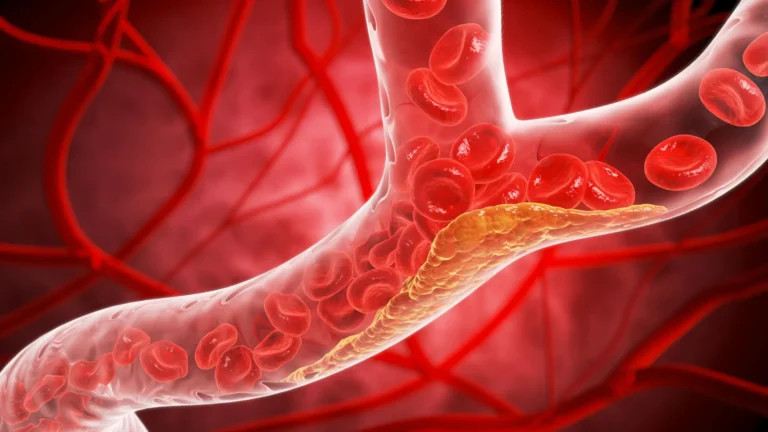












In the evolving landscape of preventative cardiology, the ability to foresee a cardiac event before it manifests as a clinical emergency is the "holy grail" of medicine. A groundbreaking study published today in the Journal of the American Heart Association (JAHA) offers a significant step forward in this pursuit. The research demonstrates that the American Heart Association’s (AHA) PREVENT™ (Predicting Risk of cardiovascular disease EVENTs) risk calculator is not only effective at estimating the long-term risk of cardiovascular incidents but also serves as a reliable proxy for identifying subclinical atherosclerosis—the silent, dangerous buildup of plaque in the heart’s arteries.
By integrating the PREVENT score with coronary artery calcium (CAC) imaging, researchers have established a dual-layered screening approach that significantly enhances the accuracy of predicting heart attacks. This synergy between predictive modeling and advanced imaging promises to shift the paradigm from reactive treatment to proactive, personalized heart health management.
The PREVENT™ Calculator: A New Standard in Risk Assessment
Introduced by the American Heart Association in 2023, the PREVENT™ calculator represents a fundamental update to how clinicians evaluate cardiovascular risk. Unlike older models that relied on a narrower set of data, PREVENT is designed to provide a comprehensive outlook for adults as young as 30.
The calculator processes a sophisticated array of variables, including:
- Traditional Metrics: Age, blood pressure, cholesterol levels, and body mass index (BMI).
- Metabolic Indicators: Type 2 diabetes status and kidney function.
- Lifestyle and Social Factors: Smoking history and social determinants of health.
- Prognostic Scope: It estimates the 10-year and 30-year risk of heart attack, stroke, and heart failure.
By accounting for these diverse factors, PREVENT allows physicians to identify cardiovascular-kidney-metabolic (CKM) health risks earlier in a patient’s life, providing a wider window for intervention.
Methodology: Bridging Predictive Models and Clinical Imaging
To evaluate the efficacy of the PREVENT tool, a research team led by experts at NYU Grossman School of Medicine conducted a retrospective analysis of electronic health records. The study tracked nearly 7,000 adults who underwent coronary computed tomography angiography (CCTA) at NYU Langone Health between 2010 and 2024.
The study’s objective was twofold:
- Validation: Determine if the PREVENT score correlates with the extent of arterial calcium buildup measured via CCTA/CAC scores.
- Prognostic Power: Assess the predictive accuracy of using the PREVENT score and CAC scores—both independently and in tandem—to forecast actual heart attacks during a follow-up period.
The researchers analyzed the intersection of these data points to see if the "calculated risk" produced by the PREVENT algorithm successfully aligned with the "physical reality" of plaque buildup observed in the patients’ arteries.
Key Findings: The Power of Integration
The analysis yielded critical insights into the relationship between mathematical risk modeling and physiological health. The study found that the PREVENT calculator was highly accurate in identifying individuals with subclinical cardiovascular disease—those who possess blocked arteries despite having no overt symptoms.
Perhaps most importantly, the research revealed that the combination of PREVENT and a coronary calcium score provided the highest level of predictive precision. When patients were assessed using both methods, those identified as being in the highest risk category were consistently matched with the cohort of participants who ultimately suffered a heart attack during the follow-up period.
"These findings are important because when we can better predict a patient’s risk of heart attack, we can also tailor care and determine who may benefit from treatment to prevent a heart attack, such as cholesterol-lowering medications," explained corresponding author Morgan Grams, M.D., Ph.D., the Susan and Morris Mark Professor of Medicine and Population Health at NYU Grossman School of Medicine.
Expert Perspectives: Optimizing Clinical Armamentarium
The clinical implications of this research were discussed by Sadiya Khan, M.D., MSc., FAHA, a co-author of the study and a prominent volunteer expert for the American Heart Association. Dr. Khan, who also chaired the writing group for the AHA’s 2023 Scientific Statement on the PREVENT calculator, emphasized that while predictive tools are powerful, they are most effective when used in conjunction with objective imaging.
"CT scans to evaluate for coronary calcium and the extent of coronary artery calcium buildup may be useful when patients are uncertain if they want to start lipid-lowering therapy or if lipid-lowering therapy should be intensified," Dr. Khan noted. "We have so many tools in our armamentarium for reducing the risk of heart attack; we want to be able to optimize treatments for patients, especially those with higher risk."
The ability to provide patients with hard data—visual evidence of calcium buildup combined with a statistical probability of future events—is a powerful tool for shared decision-making. It transforms an abstract recommendation for medication into a tangible strategy for disease prevention.
Chronology of Development and Research
- 2023 (Launch): The American Heart Association releases the PREVENT risk calculator, marking a departure from previous equations by incorporating kidney health and social determinants of health.
- 2010–2024 (Data Collection): NYU Langone Health collects CCTA and electronic health record data from nearly 7,000 patients, creating the dataset used in the current study.
- 2024 (Publication): The Journal of the American Heart Association publishes the findings, validating that the PREVENT tool accurately mirrors the physiological evidence of arterial disease found in CCTA scans.
Addressing Limitations and Future Directions
While the study is a milestone in cardiovascular research, the authors are careful to acknowledge its limitations. The research was conducted at a single institution, and the study population was predominantly white, which may limit the generalizability of the findings to a more diverse global population.
Furthermore, the study utilized electronic health records as its sole data source, and the follow-up period was relatively short, lasting an average of 1.2 years. Because the participants were referred for CCTA/CAC screening by a health care professional, there is also a possibility of selection bias; these patients may have presented with more risk factors than the average person in the general population, potentially leading to an overestimation of coronary artery calcium prevalence in low-risk individuals. Finally, the current study did not assess the presence of "non-calcified" plaque—a type of arterial buildup that can also be dangerous but is not always captured by traditional calcium scoring.
Despite these limitations, the authors emphasize that the study serves as a vital proof-of-concept. "The findings illustrate that PREVENT is accurate in identifying people who may have subclinical risk for cardiovascular disease," said Dr. Grams. "This study used a real-world set of patients, so our findings are important in shaping future guidelines on the use of the PREVENT calculator and coronary computed tomography angiography."
Implications for Public Health and Clinical Practice
The integration of the PREVENT™ calculator into standard clinical practice represents a major leap toward "precision cardiology." By effectively identifying patients at risk before symptoms arise, clinicians can intervene with targeted strategies—such as intensified lipid-lowering therapy, dietary adjustments, and blood pressure management—long before a catastrophic cardiac event occurs.
As the medical community continues to refine these tools, the focus will likely shift toward larger, more diverse prospective studies to confirm these findings across different demographics. For now, the combination of the PREVENT calculator and CAC imaging offers a robust, evidence-based approach that empowers both physicians and patients to take command of heart health.
By leveraging the data-driven insights of the PREVENT tool, the healthcare system is better positioned to move beyond the "one-size-fits-all" approach, moving closer to a future where heart attacks are not just treated, but systematically prevented.