







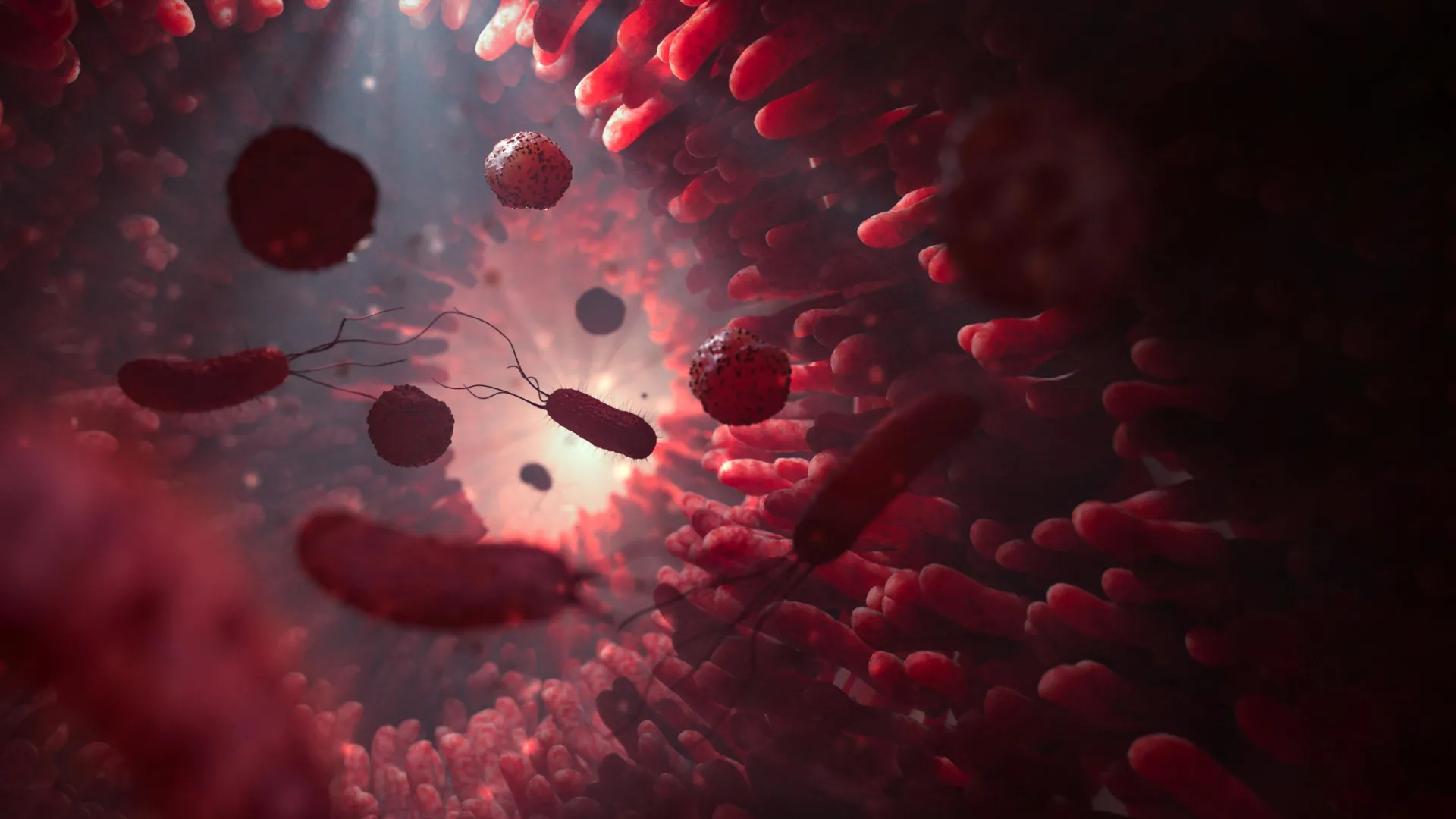
For decades, the medical community has championed the "fiber-first" approach to nutrition. We are told that plant-based diets are foundational to a healthy life, supporting everything from metabolic stability to cardiovascular resilience. Yet, the specific mechanisms behind these benefits—the complex, microscopic choreography occurring within our intestines—have remained largely shrouded in mystery.
A breakthrough pair of studies, led by researchers at the Ludwig Institute for Cancer Research at Princeton University, is now peeling back the layers of this biological enigma. By tracking how specific plant components interact with our gut microbiome, scientists are not only confirming the wisdom of plant-rich diets but are also identifying a new category of nutrients that may one day appear on nutrition labels alongside fiber.
The Microscopic Engine: How Plant Foods Shift Metabolites
At the heart of these findings is the role of "metabolites"—the chemical compounds produced as the body and its resident bacteria break down food. These metabolites serve as signaling molecules that can either protect our cells or, in some cases, contribute to systemic toxicity.
In a recent study published in the Proceedings of the National Academy of Sciences (PNAS), researchers led by Jenna AbuSalim and Director Joshua Rabinowitz explored the influence of plant-based foods on "phenol metabolites." These compounds are synthesized when gut bacteria digest the amino acids tyrosine and phenylalanine.
The researchers discovered that the health implications of these metabolites are diametrically opposed. When bacteria process phenylalanine, they produce compounds like phenylpropionate and hippuric acid, which are associated with healthy body weight and robust gut health. Conversely, the breakdown of tyrosine leads to p-cresol sulfate and phenol sulfate—substances linked to systemic toxicity in kidney disease patients and worsened outcomes in cancer treatment.
The research team found that plant-based diets do more than just provide fiber; they act as a biological switch, shifting the balance of these metabolites from the harmful, tyrosine-derived phenols to the beneficial, phenylalanine-derived ones.
Identifying the New Frontier: "Prif" Proteins
While fiber has held the spotlight for years, the Princeton team turned their attention to a neglected class of plant components: indigestible plant proteins, which the researchers have dubbed "Prif" (proteins imitating fiber).
Through meticulous isotope-labeling experiments in mice, the team traced the movement of these proteins through the gut. They discovered that when the diet is low in fiber, gut bacteria are forced to forage for nutrients elsewhere, often turning their metabolic activity toward the host’s own body—specifically the protective mucus lining of the gut. This "cannibalistic" behavior by the microbiome releases harmful phenols.
Fiber acts as a shield, preserving the gut lining. However, the addition of "Prif" provides a more direct benefit: it serves as a high-quality substrate for bacteria to produce beneficial, health-promoting phenols. "We think Prifs represent an emerging class of dietary nutrients that shape the composition of the gut microbiome and could have a far-reaching influence on metabolic health," says AbuSalim. Rabinowitz adds, with a touch of foresight, "Food packaging may eventually list Prif right below fiber."
Rethinking the Origins of Metabolic Health
The second study, published in June in Nature Metabolism, challenges a long-standing assumption in biology: that phenols and indoles—compounds crucial for immune response and cancer prevention—are exclusively the product of gut bacteria.
Scientists have historically treated the microbiome as the primary factory for these metabolites. Consequently, much of the research into probiotics and diet-based therapies has focused on "microbiome-centric" interventions. However, the Princeton team utilized isotope tracing in mice, rats, and human cells to reveal a surprising truth: the mammalian body is capable of producing many of these critical metabolites on its own.
By treating subjects with antibiotics to deplete the microbiome, the researchers observed that while microbe-exclusive compounds (like p-cresol sulfate) plummeted, levels of other vital metabolites (such as indole-3-lactate and indole-3-acetate) remained steady. This suggests that the host’s own metabolic processes contribute significantly more to our internal chemical environment than previously believed.
Implications for Modern Medicine
The implications of these studies are profound for the future of precision medicine. If clinicians know exactly which dietary components control specific microbial outputs, they can design targeted therapeutic interventions.
Chronic Disease Management
Indole metabolites are already being studied for their potential to inhibit cancer metastasis and improve anti-tumor immune responses. Understanding that the body produces these compounds independently of the microbiome allows for more nuanced treatment plans, particularly for patients whose microbiomes are compromised by chemotherapy or chronic illness.
Precision Nutrition
The traditional "one-size-fits-all" advice to eat more fiber is evolving. By identifying "Prif" as a specific nutritional tool, nutritionists may soon be able to prescribe specific plant-based diets tailored to a patient’s unique metabolic profile. Rather than simply recommending broad food categories, doctors could focus on optimizing the ratio of fibers and Prifs to favor the production of beneficial metabolites.
Rethinking Probiotics
The finding that mammalian metabolism contributes heavily to the circulating pool of metabolites suggests that current probiotic strategies might be misaligned. If we are trying to fix a metabolic issue by introducing new bacteria, but the body is actually producing the required compounds itself, our interventions may be less effective than anticipated. Future therapies may need to focus more on fueling the host’s own metabolic machinery.
Official Responses and Future Research
Joshua Rabinowitz, who serves as a Professor in the Department of Chemistry and the Lewis-Sigler Institute for Integrative Genomics at Princeton, emphasizes that this is only the beginning. "There’s growing interest across medical disciplines in manipulating the human microbiome or using its metabolic products themselves for therapy," he states. "Diet holds great promise for controlling the microbiome and its outputs. But to devise effective therapeutic interventions, we need to understand what aspects of the diet control which microbial outputs."
The research, funded by the Ludwig Institute for Cancer Research, the National Institutes of Health, and the Princeton Alliance for Collaborative Research and Innovation, serves as a blueprint for the next decade of nutritional science.
Conclusion: A New Paradigm for Health
The research led by AbuSalim and Rabinowitz represents a shift in how we perceive the relationship between our plates and our bodies. We are moving away from viewing the gut as a simple "digestion tube" and toward seeing it as a complex, interactive chemical plant where host cells and microbial residents work in concert.
By identifying the role of indigestible plant proteins and clarifying the division of labor between our own metabolism and that of our gut bacteria, these studies provide a scientific foundation for what has long been anecdotal: that plants are not just "good for us" in a vague, general sense, but are essential chemical architects of our internal health. As research continues, the goal remains clear: to sharpen the guidance given to patients, turning the abstract idea of "healthy eating" into a precise, evidence-based science that can prevent disease and extend human health.