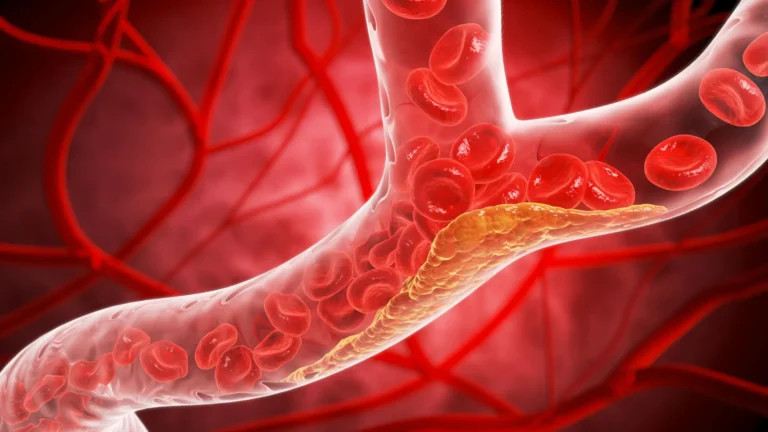




The landscape of women’s health in the United States is facing a daunting transformation. According to a landmark scientific statement published in Circulation, the flagship journal of the American Heart Association (AHA), the prevalence of cardiovascular disease (CVD) among American women is on a trajectory to reach crisis levels by 2050. The report, titled "Forecasting the Burden of Cardiovascular Disease and Stroke in the United States Through 2050 in Women," provides a sobering projection: within the next 25 years, nearly 6 in 10 women in the U.S. will be living with some form of cardiovascular disease.
This shift is not merely a statistical anomaly; it represents a fundamental change in the public health architecture of the nation. As high blood pressure, diabetes, and obesity continue to climb, the medical community is sounding the alarm, calling for an urgent pivot from reactive acute care to lifelong, proactive cardiovascular prevention.
The Magnitude of the Challenge: Main Facts
Cardiovascular disease is already the leading cause of death for women, yet the new data suggests that the burden is expanding faster than previously anticipated. Currently, more than 62 million women in the U.S. are living with some form of CVD, a condition that costs the healthcare system at least $200 billion annually.
"One in every three women will die from cardiovascular disease—maybe it’s your grandmother, or your mother, or your daughter," explains Dr. Karen E. Joynt Maddox, chair of the volunteer writing group behind the report and a professor of medicine at Washington University School of Medicine. "Our estimates indicate that if we stay on the current path, these numbers will grow substantially over the next 25 to 30 years."
The report forecasts increases across every major category of heart health, including heart failure, atrial fibrillation, and stroke. Unlike past decades, where heart disease was often viewed through the lens of aging, this report highlights that the drivers of the disease—specifically high blood pressure and metabolic syndrome—are beginning to take root in younger demographics, setting the stage for a lifetime of chronic illness.
A Chronology of Risk: From Childhood to Midlife
The AHA report emphasizes that cardiovascular health is not a static state but a cumulative journey that begins in childhood. The projections for the year 2050 illustrate a disturbing trend regarding the next generation:
- Childhood and Adolescence: By 2050, nearly 32% of girls ages 2 to 19 are projected to have obesity, a 12% increase from current levels. Experts link this to lifestyle factors, noting that more than 60% of girls are expected to have insufficient physical activity, and more than half will likely maintain poor dietary habits.
- Young Adulthood: By 2025, the rise in cardiovascular risk factors in younger women will become statistically significant. This early onset of metabolic dysfunction—often fueled by social determinants of health such as poverty, food deserts, and psychosocial stress—means that women are entering their childbearing years and perimenopause with a pre-existing "heart health deficit."
- The Path to 2050: As these cohorts age, the prevalence of high blood pressure and diabetes is expected to compound. The transition through menopause, a period of significant hormonal and physiological change, acts as a critical window where these underlying risks often manifest into full-blown clinical cardiovascular events.
Supporting Data: Disparities and Demographics
The burden of cardiovascular disease is not distributed equally. The AHA report illuminates deep-seated systemic inequities that contribute to disparate outcomes among women of color.
The Impact on Women of Color
The projections for 2050 reveal that minority populations will face disproportionate challenges:
- Hispanic Women: High blood pressure is projected to rise most sharply in this demographic, with an increase of more than 15%.
- Asian Women: Obesity is expected to climb most dramatically, with a projected increase of nearly 26%.
- Black Women: This group continues to face the highest overall risk burden. By 2050, it is projected that more than 70% of Black women will have high blood pressure, more than 71% will be living with obesity, and nearly 28% will have diabetes.
These figures underscore the role of social determinants of health—such as access to nutritious food, safe housing, and quality healthcare—in dictating long-term heart health. The report calls for tailored interventions that move beyond clinical settings and into the communities where these women live and work.
Official Responses and the "Life’s Essential 8"
The medical community is calling for a radical change in how heart health is managed. Dr. Stacey E. Rosen, president of the American Heart Association and executive director of the Katz Institute for Women’s Health, argues that the solution lies in a return to foundational prevention.
"We know the factors that contribute to heart disease and stroke begin early in life," Dr. Rosen stated. "Identifying these trends is critical to making meaningful changes that can reverse this course."
The AHA promotes a framework known as "Life’s Essential 8," which serves as a clinical prescription for cardiovascular longevity. These metrics focus on four health behaviors (healthy diet, physical activity, smoking cessation, and adequate sleep) and four health factors (weight management, cholesterol control, blood sugar regulation, and blood pressure monitoring).
"I like to call Life’s Essential 8 a prescription for health," Dr. Rosen noted. "The majority—as much as 80%—of heart disease and stroke can be prevented. It’s not too late to take the first steps."
Implications: A Call for Systemic Reform
The projections in the Circulation report serve as a "wake-up call" for policymakers, healthcare systems, and individual patients. While there are some encouraging signs—such as a projected decline in high cholesterol levels across most groups—the overall data suggests that current prevention efforts are inadequate.
Rethinking Healthcare Delivery
To change the trajectory, the authors propose several strategic shifts:
- Integration of Heart Health in All Settings: Heart-healthy habits must be encouraged in schools, community centers, and pediatric clinics. For women specifically, gynecological visits present a prime opportunity to screen for early signs of cardiovascular risk, such as blood pressure trends or metabolic changes related to pregnancy.
- Addressing Social Determinants: Healthcare systems must expand their scope to address the environmental conditions that influence health. This includes improving access to fresh food and safe spaces for physical activity, particularly in marginalized communities.
- Harnessing Technology: The era of digital health, AI, and novel metabolic medications offers new avenues for intervention. However, Dr. Joynt Maddox emphasizes that while we have the tools, we lack the systems to deploy them effectively.
- Reframing Women’s Heart Health: Awareness of heart disease as a major risk for women has been declining in recent years. There is an urgent need to re-educate the public—and even some healthcare providers—who may still perceive heart disease as a "man’s condition."
A Future of Possibility
The report concludes on a note of cautious optimism. Through simulation modeling, researchers have determined that meaningful reductions in these projections are achievable if systemic interventions are implemented now.
"We need to keep girls and women from developing cardiovascular risk factors so that they can live long, healthy lives," Dr. Joynt Maddox said. "Every woman of every age should understand her risk and be empowered to take action. Know your numbers, listen to your body, and be an advocate for your health."
As the United States moves toward 2050, the challenge is clear. The cardiovascular health of women is a bellwether for the health of the entire nation. By shifting the focus from treating the acute consequences of heart disease to fostering a lifetime of cardiovascular wellness, society has the potential to rewrite this forecast—transforming a looming crisis into a success story of prevention, equity, and longevity.