









For decades, the medical community and the public at large have viewed lung cancer through a singular, monochromatic lens: smoking. It has been the definitive narrative of the 20th century—a disease inextricably linked to the habit of tobacco use. However, as we progress through the mid-2020s, that narrative is undergoing a radical and urgent revision. Researchers are increasingly forced to confront a growing, complex phenomenon: lung cancer in never-smokers (LCINS).
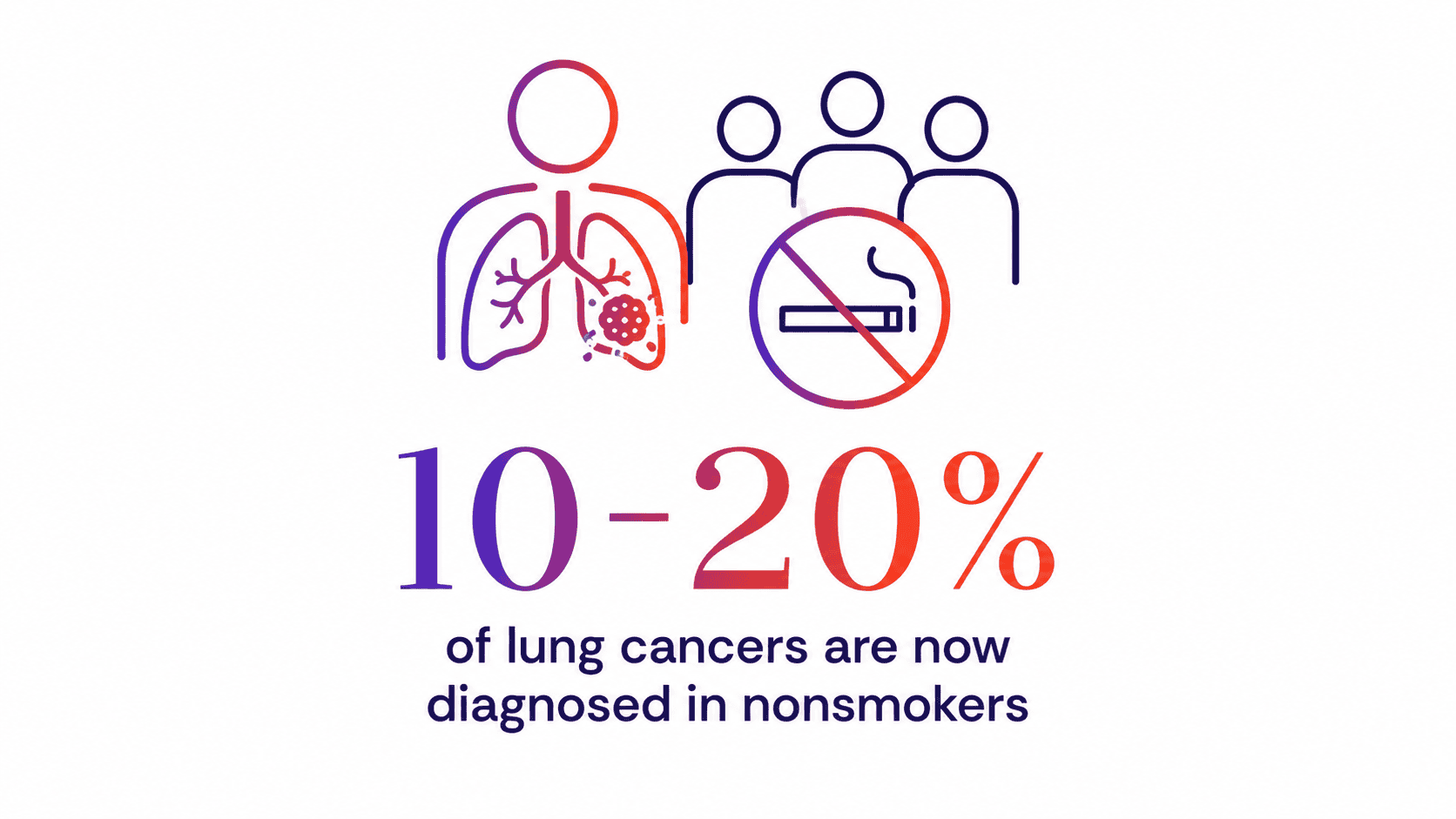
Current data indicates that between 10% and 20% of all lung cancer diagnoses now occur in individuals who have never smoked. This is not merely a statistical anomaly; it is a signal that lung cancer is evolving into a distinct disease entity, characterized by unique biological drivers, specific demographic predilections, and a requirement for entirely different therapeutic strategies.
The Main Facts: A New Disease Paradigm
Lung cancer in never-smokers is fundamentally different from the disease traditionally associated with tobacco. While smoking-related lung cancer is typically the result of thousands of DNA mutations caused by the toxic chemicals found in cigarettes, LCINS is often "molecularly driven." This means that the tumors in nonsmokers are frequently fueled by a smaller, more specific set of genetic mutations.
Key Characteristics of LCINS:
- Demographic Skew: Two-thirds of LCINS cases occur in women, with a notably higher incidence among women of Asian descent.
- Genetic Drivers: These cancers are often driven by specific, targetable mutations (such as EGFR, ALK, or ROS1), which differ significantly from the "high-mutation burden" seen in smoking-related cases.
- Disease Type: The most prevalent form of LCINS is adenocarcinoma, a subtype of non-small cell lung cancer (NSCLC). Small cell lung cancer (SCLC), conversely, remains almost exclusively associated with heavy tobacco use.
Chronology of a Shifting Landscape
The recognition of LCINS as a distinct clinical category is a relatively recent development in the history of oncology.
- Mid-20th Century: The causal link between smoking and lung cancer was solidified, creating a public health focus that prioritized tobacco cessation above all other research avenues.
- Early 2010s: Oncologists began reporting a subtle but consistent uptick in "never-smoker" patients, particularly younger women and those in urban environments with high air pollution.
- 2020–2025: Large-scale genomic sequencing projects began to reveal that the "mutational landscape" of tumors in nonsmokers was significantly less complex than that of smokers, yet highly dependent on specific oncogenic drivers.
- 2026 (The Present): The medical community now treats LCINS as a separate diagnostic category. The rise of extreme weather events, such as the 2026 Canadian wildfires, has brought the role of environmental particulate matter into the national conversation, further highlighting that air quality is a public health crisis that transcends the individual choice to smoke.
Supporting Data: The Environmental Triad
Why are these cases rising? The consensus among researchers is that there is no single "smoking gun." Instead, the increase is attributed to a synergy of environmental and biological factors.
1. The Radon Factor
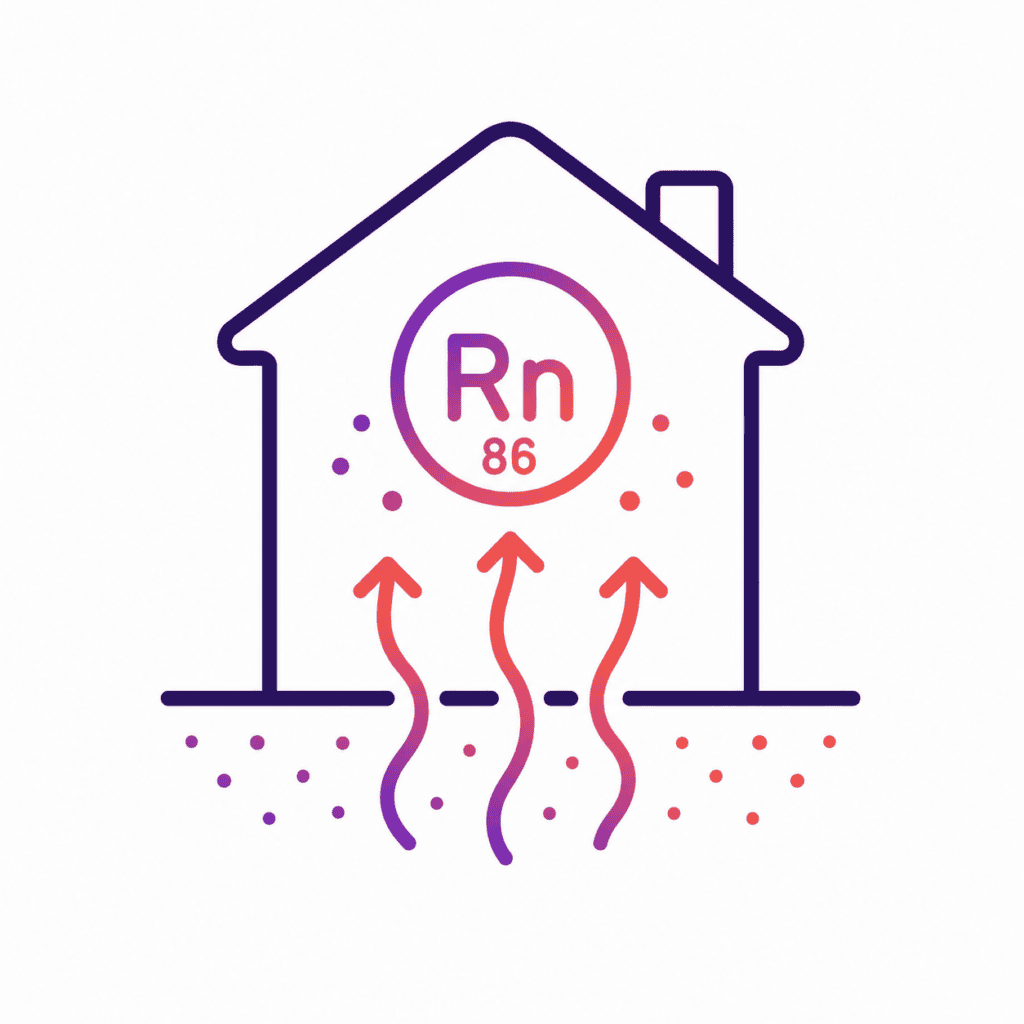
Radon is the leading cause of lung cancer among never-smokers. A radioactive gas produced by the natural decay of uranium in the earth, it is odorless, colorless, and tasteless. It infiltrates homes through cracks in foundations and settles in poorly ventilated areas. Once inhaled, the radioactive particles deposit in the lungs, causing direct DNA damage. The danger is so prevalent that the EPA and other global health agencies recommend testing every home with an inexpensive kit.

2. Particulate Matter (PM2.5) and Urbanization
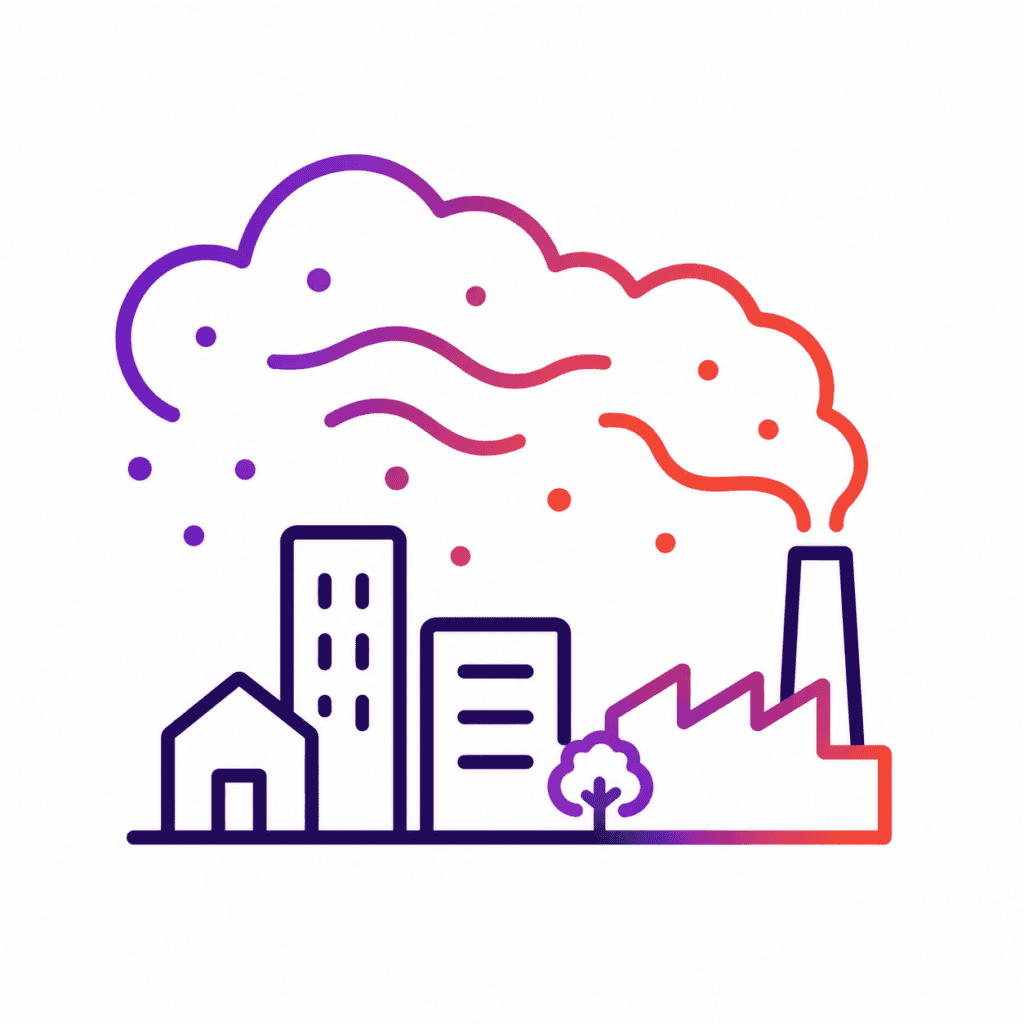
Air pollution, specifically fine particulate matter measuring 2.5 micrometers or smaller (PM2.5), acts as a silent carcinogen. These particles are small enough to travel deep into the bronchial tree, where they induce chronic inflammation. This inflammation creates a fertile environment for tumor growth. While the World Health Organization (WHO) sets a safety threshold of 5 µg/m³, many of the world’s most populous cities see levels exceeding 50 µg/m³, creating a massive global disparity in cancer risk.
3. The Impact of Climate Change
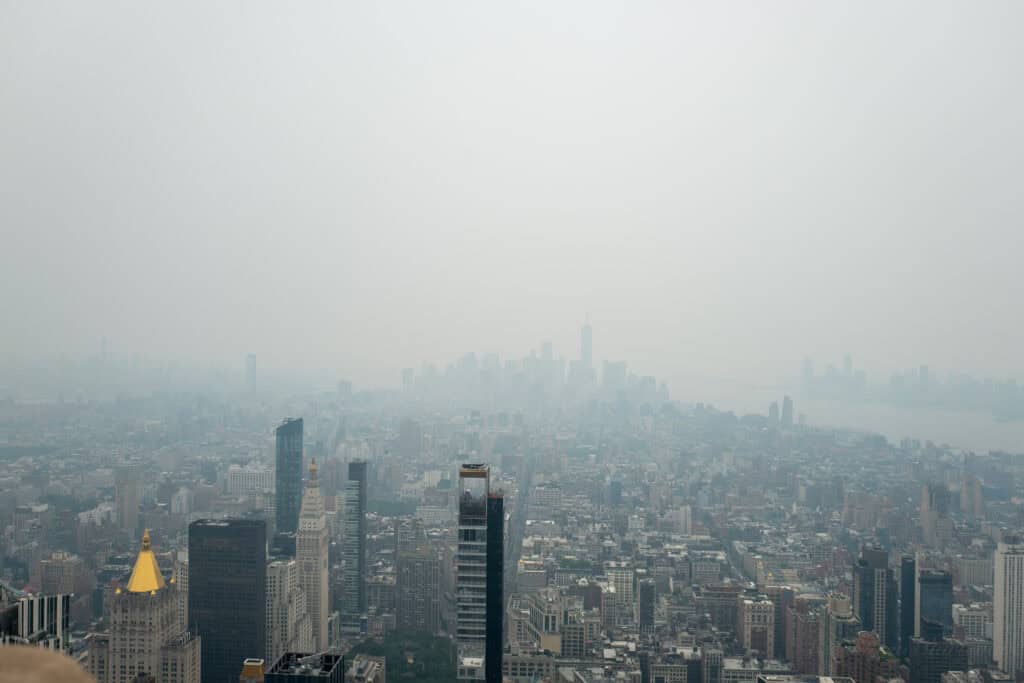
The 2026 wildfire season serves as a grim case study. As wildfires increase in frequency and intensity, they release unprecedented amounts of PM2.5. In the summer of 2026, air quality index readings in the New York City metro area reached hazardous levels (exceeding 175 µg/m³), underscoring that the environment we live in is becoming a significant, and perhaps unavoidable, risk factor.
Official Responses and Clinical Implications
The healthcare system is currently struggling to adapt to this "new" patient demographic. Because screening guidelines (such as low-dose CT scans) are almost exclusively targeted at heavy smokers aged 50 and older, nonsmokers often present at an advanced stage.
The Diagnostic Barrier
Symptoms of LCINS—such as a persistent cough, shortness of breath, or chest pain—are frequently dismissed as asthma, allergies, or bronchitis. For a nonsmoker, the thought of lung cancer is often the last thing a patient or physician considers, which leads to delayed diagnosis and lower survival rates.
The Shift in Treatment Strategy
The most significant implication for LCINS is the shift toward Precision Oncology.
- Targeted Therapy: Because LCINS tumors often have specific mutations, they are frequently excellent candidates for oral "targeted" therapies that inhibit specific tumor-growth proteins.
- The Immunotherapy Challenge: Immunotherapy, which "releases the brakes" on the immune system to fight cancer, has been a miracle for many, but it is often less effective in LCINS patients. This is because these tumors typically have fewer mutations, making them "invisible" to the immune system. Researchers are now focusing on combination therapies—pairing immunotherapy with chemotherapy or targeted agents—to boost the body’s recognition of these tumors.
Looking Ahead: A Call for Awareness
The rising incidence of lung cancer in never-smokers does not suggest that the fight against smoking is over; rather, it indicates that the fight for lung health must expand. The future of oncology lies in our ability to distinguish between these two disease processes.
Recommendations for the Public:
- Test Your Home for Radon: It is an inexpensive, life-saving measure that should be standard for every homeowner.
- Understand Your Environment: Be aware of local air quality. On days with high PM2.5 levels, limit outdoor exposure and use HEPA air filtration indoors.
- Advocate for Your Health: If you experience persistent respiratory symptoms, do not let a history of being a "never-smoker" prevent you from asking for a chest X-ray or a low-dose CT scan. Early detection remains the most powerful tool in reducing mortality.
As researchers continue to decode the biology of LCINS, the focus is shifting from "blame" to "biology." By identifying the genetic drivers and environmental triggers, we are moving toward a future where lung cancer is treated with the same precision and urgency for every patient, regardless of their smoking history. The progress being made in labs across the globe is not just a scientific victory—it is a lifeline for the thousands of people who never expected to find themselves in the shadow of this diagnosis.