











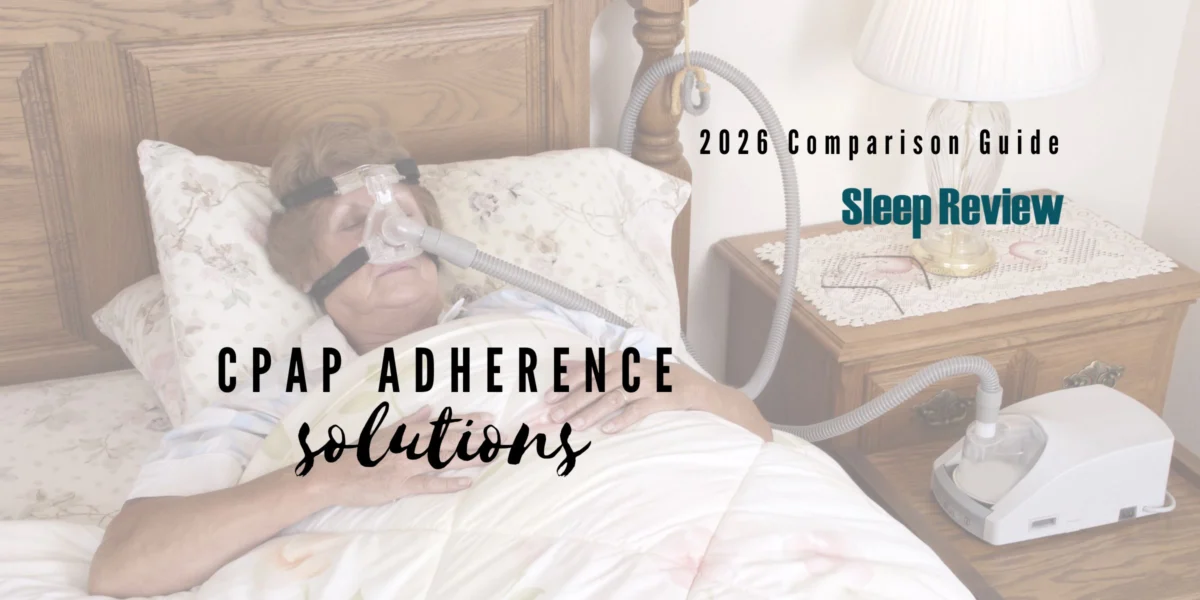
Continuous Positive Airway Pressure (CPAP) therapy remains the undisputed "gold standard" for the treatment of obstructive sleep apnea (OSA). For millions, it is the difference between a life of chronic fatigue and one of restorative health. Yet, despite its clinical efficacy, CPAP therapy is notoriously plagued by low patient adherence. The reality of the modern sleep medicine landscape is that the clinical success of a device is only as good as the patient’s willingness—and ability—to use it.
Compounding this challenge is the rigid regulatory and financial framework imposed by payors. In the United States, if a patient is not deemed "compliant"—typically defined as using the device for a set number of hours over the first 90 days—insurance coverage is frequently revoked. This "all-or-nothing" window places immense pressure on sleep disorders centers, private practices, and Durable Medical Equipment (DME) providers. To combat high attrition rates, these entities are increasingly turning to a growing market of specialized third-party vendors who provide outsourced CPAP adherence management, shifting the burden from internal staff to technology-driven, scalable solutions.
The Adherence Crisis: Why Sleep Labs Are Outsourcing
For many smaller sleep labs and private practices, the administrative overhead required to ensure compliance is overwhelming. Managing adherence is not merely about tracking data; it requires constant, proactive patient engagement, real-time intervention when leaks or discomfort arise, and continuous education.
In a traditional setting, a clinician might spend hours each week manually reviewing reports, calling patients, and troubleshooting mask fits. For a busy practice with limited staff, this is resource-heavy and inefficient. By outsourcing this to specialized vendors, practices gain access to dedicated teams who leverage sophisticated telemonitoring, automated SMS reminders, and Artificial Intelligence (AI) to maintain the "human touch" without the associated labor costs. These vendors do not just chase the 90-day compliance metric; they aim for long-term patient success, ensuring that therapy remains a sustainable habit well into the future.
Chronology of Care: From Diagnosis to Long-Term Habituation
The journey of a sleep apnea patient is rarely linear. It begins with the initial diagnosis and the daunting "first night" on CPAP.
Phase 1: The Critical 90-Day Window
This is the period of highest risk for dropout. Patients are often overwhelmed by the physical discomfort of the mask, the noise of the device, or the psychological adjustment to wearing equipment while sleeping. During this phase, vendors like BetterNight and Neru Health utilize proprietary data analytics to monitor usage patterns in real-time. By identifying non-adherence early—often before the patient even reports a problem—these systems allow for targeted coaching that can save a patient from failing the insurance compliance threshold.
Phase 2: The Maintenance Phase (90 Days to 1 Year)
Once the initial compliance hurdle is cleared, the focus shifts to sustainability. Research has shown that engagement often drops off after the first three months. Modern solutions, such as ResMed’s myAir or sovaSage’s “Jeanie”, utilize gamification, automated progress reporting, and educational content to keep the patient motivated. By providing patients with a window into their own data, these platforms empower them to self-resolve minor issues, reducing the need for clinical intervention.
Phase 3: The Long-Term Continuum
The goal of modern sleep management is to turn a medical device into a lifestyle fixture. Vendors like rtNOW emphasize the human-to-human connection, pairing patients with consistent respiratory therapists (RTs) to build long-term trust. This relationship-based approach is often cited as the key to moving beyond the 90-day mark and into years of successful, uninterrupted therapy.
Supporting Data: Measuring the Efficacy of Digital Solutions
The shift toward digital and outsourced management is backed by significant data. The industry has moved away from subjective reporting toward objective, real-time analytics.
- ResMed’s myAir & AirView: Studies have indicated that patients using these digital tools are twice as likely to achieve 90-day compliance compared to non-users. Furthermore, integration with AirView has been shown to improve compliance rates by up to 17% over standard monitoring alone.
- Neru Health: By utilizing a hybrid AI-human model, Neru has demonstrated a 10–20% increase in Medicare adherence rates and a 34% reduction in call volumes to clinical teams, proving that automation can actually improve the quality of human interaction.
- Sanusom Inc: Their intervention engine has been credited with driving 90-day compliance rates 16% higher than the industry average, with 180-day adherence rates surging 33% above the baseline.
- sovaSage Inc: With over 500,000 patients managed, their platform demonstrates an average ROI of 200% to 800%, highlighting that the cost of outsourcing is often significantly lower than the cost of lost revenue from non-compliant patients.
Official Perspectives: How the Market Leaders Are Responding
The market for adherence solutions is diverse, offering everything from purely AI-driven platforms to high-touch, RT-led models.
The Tech-First Approach:
Companies like BetterNight utilize their Clarity software to exception-manage tens of thousands of patients. Their focus is on objective reporting, ensuring that clinical teams only intervene when the data suggests a genuine barrier to therapy. Similarly, sovaSage focuses on "fully integrated, automated workflows," using AI as the primary gatekeeper to escalate issues to human coaches only when necessary.
The Human-Centric Model:
rtNOW stands out for its commitment to the "human-in-the-loop" philosophy. By focusing on a consistent relationship between a respiratory therapist and the patient, they have achieved an 83% adherence rate across a large, diverse patient base. This model acknowledges that while technology can track data, empathy and expertise are often required to solve complex physiological or psychological barriers to therapy.
The Comprehensive Suite:
VGM Total Sleep Services provides an "all-in-one" approach, managing everything from initial mask fitting and machine dropship to long-term compliance and asset recovery. This is particularly valuable for HMEs and DMEs that want to outsource the entire operational lifecycle of sleep therapy.
Implications for the Future of Sleep Medicine
The trend toward outsourcing CPAP adherence management has profound implications for the healthcare ecosystem:
1. Shift to Value-Based Care
As the industry moves toward value-based reimbursement models, payors will increasingly demand proof of long-term therapy efficacy rather than just short-term compliance. Vendors that can prove multi-year adherence will become essential partners for health systems.
2. The Democratization of Support
AI-powered coaching, such as the Neru Health AI CPAP Coach, allows for 24/7 support regardless of geography. This helps level the playing field, ensuring that patients in rural or underserved areas receive the same level of care as those in major metropolitan sleep centers.
3. Redefining the Role of the Clinician
The role of the sleep technician or respiratory therapist is evolving. Instead of being "data clerks" who spend their day checking compliance reports, they are becoming "sleep coaches" who intervene only when the technology signals an issue. This elevates the clinician’s role, allowing them to focus on high-acuity cases while the software handles the routine monitoring of the general population.
4. Operational Scalability
For smaller private practices, the ability to partner with a vendor like Sanusom or BetterNight means they can scale their patient load without scaling their payroll. This economic efficiency is crucial for the survival of independent sleep practices in a market dominated by large, consolidated health systems.
Conclusion: A Collaborative Future
The "compliance crisis" in sleep medicine is not a failure of the CPAP technology itself, but a challenge of patient support and habit formation. By leveraging a combination of AI-driven analytics, proactive engagement platforms, and skilled clinical oversight, the industry is finding ways to turn the "gold standard" of therapy into a reality for more patients.
Whether a practice chooses a fully automated platform or a hybrid model involving human respiratory therapists, the evidence is clear: those who embrace these digital and outsourced tools are better positioned to meet the demands of payors and, more importantly, to improve the long-term health outcomes of their patients. As the industry looks toward the future, the integration of these solutions will likely become the new baseline for standard practice in sleep medicine, ensuring that no patient is left behind in their journey toward better sleep.