For over two millennia, the medical community’s strategy against cancer has been rooted in a singular, aggressive philosophy: the "scorched earth" approach. From the rudimentary surgical excisions of the ancient Greeks to the high-tech precision of modern immunotherapy, the primary objective has remained unchanged—to locate, attack, and eradicate malignant cells.
However, a burgeoning movement in oncological research is beginning to challenge the wisdom of this perpetual warfare. Spearheaded by Professor Indraneel Mittra at the Advanced Centre for Treatment, Research and Education in Cancer (ACTREC) in Mumbai, India, a radical paradigm shift is emerging. The question is no longer just how to kill cancer, but whether we might coax it into a state of "healing."
The Philosophy of the "Non-Healing Wound"
The conceptual foundation for this shift was laid in 1986, when Dr. Harold Dvorak famously published a landmark article in the New England Journal of Medicine. In it, Dvorak proposed that cancer should be viewed as a "wound that never heals."
This analogy is more than poetic; it is biological. Both chronic wounds and tumors share a complex microenvironment characterized by persistent inflammation, the recruitment of immune cells, and the abnormal growth of blood vessels. Traditional treatments—chemotherapy, radiotherapy, and surgery—often exacerbate this inflammatory cycle by damaging tissues and inducing further cell death, which in turn can trigger more aggressive tumor behavior.
Professor Mittra argues that by treating a tumor as an entity capable of returning to a benign, healed state, we might bypass the collateral damage associated with conventional therapy. This approach prioritizes biological regulation over physical destruction.
A Breakthrough in Glioblastoma Research
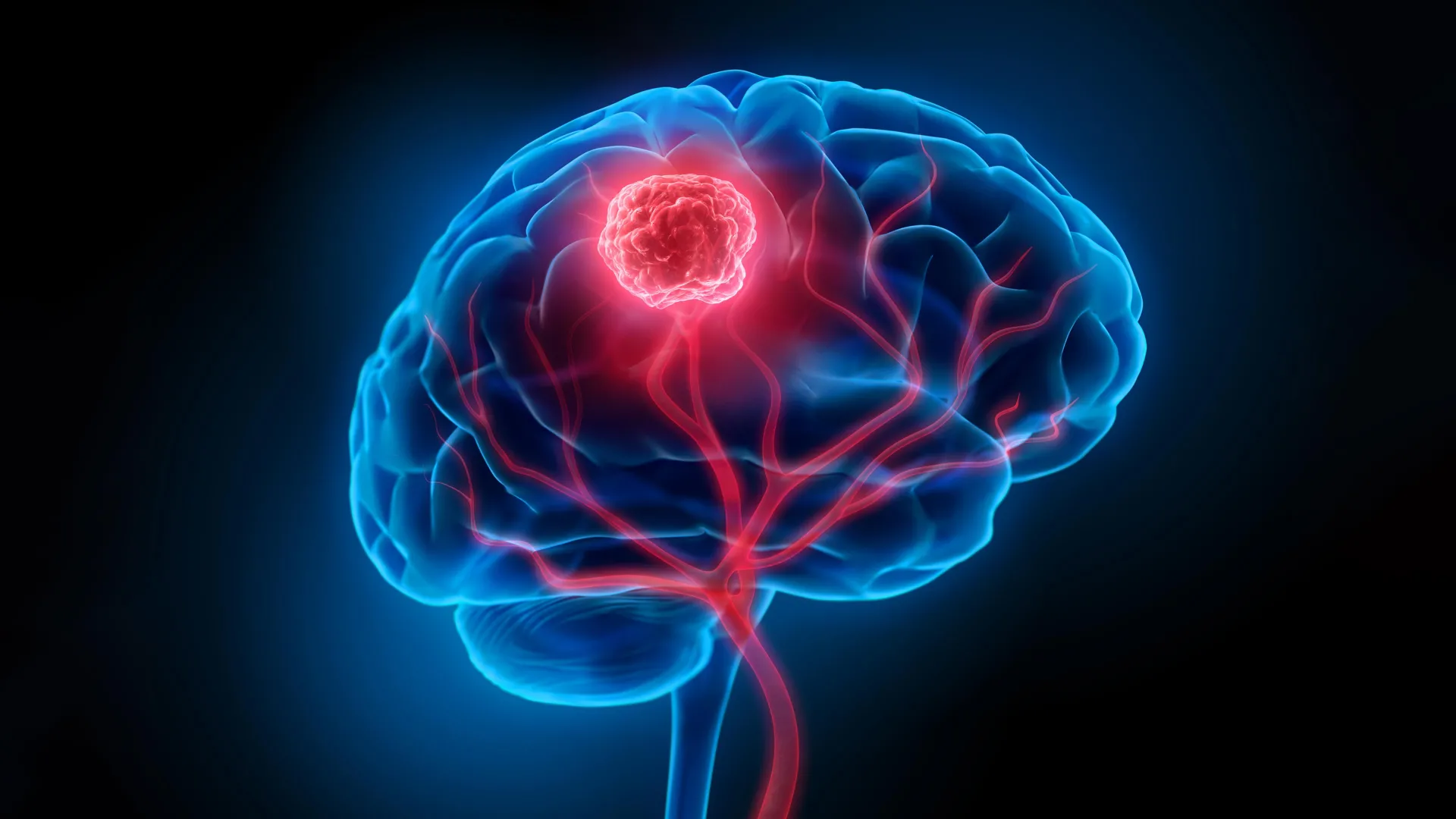
The most compelling evidence for this "healing" approach comes from a recent study focused on glioblastoma—a diagnosis that remains one of the most devastating in oncology. With a median survival rate of only 15 months, glioblastoma is characterized by its relentless growth and resistance to current therapeutic modalities.
In a study published in BJC Reports, Professor Mittra and his team conducted a clinical trial with ten glioblastoma patients. The intervention was deceptively simple: a tablet containing a precise combination of two low-cost nutraceuticals, resveratrol and copper.
The Chronology of the Clinical Investigation
- Pre-Surgical Intervention: Ten patients were administered the nutraceutical tablet four times daily for an average of 11.6 days prior to their scheduled craniotomy.
- The Control Group: A secondary group of ten patients, matched for tumor aggression and clinical profile, did not receive the nutraceuticals.
- Microscopic Analysis: Following surgery, tumor samples from both groups were subjected to rigorous scrutiny, including transcriptome analysis, immune-staining, and high-resolution microscopy.
- Clinical Observations: Throughout the study, the researchers monitored patients for adverse reactions, reporting a complete absence of side effects—a stark contrast to the toxicity profiles of standard chemotherapeutic agents.
Data Analysis: The Biological Shift
The findings of the study were, by all accounts, transformative. While the untreated tumors displayed the chaotic, aggressive cellular signatures typical of glioblastoma, the treated tumors showed a significant shift in their biological behavior.
The researchers observed that the nutraceutical tablets effectively down-regulated key markers of tumor progression. Even more remarkably, the treatment influenced the immune system’s interaction with the tumor, suggesting that the tablets were not merely suppressing the cancer, but actively normalizing the microenvironment.
The Mechanism: Neutralizing Cell-Free Chromatin
The secret to this success lies in the interaction between resveratrol and copper on cell-free chromatin particles (cfChPs).
In the process of natural cell turnover, or when cancer cells are damaged by radiation or chemotherapy, they release fragments of DNA—cfChPs—into the bloodstream and the surrounding tissue environment. Professor Mittra’s previous research established that these fragments are not inert; they are "pro-inflammatory" and "pro-tumorigenic." When surviving cancer cells encounter these cfChPs, they become inflamed and increasingly aggressive.
"The cell-free chromatin particles act as a catalyst for the disease," explains Professor Mittra. "They essentially ‘teach’ surviving cancer cells to become more resilient and aggressive. By combining resveratrol and copper, we create an environment where these particles are deactivated or destroyed."
The study confirmed that in the treated patient group, cfChPs were almost entirely absent, whereas they remained abundant in the untreated control group. The team posits that the treatment encourages cancer cells to undergo apoptosis (programmed, clean cell death) rather than a messy, inflammatory death that would release harmful DNA fragments.
Implications for Global Oncology
The implications of these findings extend far beyond the treatment of glioblastoma. They offer a blueprint for a more accessible, scalable, and humane approach to cancer therapy.
The Economics of Care
Perhaps the most striking aspect of this research is the cost. Current immunotherapy, such as immune checkpoint inhibitors, has revolutionized cancer treatment but remains prohibitively expensive, often costing hundreds of thousands of dollars per patient. By contrast, the nutraceutical combination of resveratrol and copper is exceptionally inexpensive.
If future, larger-scale trials confirm that this combination can effectively downregulate immune checkpoints—a feat currently achieved only by high-cost, high-toxicity pharmaceuticals—it could democratize access to advanced cancer care. For developing nations, where the cost of modern oncology is often a barrier to entry, this could be a game-changer.
A Paradigm Shift in Treatment
The medical community is naturally cautious, and the small sample size of the initial study necessitates further validation. However, the data provides a strong impetus for large-scale, randomized controlled trials. If the results are replicated, the "healing" model could eventually be integrated into standard protocols, potentially as an adjuvant therapy that reduces the need for aggressive radiation or chemotherapy.
Expert Perspectives and Future Directions
Professor Mittra remains optimistic but grounded. "We have been trying to kill cancer cells for 2,500 years, since the time of the ancient Greeks, without success," he notes. "It is time to look at cancer treatment differently."
The scientific community is currently evaluating how this approach might integrate with existing standards of care. Researchers are particularly interested in whether the "healing" strategy could prevent tumor recurrence, which is the primary cause of mortality in glioblastoma patients. By creating a hostile environment for cfChPs, the treatment may prevent the "seeding" of new, more aggressive tumor cells, effectively turning a lethal malignancy into a chronic, manageable, or even benign condition.
The research was supported by the Department of Atomic Energy, Government of India, through the Tata Memorial Centre. This institutional backing underscores the legitimacy of the study and paves the way for continued exploration.
Conclusion: A New Dawn?
The transition from a "destroyer" mindset to a "healer" mindset is a profound psychological and scientific shift. It requires moving away from the binary of "kill or be killed" and toward an understanding of cancer as a systemic imbalance that can be corrected.
While the journey from a small clinical trial to global clinical practice is long and rigorous, the work of Professor Mittra and his colleagues at ACTREC serves as a beacon of hope. It suggests that the most powerful solutions to our greatest health challenges might not always be the most expensive or the most aggressive—sometimes, they may be found in the subtle, precise, and gentle art of biological healing.
As we look toward the future, the prospect of turning the tide against cancer—not by waging war, but by fostering recovery—remains one of the most exciting frontiers in modern medicine. The "wound that never heals" may finally have found a remedy.