








In an era where modern medicine often focuses on symptom management, the ancient science of Ayurveda offers a radically different paradigm: the restoration of systemic balance. At the heart of Ayurvedic practice lies the pursuit of harmony between the mind, body, and consciousness. When this equilibrium is disrupted, manifesting as psychosomatic distress, Ayurveda dictates a deliberate, two-pronged approach: Shamanam (pacification) and Shodanam (cleansing).
As we transition into the winter months—a period governed by the heavy, cold, and dense qualities of the Kapha dosha—Ayurvedic practitioners increasingly turn to Nasya, a specialized nasal administration therapy, to facilitate seasonal purification. This article explores the physiological, historical, and practical dimensions of Nasya, providing a guide to integrating these ancient practices into modern wellness routines.
The Foundational Principles of Ayurvedic Cleansing
Ayurveda operates on the understanding that disease is a byproduct of imbalance. Before any therapeutic intervention begins, a practitioner must determine the patient’s current state. If an individual is physically depleted or fragile, "pacification" (Shamanam) is the mandatory first step. By removing the root cause of the distress and nourishing the body’s depleted tissues, the system is prepared for the more rigorous process of purification.
Only once the body has been sufficiently strengthened can Shodanam—the systematic detoxification process—commence. The pinnacle of this purification strategy is Panchakarma. The term is derived from two Sanskrit words: Pancha (five) and Karma (action). These five actions are designed to purge the body of accumulated toxins (Ama) that obstruct the srotas (the subtle channels of the body). Among these five methods, Nasya holds a unique position, acting as the primary gateway to the central nervous system.
The Physiology of Nasya: The Nose as the Gateway to Consciousness
In the Ayurvedic tradition, the nose is poetically described as the "door to the brain and consciousness." Unlike oral medication, which must undergo the slow process of digestion, substances administered through the nasal passage interact directly with the Majja Dhatu (the nervous tissue).
The Mechanism of Action
When a herbal preparation is inhaled, it travels through the nasal cavity, interacting with the cribriform plate—a porous bone structure that serves as a direct pathway to the brain. This inhalation triggers a sophisticated chain reaction:
- Mechanical Stimulation: The introduction of foreign particles stimulates the membranes surrounding the brain (the meninges).
- Respiratory Feedback: The therapy induces a rhythmic movement in the diaphragm.
- Circulatory Enhancement: This pumping action optimizes the circulation of cerebrospinal fluid (CSF) and promotes increased venous and arterial flow, effectively "flushing" the neural pathways.
By purifying the Nadis (the "rivers of life" or energy channels), Nasya not only cleanses the physical sinus cavities but also recalibrates the breathing pattern, leading to heightened mental clarity and sensory perception.
Seasonal Alignment: Managing the Kapha Winter
Winter is definitively the Kapha season. Its hallmarks—coldness, heaviness, density, and lethargy—mirror the characteristics of the Kapha dosha. When these qualities accumulate in excess, they manifest as congestion, weight gain, depression, and a "cloudy" or sluggish mind.
To counter these, Ayurveda recommends the introduction of heating, drying, and expansive herbal properties. Nasya is uniquely suited for this purpose, as it directly targets the sinus regions where Kapha tends to accumulate during the colder months. By using pungent and bitter herbs, one can "cut through" the density of Kapha, revitalizing the prana (life force) and restoring the body’s natural metabolic fire.
Professional Perspectives and Clinical Implications
While traditional texts provide the blueprint for Nasya, modern medical professionals suggest that such practices should be approached with clinical awareness. The practice of introducing substances into the nasal cavity is potent; therefore, the selection of ingredients must be precise.
The Role of Vacha (Calamus Root)
Vacha is perhaps the most revered herb for winter Nasya. Its energetics are inherently heating, pungent, and bitter—the exact antithesis of the cold, heavy Kapha energy.
- The Benefit: Vacha acts as a scavenger for toxins. By clearing the srotas, it revitalizes the flow of prana throughout the body.
- The Application: A mere pinch of high-quality, finely ground calamus root powder is inhaled into each nostril.
- The Reaction: Sneezing is not only expected but encouraged. It is viewed as a therapeutic release, an opening of the brain centers that allows for the expulsion of stagnant energy.
The Ginger-Jaggery Protocol
For those seeking a more accessible home remedy, the ginger and jaggery infusion is a staple. Ginger provides the necessary heat, while jaggery serves as a carrier that softens the harshness of the ginger, allowing for a balanced application.
Preparation Instructions:
- Ingredients: 1 tsp of freshly grated ginger and 1 tsp of high-quality, organic jaggery.
- Extraction: Combine the ingredients with 1/3 cup of water. Allow the mixture to steep, then strain through a clean cheesecloth, squeezing firmly to extract the potent essence.
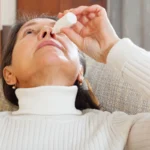
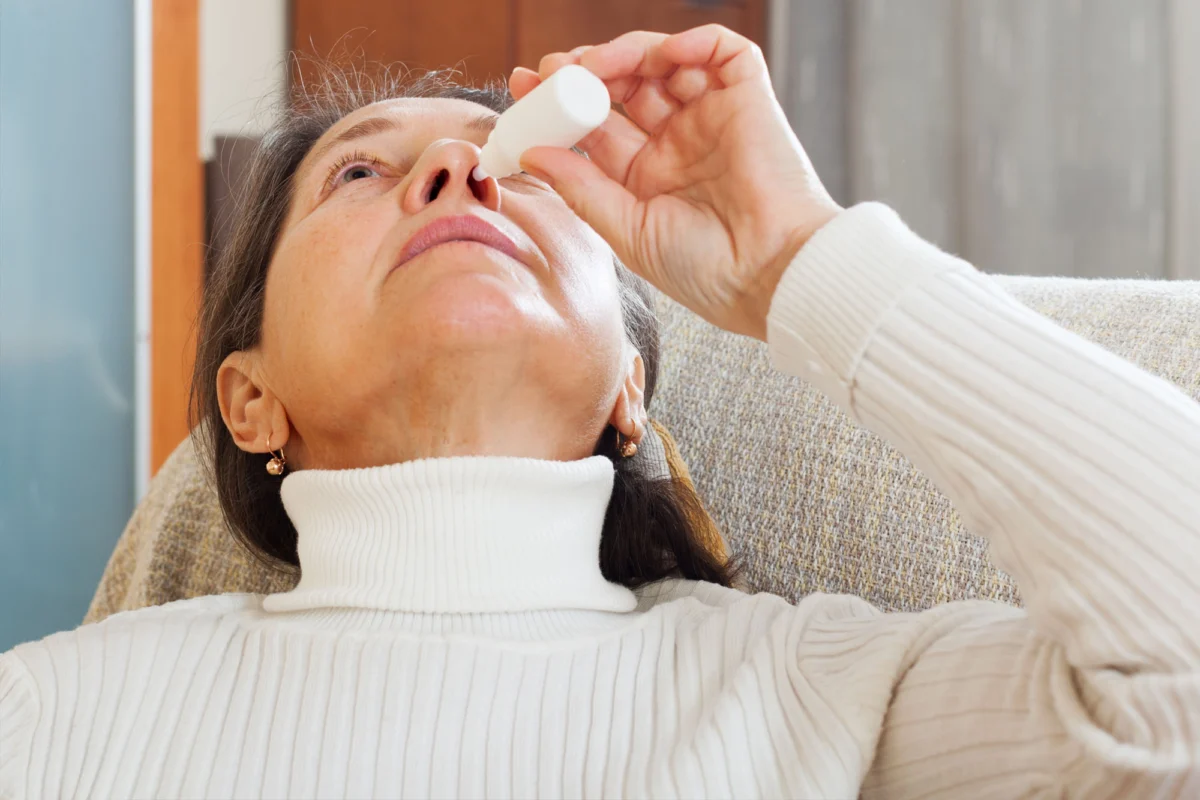
- Application: Using a clean dropper, apply 2-3 drops into each nostril.
- Note: This mixture must be prepared fresh for every single use to avoid bacterial contamination.
Users often report an immediate, sharp burning sensation, followed by a flush of the eyes and nose. This is quickly replaced by an "after-glow"—a feeling of lightness and mental exhilaration that signifies the clearing of the sinus passages.
Safety and Ethical Considerations
The practice of Nasya, while deeply beneficial, is not without contraindications. Practitioners warn against the use of Nasya in individuals with acute structural nasal injuries, those who have recently consumed alcohol, or those who are currently suffering from severe, acute fever.
Furthermore, because Nasya directly affects the brain, the quality of the herbs used is paramount. Impure powders or contaminated water can lead to infections. It is a standard of the Ayurvedic community that one should always consult with a certified health professional before introducing self-administered Nasya into a wellness routine, particularly for individuals with existing neurological or respiratory conditions.
Implications for Modern Lifestyle
In the modern context, we are constantly bombarded by external stressors that clog our senses. Our reliance on screens and our sedentary indoor winter lifestyles exacerbate the "cloudiness" that Ayurveda warns against. Integrating Nasya is more than a traditional ritual; it is a conscious decision to clear the sensory intake valves of the body.
The implication of incorporating these ancient methods is a more resilient, alert, and vibrant state of being. By acknowledging the seasonal shifts in our environment and responding with the appropriate herbal medicines, we bridge the gap between ancient wisdom and the modern quest for peak health.
Conclusion: A Holistic Commitment
Ayurveda is not merely a system of medicine but a holistic commitment to the observation of nature. As the world turns cold and the winter months bring the lethargy of the Kapha season, we are reminded that our internal state must be actively managed to maintain vitality. Through the disciplined application of Nasya—using the pungent heat of ginger or the sharp, cleansing power of Vacha—we can clear the physical and energetic obstructions that hold us back.
As with all potent therapies, the key lies in the balance between the "action" (Karma) and the intent. Whether one is seeking relief from chronic sinus congestion or simply aiming to improve mental clarity for the year ahead, the door to the brain remains open, waiting for the gentle, transformative touch of these ancient, time-tested remedies.
Disclaimer: This article is for informational purposes only. The practices described, specifically those involving the administration of substances into the nasal cavity, should only be undertaken after consultation with a qualified Ayurvedic practitioner or healthcare professional. Always prioritize safety and purity of ingredients when performing cleansing therapies.