











In the United States, the maternal healthcare system is at a critical juncture. As hospitals in rural and underserved areas continue to shutter their maternity wards and the pipeline of incoming obstetricians faces stagnation, the nation is grappling with a widening access crisis. Amidst this uncertainty, a paradigm shift is gaining momentum: the integration of Certified Nurse-Midwives (CNMs) into hospitalist programs.
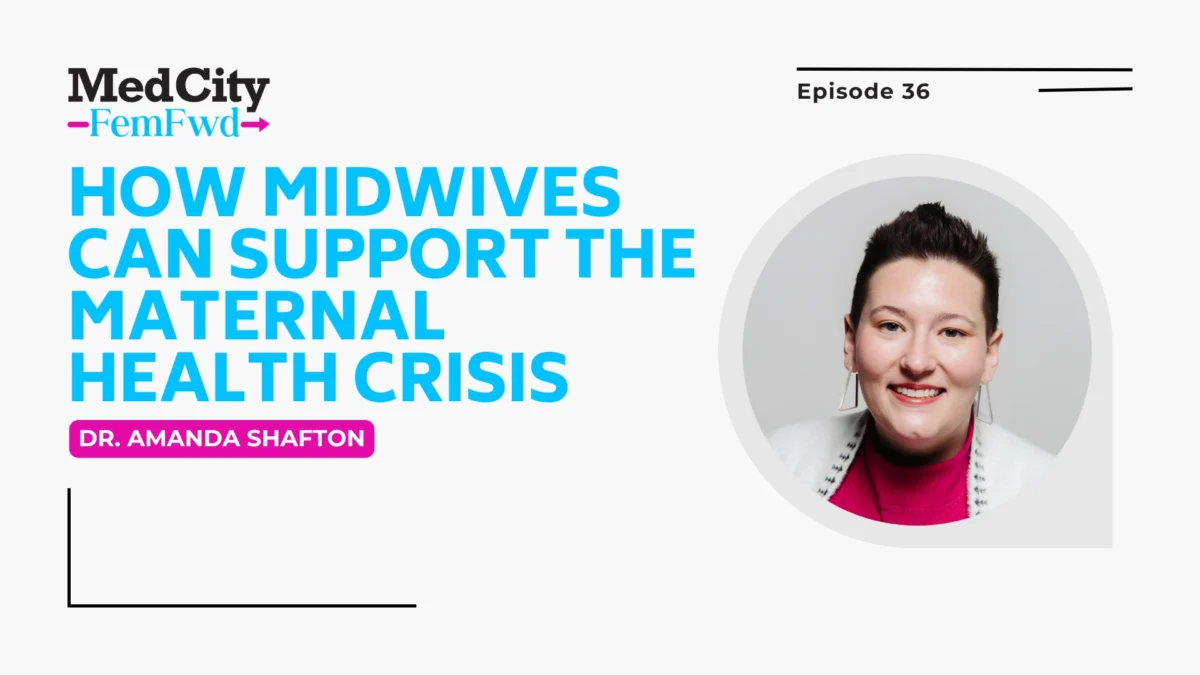
In a recent episode of the MedCity FemFwd podcast, Dr. Amanda Shafton, a practicing CNM and the National Director of Midwifery at the OB Hospitalist Group (OBHG), sat down with host Marissa Plescia to discuss how the collaborative model of physician-midwife care is not only filling staffing gaps but demonstrably improving clinical outcomes.
The Evolution of the Collaborative Care Model
For decades, the American medical system often maintained a rigid distinction between obstetrician-led care and midwifery. However, the current model championed by organizations like OBHG—the nation’s largest employer of obstetricians and midwives—seeks to dissolve these silos.
The "hospitalist" model functions as a safety net. Whether a patient is under the care of a private physician, lacks prenatal care entirely, or is simply visiting from out of town, the hospitalist team is designed to provide 24/7 coverage. Dr. Shafton emphasizes that in this environment, patients are not categorized as "midwife patients" or "doctor patients." Instead, they are cared for by a unified team.
"We find that when we look at our data at OBHG, our teams that have a doctor and a midwife outperform all other versions of our teams," Shafton explained. "There is something really magical about that collaborative care of bringing obstetrics and midwifery together to care for people."
The "Wellness Model" in a Medicalized Environment
At the heart of the midwifery philosophy is the concept of the "wellness model." While obstetrics is frequently focused on the medical management of pregnancy, midwifery prioritizes the physiological normalcy of the birth process.
Defining the Midwifery Edge
Midwives are often described as "experts in normal." By focusing on education, patient agency, and minimizing unnecessary medical interventions, they bring a distinct approach to the labor and delivery floor.
- Higher rates of vaginal birth: Data suggests that midwifery-led care is associated with higher success rates for spontaneous vaginal births.
- VBAC success: Midwives are statistically more likely to support successful vaginal births after cesarean sections (VBACs).
- Informed decision-making: A cornerstone of the midwife-patient relationship is ensuring the patient has the time and information necessary to lead the decision-making process.
"At the end of the day, it’s not my baby and it’s not my birth," Shafton noted. "I want that person who is having the baby and that family to really make those decisions about what feels right for them."
Addressing the National Maternal Health Crisis
The United States currently faces a "looming" maternal health crisis, characterized by high mortality rates and the erosion of local access. As rural hospitals close, families are forced to travel increasingly long distances to receive prenatal and delivery care.
The Workforce Solution
Dr. Shafton argues that the pathway to becoming a CNM is a strategic solution to the workforce shortage. Because the educational trajectory for a midwife is generally shorter than that of a physician, the industry can scale its workforce more rapidly.
Furthermore, the collaborative model benefits the practitioners themselves. By sharing the heavy burden of 24/7 hospital coverage, the collaboration helps mitigate burnout for obstetricians, allowing for a more sustainable, long-term approach to full-scope practice.
The Role of Doulas
The team-based approach extends beyond medical providers. Modern hospitalist programs are increasingly embracing the presence of doulas—non-medical birth workers hired by the patient to provide physical and emotional support. In the collaborative model, the obstetrician, midwife, nurse, and doula function as a cohesive unit, all working toward the same goal: a healthy outcome and a positive patient experience.
Navigating Barriers: Access, Insurance, and Perception
Despite the clear benefits, systemic barriers remain. One of the primary challenges is public perception and the integration of midwives into hospital systems that have historically been physician-exclusive.
Insurance and Reimbursement
From an insurance perspective, the transition to midwifery-inclusive care has been largely successful. Whether a patient carries private insurance or public assistance, the reimbursement structure generally does not differentiate between a physician or a midwife for standard obstetric services.
However, a disconnect persists for those opting for community-based birth centers or home births. While organizations like OBHG focus strictly on the hospital setting, they recognize the importance of these community providers. A vital component of the hospitalist role is acting as a "safe place to land" for patients who choose to start their journey in a home or birth center but require an emergency transfer to a hospital.
The Path Forward: Advocacy and Education
Expanding the reach of midwifery care requires a two-pronged strategy: institutional adoption and public advocacy.
What Patients Can Do
Dr. Shafton suggests that patients are the most powerful advocates for change. When selecting an OB-GYN or a hospital for birth, patients should be proactive in asking questions:
- "Do you work with midwives?"
- "Are midwives part of your clinical care team?"
- "Do you have a hospitalist program that provides 24/7 support?"
These questions not only educate the patient but also force hospital administrators and private practices to acknowledge the public demand for collaborative, midwife-led options.
Institutional Implementation
For hospitals that have never utilized midwives, the "nitty-gritty" work of granting privileges and integrating new staff can be daunting. Organizations like OBHG are currently serving as intermediaries, helping facilities navigate the legal and procedural hurdles of incorporating midwifery into established workflows.
Conclusion: The Case for More Midwives
The evidence provided by Dr. Shafton and the OB Hospitalist Group paints a compelling picture. By blending the surgical expertise and medical oversight of obstetricians with the holistic, wellness-based focus of midwives, hospitals can create a more resilient, patient-centered system.
As the U.S. continues to struggle with maternal health outcomes that lag behind those of other developed nations, the integration of midwives into the core of the hospital system is no longer just an alternative option—it is a necessity. "I always think the answer is more midwives," Shafton concluded. "More midwives all the time."
By fostering environments where physicians and midwives operate as equals, the healthcare industry can improve clinical safety, increase patient satisfaction, and ensure that the most vulnerable populations have access to the care they deserve. The future of maternal health is collaborative, and it begins with normalizing the presence of midwives in every delivery ward across the country.