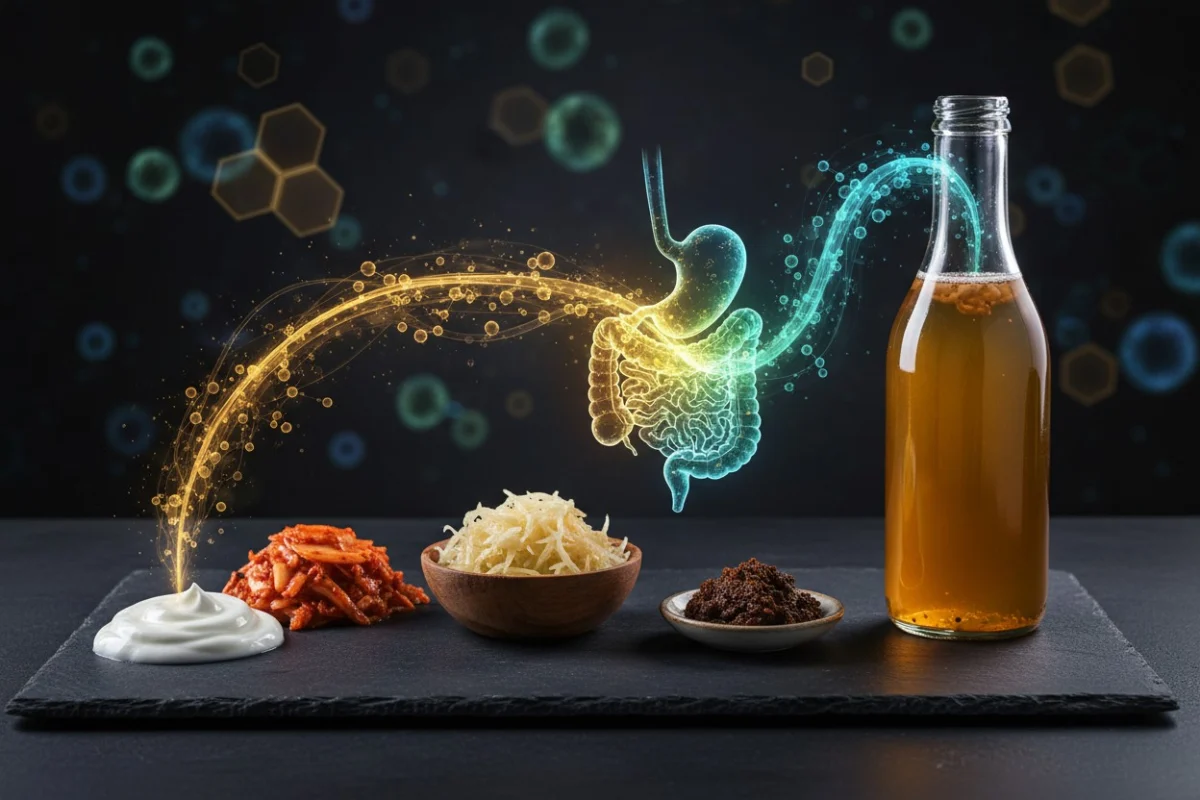
In the evolving landscape of nutritional science, a long-held assumption is being dismantled: the belief that the health benefits of fermented foods are exclusively tied to the survival of live probiotic bacteria as they navigate the human digestive tract. A comprehensive narrative review published in Frontiers in Nutrition on June 27, 2026, suggests that the true "magic" of fermentation lies not in the microbes themselves, but in the complex, postbiotic biochemical landscape they leave behind.
This shift in perspective—from "live bugs" to "bioactive metabolites"—is transforming how researchers categorize the functional benefits of fermented foods, ranging from yogurt and kimchi to sourdough and miso. By identifying a coordinated network of postbiotic compounds, scientists are beginning to understand how these foods simultaneously orchestrate improvements in gut health, immune function, and metabolic regulation.
The Core Findings: A Paradigm Shift in Nutrition
For decades, the public health narrative has focused on the "viability" of probiotics—the idea that millions of colony-forming units (CFUs) must reach the colon alive to confer health benefits. However, the recent review argues that the fermentation process creates a "nutrient-dense matrix" of compounds that remain biologically active regardless of whether the microbes are alive or dead at the time of consumption.
The Biochemical Engine of Fermentation
Fermentation is essentially a controlled biochemical factory. When microorganisms, such as lactic acid bacteria or yeast, break down the complex proteins, carbohydrates, and fibers inherent in raw food, they produce a symphony of new molecules. The review identifies four primary categories of these beneficial metabolites:
- Bioactive Peptides: These protein fragments are crucial for metabolic signaling, showing potential in regulating blood glucose levels and modulating systemic inflammation.
- Short-Chain Fatty Acids (SCFAs): Including acetate, propionate, and butyrate, these act as vital chemical messengers that facilitate communication between the gut and the rest of the body.
- Exopolysaccharides (EPS): These long-chain sugar polymers interact directly with the mucosal immune system, helping to modulate inflammatory responses.
- Organic Acids: These metabolites stabilize the gut environment, creating a pH balance that favors beneficial microbial strains while discouraging the growth of pathogens.
A Chronology of Discovery: From Ancient Craft to Modern Science
The history of fermentation is as old as civilization itself, but our understanding of its mechanism has moved through distinct eras.
- Pre-Scientific Era (Antiquity to 19th Century): Fermentation was utilized globally as a preservation technique, intuitively recognized as a way to enhance flavor and safety.
- The Microbiome Era (Late 20th Century): The discovery of the gut microbiome led to the "probiotic boom." The focus was heavily placed on the survival of live bacteria, leading to the development of supplements and heavily marketed refrigerated products.
- The Postbiotic Transition (2020–2025): Early pilot studies began showing that heat-treated (pasteurized) fermented foods often yielded health benefits similar to raw versions, suggesting that the metabolites were the true drivers of efficacy.
- The 2026 Synthesis: The Frontiers in Nutrition review acts as a definitive bridge, codifying the "postbiotic hypothesis" and providing a robust framework for future clinical research.
Supporting Data: Mechanisms of Action
The review provides a detailed breakdown of how these metabolites reinforce the human biological architecture. Central to this is the "gut barrier"—the thin, semi-permeable layer of cells that separates our internal system from the external environment of the digestive tract.
Strengthening the Barrier
When the gut barrier becomes overly permeable—often referred to as "leaky gut"—lipopolysaccharides (LPS), which are inflammatory components of certain bacterial cell walls, can escape into the bloodstream. This leakage is a known trigger for chronic, low-grade inflammation, which is a hallmark of metabolic diseases like obesity and Type 2 diabetes.
The review highlights that postbiotic compounds, such as those found in fermented cabbage (like kimchi or sauerkraut), can fortify the intestinal lining. By stimulating the production of tight-junction proteins, these compounds prevent the translocation of LPS, thereby reducing systemic inflammation. Furthermore, these metabolites encourage the growth of health-promoting commensal bacteria like Akkermansia and Bifidobacterium, effectively "seeding" the gut with the fuel necessary for a healthy ecosystem.
The Power of Stability
A key finding of the review is that the health-promoting effects of fermented foods are remarkably resilient to processing. Pasteurized products, which lack live microbes, still retain their peptides, SCFAs, and vitamins. This is a game-changer for food safety and storage, as it allows for the shelf-stable distribution of fermented products without sacrificing their functional health benefits.
Categorical Diversity: Why Variety Matters
The research emphasizes that not all fermented foods are created equal. Each category of fermentation yields a unique "metabolic profile," suggesting that a diverse diet is superior to the consumption of a single "superfood."
Dairy Ferments (Yogurt, Kefir)
Rich in bioactive peptides, dairy ferments are consistently linked to improved cardiovascular health. By breaking down lactose, the fermentation process makes these products highly digestible, while the specific peptides produced have been observed to assist in blood pressure regulation and the reduction of Type 2 diabetes risk.
Vegetable Ferments (Kimchi, Sauerkraut)
These are powerhouses of organic acids and antioxidant compounds. Their primary contribution to health is their ability to reduce intestinal oxidative stress and modulate the immune response, thanks to high concentrations of compounds like GABA (gamma-aminobutyric acid).
Legume and Cereal Ferments (Miso, Natto, Sourdough)
These foods excel in nutrient bioavailability. The fermentation of legumes like soy in miso significantly reduces "anti-nutrients" (like phytic acid) that otherwise inhibit mineral absorption. Sourdough fermentation, meanwhile, is lauded for its exopolysaccharide content, which acts as a prebiotic, nourishing the gut microbiome long after the bread has been consumed.
Fermented Teas (Kombucha)
Kombucha represents a complex blend of microbial metabolites, organic acids, and polyphenols. The review notes that the interaction between the tea’s original polyphenols and the metabolites produced by the fermentation culture creates a unique synergy that supports metabolic health.
Implications for Public Health and Policy
The implications of this research are vast, affecting everything from dietary guidelines to the food manufacturing industry.
Dietary Recommendations
The authors recommend a "fermentation-first" approach to gut health. Rather than relying on expensive, isolated probiotic supplements, consumers are encouraged to incorporate a variety of fermented foods into their daily meals. Crucially, the review advises pairing these foods with fiber-rich, prebiotic-containing plants. Because prebiotics serve as the "fuel" for the gut bacteria that produce these postbiotics, the combination creates a virtuous cycle of health.
Clinical Research Directions
While the evidence is compelling, the researchers are careful to note the necessity of long-term human clinical trials. Current data is largely derived from observational studies and short-term interventions. To establish definitive causal relationships, future research must move toward large-scale, randomized controlled trials that measure biomarkers of inflammation and metabolic health over extended periods.
Industry Impact
For the food industry, this shift allows for greater innovation. Manufacturers can now market "postbiotic-rich" products that are safe, shelf-stable, and backed by scientific evidence. This opens doors for more inclusive dietary options for populations that may struggle with the cold-chain requirements of traditional probiotic-rich foods.
Conclusion: A New Era of Nutritional Science
The 2026 Frontiers in Nutrition review marks a turning point in our understanding of food. By decoupling the health benefits of fermentation from the requirement of live bacteria, we broaden the scope of what we consider "functional nutrition."
We are moving toward a model where food is seen as a source of not just calories or macro-nutrients, but as a delivery system for a complex, post-digestion chemistry that regulates our immune system, protects our gut integrity, and keeps our metabolism in check. As we continue to unravel the precise mechanisms by which these fermented metabolites work, one thing is clear: the age-old practice of fermenting our food is not just a relic of the past—it is a cornerstone of future health.
For the average consumer, the message is simple: diversify your plate. Whether it is a bowl of miso soup, a slice of authentic sourdough, or a serving of kimchi, the bioactive compounds within these foods are hard at work, performing a complex symphony of cellular repair and metabolic maintenance. The journey toward better health may well begin with the humble, transformed remnants of our oldest culinary tradition.