





In the United States, the concept of "home" is deeply intertwined with independence. Yet, as the population ages, a silent crisis is emerging within our residential infrastructure. Despite millions of older adults expressing a clear preference to "age in place," the vast majority of American housing stock is fundamentally ill-equipped to support the physiological realities of growing older.
In the latest installment of the Caregiving Club On Air podcast, host Sherri Snelling—a renowned gerontologist, author, and CEO of the Caregiving Club—sat down with Sean Fitzgerald, President of TruBlueAlly, to dissect the urgent need for a shift in home modification strategies. This conversation, held in recognition of May’s Older Americans Month and National Home Modification Month, serves as a wake-up call for homeowners, caregivers, and policymakers alike.
The "Peter Pan Home" Syndrome: A Structural Crisis
During their discussion, Snelling introduced a compelling, if sobering, concept she coined in her book, ME TIME MONDAY: "Peter Pan Home Syndrome."
The analogy is stark: our homes are largely built as if the inhabitants will never grow old. They are designed for youth, speed, and agility, ignoring the inevitable changes in mobility, vision, and balance that accompany the aging process. The statistics provided by Fitzgerald are alarming. Out of approximately 100 million homes in the United States, a staggering 99% lack basic universal design features.
"We are living in homes that are functionally obsolete for our future selves," Snelling noted during the broadcast. The gap between current housing design and the reality of the aging population creates a high-risk environment. Without intentional modifications—such as grab bars, widened doorways, improved lighting, and smart-home safety technology—the very place meant to be a sanctuary often becomes a primary site for injury.

Bridging the Gap: The TruBlueAlly Mission
Sean Fitzgerald, as the President of TruBlueAlly, is at the forefront of the movement to rectify this structural oversight. TruBlueAlly specializes in home modification services designed specifically to allow older adults to remain in their homes longer, safer, and with greater dignity.
During the interview, Fitzgerald emphasized that home modification is not just about aesthetics; it is about preventative healthcare. By proactively installing safety measures, families can prevent falls—the leading cause of injury-related deaths among older adults.
"It’s about transitioning from a reactive approach—waiting for a fall to happen—to a proactive, holistic strategy that considers the lifespan of the resident," Fitzgerald explained. TruBlueAlly’s model focuses on empowering families to identify hazards before they escalate into emergencies, thereby reducing the burden on both the healthcare system and the family caregiver.
The Evolution of the Caregiving Club
The timely discussion on home modification coincides with a significant milestone for the Caregiving Club On Air. As the podcast enters its sixth season, it has achieved a notable ranking: #3 among the top 80 caregiving podcasts globally, according to the research firm Feedspot.
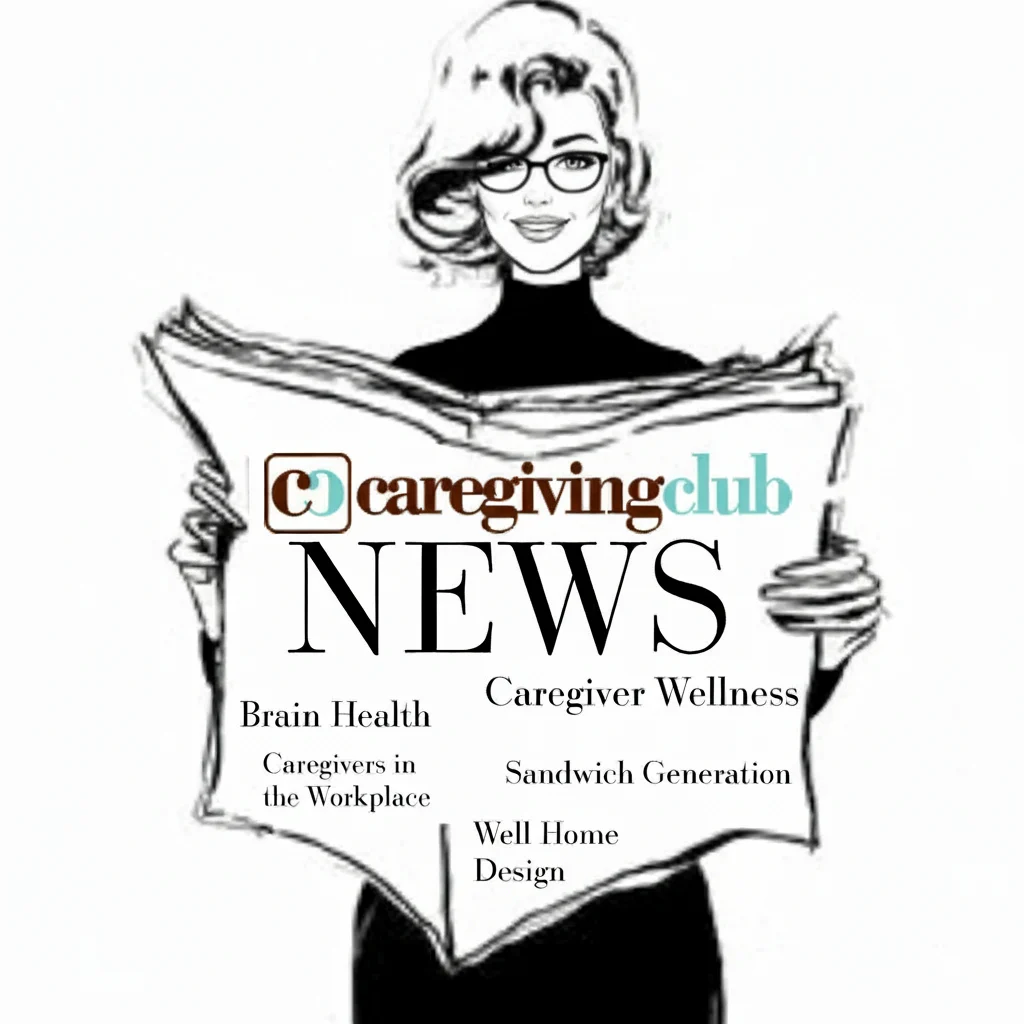
This recognition highlights the growing demand for expert-led, compassionate, and practical advice in the caregiving space. To better serve its audience, the Caregiving Club is expanding its digital footprint. Recognizing that the modern caregiver is often a member of the "Sandwich Generation"—juggling the care of aging parents while managing careers and often their own children—the organization has launched the "Caregiving Club News" program on YouTube.

This transition from purely audio to a multi-platform video approach allows the organization to provide in-depth, visual content on complex topics like biophilic design, dementia-friendly home renovations, and the latest research in geriatric wellness.
Supporting Data: Why Modification Matters
The necessity for universal design is supported by a wealth of research that Snelling and her contributors have compiled over years of advocacy. The implications of staying in a home that hasn’t been modified are severe:
- Fall Statistics: One in four Americans aged 65 and older reports a fall each year. Falls are the primary cause of hip fractures and traumatic brain injuries in this demographic.
- The Cost of Care: The average cost of a stay in an assisted living facility or nursing home far exceeds the cost of comprehensive home modifications. Investing in one’s home is, in effect, investing in a long-term, cost-effective care solution.
- Mental Health: Studies consistently show that aging in place improves mental health outcomes. The familiarity of one’s own home reduces stress, improves sleep, and maintains community ties, which are essential for cognitive health.
Official Perspectives: Expert Insights on Environmental Wellness
Throughout her career, Snelling has advocated for a multidisciplinary approach to home design. Her articles, which frequently appear in Forbes, USA Today, and Next Avenue, highlight that the environment directly dictates the quality of life for the elderly.
Biophilic Design and Neuroscience
One of the core themes in Snelling’s work is the intersection of nature and neuroscience. In her writing, she explores how "biophilic design"—the incorporation of natural elements like light, plants, and natural textures—can actually improve the mental and physical health of residents. For older adults, especially those with cognitive impairments like dementia, a home that feels connected to the natural world can reduce "sundowning" symptoms and agitation.
Dementia-Friendly Design
Beyond general aging, the specific needs of those with cognitive decline require specialized attention. Simple changes—such as color-coded rooms, high-contrast surfaces to assist with depth perception, and the removal of clutter to reduce sensory overload—are life-changing. These design choices, often discussed on the podcast, emphasize that small, intentional modifications can dramatically increase the autonomy of a person living with dementia.

The Future of Caregiving: Implications and Next Steps
The conversation between Fitzgerald and Snelling underscores a fundamental shift in how we view the American home. It is no longer acceptable to treat housing as a static asset; it must be treated as a dynamic, evolving space that facilitates the aging process.
For families, the implications are clear:
- Start Early: Do not wait for a medical crisis to assess home safety.
- Audit the Environment: Utilize resources like the Eldercare Locator to find local professionals who can conduct home safety assessments.
- Prioritize Education: Platforms like the Caregiving Club provide the necessary knowledge to navigate the complex landscape of aging, from finding contractors to understanding the latest wellness hacks.
As we continue to navigate the challenges of an aging population, the message from the Caregiving Club is one of empowerment. Through the combination of smart, accessible design and informed caregiving, the "Peter Pan Home" can be transformed into a space that truly supports the dignity and independence of our older citizens.
Resources for the Journey
For those looking to take the next steps in creating a safer home or navigating the caregiving journey, the following resources are recommended:
- TruBlueAlly: Professional home modification services that prioritize aging-in-place safety.
- Eldercare Locator: A public service of the U.S. Administration on Community Living (eldercare.gov) that connects families to local support services.
- "Self-Care in 7 Minutes": A video series by the Caregiving Club designed to help overwhelmed caregivers find brief, effective moments of respite.
- ME TIME MONDAY: Sherri Snelling’s book, which serves as a roadmap for caregivers to maintain their own identity and wellness while caring for others.
By engaging with these resources, families can ensure that they are not just providing care, but creating environments where their loved ones can thrive. The path forward requires a shift in mindset—from viewing home modification as a burden to viewing it as a vital investment in the future of the American family.

As Sherri Snelling often reminds her listeners, "Caregiving is a marathon, not a sprint." By equipping our homes to support that marathon, we ensure that the journey is safer, healthier, and ultimately, more fulfilling for everyone involved.