As the global medical community braces for another unpredictable respiratory virus season, pharmaceutical giant GSK is signaling a major shift in the standard of care for seasonal influenza. Following a series of highly successful Phase 2 clinical trials, the company has announced that it will initiate a pivotal Phase 3 study for its experimental messenger RNA (mRNA) influenza vaccine later this month.
This development represents more than just another entry into the vaccine market; it signals a fundamental evolution in how scientists are approaching the flu. By targeting two critical viral proteins rather than one, GSK aims to provide a more robust shield against the virus, potentially reducing the staggering global burden of disease that claims hundreds of thousands of lives annually.
Main Facts: The Dual-Targeting Strategy
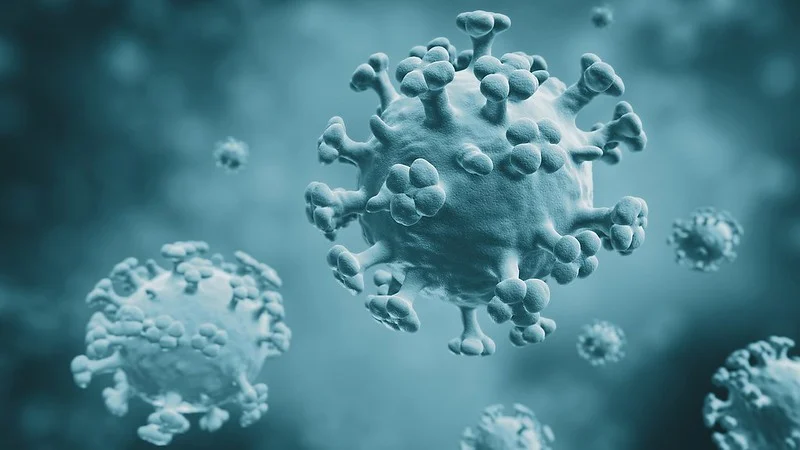
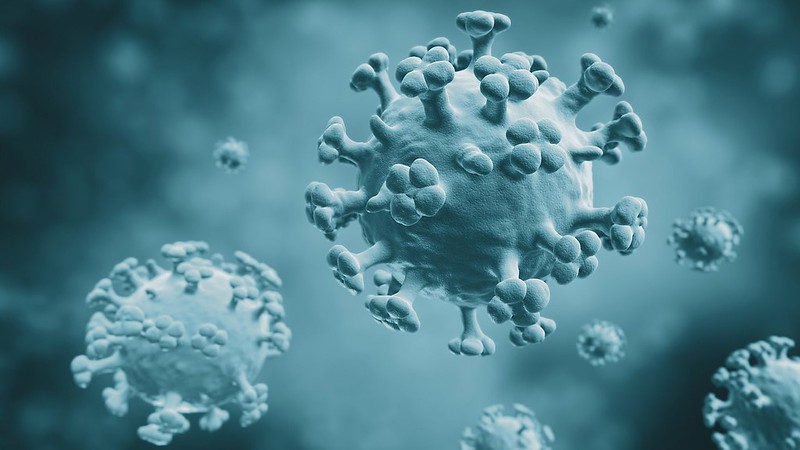
The current gold standard for flu protection relies on vaccines that focus exclusively on the hemagglutinin (HA) protein—the "key" the virus uses to unlock human cells. However, GSK’s approach is significantly more sophisticated. Their experimental vaccine is designed to trigger an immune response to both the HA protein and a second protein, neuraminidase (NA).
The NA protein plays a pivotal role in the viral life cycle, specifically in the release and transmission of progeny viruses from infected cells. By training the immune system to recognize and attack both proteins, GSK believes it can improve overall vaccine efficacy, reduce the severity of illness in breakthrough cases, and potentially curb the transmission of the virus within communities.
The company’s Phase 2 results, unveiled at the OPTIONS XIII Conference for the Control of Influenza in Washington, D.C., demonstrated that this dual-targeting strategy elicited superior immune responses against all tested influenza strains compared to currently available vaccines. These results held consistent across both younger and older adult populations, a demographic shift that is particularly vital given the vulnerability of the elderly to flu-related complications.
A Chronological Perspective: From CureVac to Phase 3
The path to this pivotal moment has been marked by strategic acquisitions and rapid technological pivoting.
- 2024: The Strategic Acquisition: GSK’s mRNA portfolio was bolstered significantly in 2024 when the company finalized a deal to acquire CureVac’s infectious disease vaccine program for approximately €400 million ($431.4 million). This move allowed GSK to integrate advanced mRNA capabilities while enabling CureVac to sharpen its focus on oncology.
- 2025: Industry Consolidation: The landscape shifted again in June 2025, when BioNTech completed a $1.25 billion all-stock acquisition of CureVac, further concentrating the mRNA intellectual property landscape.
- August 2026: The mRNA Milestone: The landscape for influenza vaccines changed permanently in August 2026, when the FDA granted approval for Moderna’s mFLUSIVA, the first mRNA-based seasonal flu vaccine to reach the market. While a massive win for the mRNA platform, Moderna’s vaccine still focuses primarily on the HA protein, leaving the door open for GSK’s dual-target innovation.
- Late 2026/Early 2027: The Phase 3 Launch: With Phase 2 data now validated and the optimized B-strain HA candidate selected, GSK is set to begin its pivotal Phase 3 trial, representing the final hurdle before regulatory submission.
Supporting Data: The Science Behind the Success
The Phase 2 trial involved 971 participants and provided a clear "proof of concept" for the dual-target approach. The study evaluated two primary vaccine candidates: FLUm3HA.b-3NA, which utilizes an optimized B-strain HA, and FLUm3HA-3NA, which uses a non-optimized version.
According to the data presented in Washington, D.C., both candidates performed exceptionally well, showing robust immune responses to both HA and NA across influenza A and B strains. The choice to move forward with the optimized B-strain HA vaccine for the Phase 3 trial is rooted in historical data indicating that the influenza B strain has long been a weak point in conventional vaccine efficacy. By enhancing the immune response to this specific strain, GSK is addressing one of the most persistent gaps in influenza prevention.
Furthermore, the safety profile of these candidates has been described as "acceptable" by GSK researchers. The ability to achieve high-titer immune responses without an elevated frequency of adverse events is crucial for a vaccine intended for mass seasonal administration.
Official Responses: The Clinical Vision
Sanjay Gurunathan, GSK’s Head of Vaccines and Infectious Diseases R&D, emphasized the gravity of the situation in a formal statement following the announcement.
"These promising data support the potential to better protect people from flu with a vaccine designed to target both HA and NA," Gurunathan stated. He highlighted the sheer scale of the global problem, noting that there are approximately one billion flu cases worldwide each year, resulting in up to 650,000 deaths. "There is an urgent, persistent need for next-generation vaccine approaches that go beyond current limitations," he added.
The leadership at GSK views this vaccine not merely as a commercial product but as a critical public health tool. By targeting NA, they hope to mitigate the "transmission chain," essentially making it harder for the virus to replicate and spread even if an infection occurs.
Implications: The Future of Influenza Prevention
The implications of GSK’s potential success are profound for the pharmaceutical industry, public health policy, and the individual patient.
1. The Shift to "Next-Gen" mRNA
While Moderna’s mFLUSIVA has proven that mRNA can successfully replace the traditional, egg-based production methods used for decades, GSK’s entry suggests that the "second wave" of mRNA vaccines will be defined by functional improvement. If GSK can prove that targeting NA provides better protection against disease severity, the entire industry will likely pivot toward multi-protein targeting.
2. Impact on Healthcare Economics
Seasonal influenza remains a massive economic burden, leading to billions in lost productivity and healthcare expenditures annually. A vaccine that not only prevents infection but also significantly dampens transmission could drastically alter the public health response, potentially reducing the need for hospitalizations and secondary complications, particularly in high-risk groups.
3. The Competitive Landscape
The competition between GSK, Moderna, and other players in the mRNA space is fostering an environment of rapid innovation. As mRNA technology becomes more precise—allowing for the rapid encoding of multiple proteins—the time-to-market for updated seasonal vaccines could be reduced, allowing for a more agile response to emerging flu variants.
4. Patient Outcomes
For the average patient, the promise is simple: a more effective vaccine. By covering both the "key" (HA) and the "release mechanism" (NA), the vaccine may provide a more comprehensive immunological "memory," potentially leading to longer-lasting protection.
Conclusion: A Turning Point
As GSK moves toward its Phase 3 trial, the scientific community will be watching closely. The data gathered from these upcoming trials will provide the definitive answer as to whether dual-targeting can become the new gold standard for influenza prevention.
While mRNA technology has already revolutionized the response to the COVID-19 pandemic, its application in the seasonal flu market is still in its infancy. GSK’s pivot toward a more aggressive, multi-protein strategy demonstrates a commitment to moving past "good enough" solutions. If the Phase 3 results mirror the success of the Phase 2 trials, we may be looking at the dawn of a new era—one where the annual toll of the influenza virus is significantly diminished, not just by the technology of mRNA, but by a more intelligent, comprehensive understanding of the pathogen itself.