











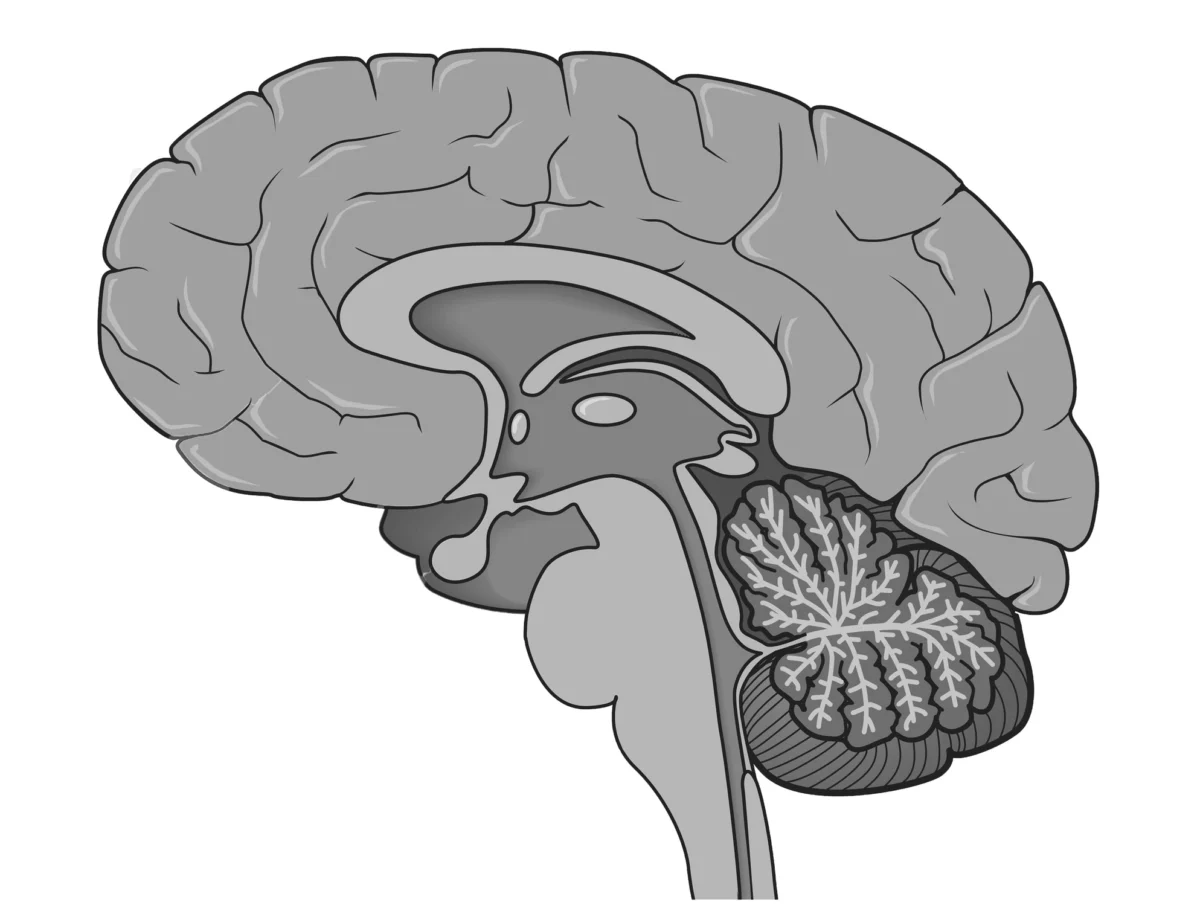
In the quiet of the night, while the body rests and the mind undergoes its nightly restorative processes, a subtle phenomenon occurs: the micro-awakening. Often imperceptible to the sleeper, these brief bursts of brain activity, lasting mere seconds, have long been dismissed as a routine byproduct of sleep architecture. However, a groundbreaking study conducted by researchers at the University of Liège (ULiège) suggests that these nocturnal disturbances may be far more significant than previously thought, serving as a potential "canary in the coal mine" for neurodegenerative diseases, specifically Alzheimer’s.
Published in the journal Sleep, the study provides a compelling link between the frequency of these micro-awakenings in middle-aged adults and a higher polygenic risk of developing Alzheimer’s disease. By shifting the focus from overt sleep disorders to the nuanced patterns of brain activity during slumber, scientists are opening a new frontier in the early detection of cognitive decline.
Main Facts: The Link Between Sleep and Cognitive Health
The core of the research lies in the relationship between genetic predisposition and sleep quality. The research team, supported by the Stop Alzheimer’s Foundation, analyzed the sleep patterns of over 500 healthy participants. By calculating a "polygenic risk score"—a summary of the combined influence of various genetic markers on the probability of developing a specific disease—the scientists were able to correlate genetic vulnerability with physiological sleep metrics.
The most striking finding was that middle-aged adults (aged 50 to 69) who exhibited a higher frequency of nocturnal micro-awakenings were also more likely to carry a higher genetic risk for Alzheimer’s disease. Crucially, this association was not observed in the younger cohort (aged 18 to 31), suggesting that as the brain ages, the intersection of sleep health and genetic risk becomes a critical window for observation.
Micro-awakenings are defined as brief shifts in brain activity that do not result in a full awakening. While they do not necessarily cause a person to toss and turn or remember waking up, they act as a "fragmentation" of the sleep cycle. This fragmentation may prevent the brain from achieving the deep, restorative stages of sleep necessary for clearing metabolic waste—including the proteins associated with Alzheimer’s pathology.
Chronology: From Biological Markers to Clinical Insight
The investigation into the role of the brainstem and sleep regulation follows years of growing evidence that sleep is not merely a passive state of rest but an active, protective mechanism for the brain.
- Initial Hypothesis: Researchers at the GIGA ULiège laboratory hypothesized that the locus coeruleus—a small, complex region in the brainstem—might be the bridge between early protein accumulation and sleep disruption.
- Cohort Selection: The study recruited a diverse group of 500 healthy individuals, bifurcated into two distinct age brackets: young adults (18–31) and middle-aged adults (50–69).
- Data Collection: Using advanced monitoring, the team tracked nocturnal brain activity, specifically measuring the frequency of micro-awakenings across both groups.
- Genetic Profiling: Participants provided genetic samples to establish individual polygenic risk scores, allowing the team to cross-reference genetic susceptibility with sleep data.
- Statistical Analysis: Upon comparing the data, the "middle-aged" cohort revealed a statistically significant correlation between frequent micro-awakenings and elevated genetic risk, a pattern that remained absent in the younger demographic.
Supporting Data: The Role of the Locus Coeruleus
A key pillar of this research is the focus on the locus coeruleus. Often described as the brain’s "alarm system," this region is heavily involved in the regulation of wakefulness, attention, and autonomic functions.
According to Gilles Vandewalle, co-director of the GIGA CRC In Vivo Imaging technology platform, the locus coeruleus is among the very first regions of the brain to exhibit abnormal protein deposits associated with Alzheimer’s. Remarkably, these deposits can sometimes be detected as early as adolescence. Because the locus coeruleus is notoriously difficult to image and observe using standard clinical tools, the discovery that its dysfunction might manifest as nocturnal micro-awakenings provides a non-invasive "proxy" for monitoring its health.
The study posits that if the locus coeruleus is failing to maintain steady, uninterrupted sleep, it may be an early warning sign that the brain is struggling to manage the metabolic stress that precedes clinical dementia. This aligns with the "glymphatic system" theory, which suggests that during deep sleep, the brain effectively "washes away" neurotoxic waste products. If micro-awakenings disrupt this process, the resulting accumulation of proteins may accelerate the onset of neurodegeneration.
Official Responses and Expert Perspectives
The academic and clinical community has reacted with cautious optimism, acknowledging that while the findings are revolutionary, they remain at the stage of statistical association rather than clinical diagnosis.
"These micro-awakenings are therefore not insignificant," says Puneet Talwar, a researcher at the GIGA ULiège laboratory. "Certain profiles could promote the accumulation of proteins involved in Alzheimer’s disease and be associated with increased vulnerability."
Gilles Vandewalle emphasizes the shift in how we perceive sleep within the context of neurology: "This region [the locus coeruleus] is difficult to observe, but it appears to play a role in the early mechanisms linked to the disease. Sleep could become an accessible marker for the early identification of vulnerable individuals."
Lucie Leroux, head of French-speaking activities at the Stop Alzheimer’s Foundation, highlights the potential for future medical strategies: "This research shows that sleep is not only an indicator of health, but also a potential lever for intervention. By identifying those at risk through sleep analysis, we may be able to implement lifestyle or therapeutic interventions years before clinical symptoms emerge."
Implications: The Future of Preventive Neurology
The implications of this study are profound, potentially transforming sleep clinics into hubs for neurodegenerative screening. Currently, detecting Alzheimer’s risk often requires expensive PET scans, spinal taps, or specialized blood tests. If sleep patterns—specifically micro-awakenings—can serve as a reliable, non-invasive biomarker, it could democratize early screening.
1. Shift Toward Preventive Medicine
Instead of treating Alzheimer’s once cognitive decline has begun, the focus shifts to the "pre-symptomatic" phase. If a patient is identified as high-risk through both genetic testing and sleep monitoring, clinicians might suggest aggressive sleep hygiene programs, cognitive engagement exercises, or emerging pharmaceutical therapies designed to clear protein aggregates.
2. Technological Integration
The rise of wearable sleep technology—smartwatches and rings that track sleep stages and disturbances—could eventually be integrated into long-term health monitoring. While current consumer tech is not yet accurate enough to diagnose neurodegeneration, the validation of micro-awakenings as a clinical marker could drive the development of medical-grade home monitoring devices.
3. A Call for Further Research
The researchers are quick to temper expectations. "These findings remain statistical associations that require further confirmation," the report notes. "They cannot currently predict the disease in an individual." The next phase of research will likely involve longitudinal studies—tracking these same individuals over a decade or more to see if those with frequent micro-awakenings do, in fact, show a higher incidence of Alzheimer’s symptoms compared to their counterparts.
4. Holistic Health Approaches
This study reinforces the holistic view of the human body. The brain and the sleep cycle are not separate from the rest of the nervous system; they are intricately linked. By treating sleep as a vital sign—much like blood pressure or heart rate—the medical community is better positioned to understand the trajectory of brain health throughout the lifespan.
In conclusion, while we are not yet at a point where a "bad night’s sleep" is a diagnostic criteria for dementia, the University of Liège study provides a compelling argument for the importance of sleep quality in the middle-aged population. It challenges us to look beyond the surface of our nightly rest and consider the microscopic signals the brain sends while we dream. As science continues to bridge the gap between sleep architecture and neurobiology, we move one step closer to outsmarting one of the most challenging diseases of the modern era.