









By Health & Science Correspondent
February 2026
In an era where lifestyle diseases remain a leading cause of global morbidity, new research offers a compelling roadmap for long-term cerebrovascular health. A landmark study published on February 4, 2026, in Neurology Open Access, the peer-reviewed journal of the American Academy of Neurology, suggests that women who adhere closely to a Mediterranean-style diet may significantly lower their risk of experiencing a stroke.
While the study stops short of claiming the diet is a direct "cure-all" or an absolute preventative measure, it provides some of the most robust data to date regarding the protective associations between nutritional choices and long-term neurological outcomes. By analyzing the habits and health trajectories of over 100,000 women over two decades, researchers have opened a new window into how daily dietary patterns influence the delicate vascular architecture of the brain.
The Core Findings: A Significant Correlation
The research, which tracked 105,614 women with an average age of 53 at the study’s inception, found that those who followed a Mediterranean diet most strictly experienced a marked decrease in the incidence of both major categories of stroke: ischemic and hemorrhagic.
Ischemic strokes—the most common variety—occur when a clot or plaque buildup blocks blood flow to a section of the brain. Hemorrhagic strokes, which are often more severe, occur when a weakened blood vessel ruptures, causing bleeding within the brain tissue. The study’s findings suggest that the metabolic benefits of the Mediterranean diet provide a systemic protective effect that transcends the specific mechanical causes of these two stroke types.
After adjusting for confounding variables—including smoking status, levels of physical activity, and preexisting high blood pressure—the data revealed that women in the highest category of adherence to the Mediterranean diet were 18% less likely to suffer a stroke compared to those in the lowest category. Perhaps most strikingly, the risk reduction for hemorrhagic stroke was calculated at 25%, while the risk for ischemic stroke was reduced by 16%.
Defining the Mediterranean Standard
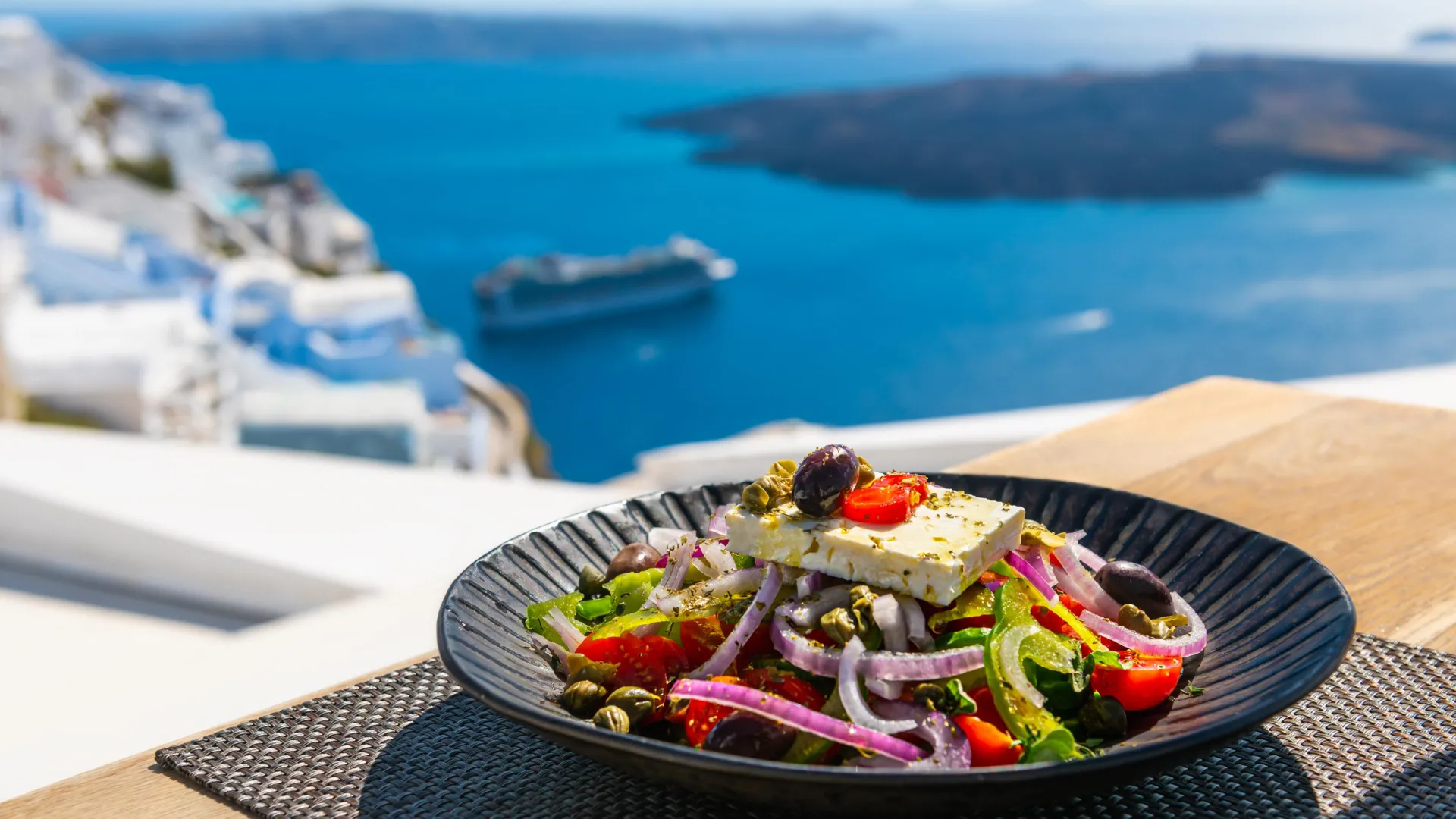
The Mediterranean diet is more than a weight-loss fad; it is a cultural and nutritional framework characterized by high consumption of plant-based whole foods and healthy fats. For the purpose of this study, researchers utilized a nine-point scoring system to quantify dietary habits. Participants were awarded points for consuming above-average amounts of:
- Whole grain cereals
- Fresh fruits and vegetables
- Legumes
- Olive oil (the primary source of added fat)
- Fish
- Moderate alcohol consumption
Conversely, participants were penalized in their scoring for high intake of red meats, processed meats, and full-fat dairy products. This dietary architecture is designed to minimize systemic inflammation and oxidative stress, both of which are known precursors to vascular damage.
Chronology of a Two-Decade Investigation
The journey to these findings began over 21 years ago. The study’s methodology was rigorous, relying on a longitudinal design that captured the evolving health outcomes of a massive cohort.
- The Baseline (Beginning of Study): At the start of the research, none of the 105,614 participants had a history of stroke. Each woman provided comprehensive, self-reported data regarding her dietary intake, which allowed researchers to establish a baseline "Mediterranean Score" (ranging from 0 to 9).
- Stratification of Cohorts: The researchers divided the participants based on their scores. Approximately 30% of the women fell into the "high adherence" category (scores of 6–9), while 13% fell into the "low adherence" group (scores of 0–2).
- The Monitoring Period (21 Years): Over the next two decades, the research team meticulously tracked stroke incidences. A total of 4,083 strokes were recorded during this span: 3,358 ischemic and 725 hemorrhagic.
- The Data Synthesis (2025–2026): As the study reached its conclusion, the researchers cross-referenced the stroke data with the initial dietary scores, adjusting for lifestyle factors like physical activity and hypertension to ensure the results were not skewed by other health variables.
Supporting Data: Understanding the Numbers
The statistical breakdown reveals a clear, inverse relationship between diet quality and stroke risk. In the highest adherence group, there were 1,058 ischemic strokes. In stark contrast, despite the lower total number of participants in the lowest adherence group, the frequency of stroke remained statistically elevated.
The 25% reduction in hemorrhagic stroke risk is particularly significant. Because hemorrhagic strokes are often linked to uncontrolled hypertension and vessel wall integrity, the study suggests that the Mediterranean diet’s focus on potassium-rich vegetables, heart-healthy monounsaturated fats from olive oil, and limited sodium may play a role in maintaining vascular elasticity and blood pressure regulation over the long term.
Official Responses and Expert Commentary
Dr. Sophia S. Wang, the lead author of the study and a researcher at the City of Hope Comprehensive Cancer Center in Duarte, California, emphasized the importance of these findings in the context of modern public health.
"Our findings support the mounting evidence that a healthy diet is critical to stroke prevention," Dr. Wang stated in the aftermath of the publication. "We were especially interested to see that this finding applies to hemorrhagic stroke, as few large studies have looked at this type of stroke. Stroke is a leading cause of death and disability, so it’s exciting to think that improving our diets could lessen our risk for this devastating disease."
The research, funded by the National Institute of Neurological Diseases and Stroke, has been lauded by the broader medical community as a necessary step toward proactive neurology. By shifting the focus from treating the aftermath of a stroke to mitigating the long-term risk through nutrition, the medical community hopes to reduce the staggering global burden of neurological disability.
Implications for Public Health Policy
The implications of this study are far-reaching. If a simple dietary shift can reduce stroke risk by nearly one-fifth, the potential for public health interventions is immense. Policymakers and nutritionists may use this data to advocate for:
- Dietary Education: Integrating Mediterranean-style nutrition into school and workplace wellness programs.
- Economic Incentives: Making fresh produce, legumes, and fish more affordable and accessible to lower-income populations, who often face higher rates of stroke due to "food deserts."
- Clinical Practice: Encouraging primary care physicians to assess dietary patterns as a standard part of cardiovascular and neurological risk assessments.
However, the authors remain cautious. While the association is strong, the study is observational. It establishes a correlation, not a definitive cause-and-effect relationship. Factors such as genetic predispositions, socioeconomic status, and environmental exposures—which can sometimes correlate with diet—must be further parsed in future research.
Addressing Limitations
No study of this scale is without its limitations. The primary challenge identified by the researchers was the reliance on self-reported dietary questionnaires. Memory bias is a known hurdle in longitudinal nutritional studies; individuals may unintentionally overestimate their intake of "healthy" foods or underestimate their consumption of processed items.
Furthermore, the study focused on a specific demographic, which may limit the generalizability of the findings to men or to populations with vastly different cultural dietary patterns. Dr. Wang noted that "further studies are needed to confirm these findings and to help us understand the mechanisms behind them so we could identify new ways to prevent stroke."
Conclusion: A Path Forward
The research published in Neurology Open Access serves as a powerful reminder that our long-term health is often the sum of thousands of small decisions made in the kitchen. While the Mediterranean diet is not a magic bullet, the data suggests it acts as a robust shield against the sudden, often catastrophic, onset of a stroke.
As the medical community continues to peel back the layers of how nutrition impacts the brain, one thing remains clear: the food on our plates may be one of the most effective, accessible, and potent tools we have for safeguarding our future health. By prioritizing whole grains, healthy fats, and a bounty of vegetables, women may be able to significantly shift the odds in their favor, ensuring a future defined by longevity and neurological vitality.