










In a significant breakthrough for oncology, researchers at the Dartmouth Cancer Center (DCC) have uncovered evidence that a widely prescribed, FDA-approved blood pressure medication could fundamentally reshape the efficacy of targeted cancer therapies. The study, published in The Journal for ImmunoTherapy of Cancer, reveals that telmisartan—a medication typically used to manage hypertension—significantly amplifies the cancer-killing potency of olaparib, a PARP inhibitor used to treat various malignancies.
This discovery holds the potential to democratize access to effective cancer care, offering a low-cost, accessible, and well-tolerated strategy to overcome treatment resistance and broaden the reach of precision medicine.
Main Facts: The Telmisartan-Olaparib Synergy
The core finding of the DCC research is that telmisartan acts as a powerful adjuvant to olaparib. PARP inhibitors like olaparib function by exploiting specific DNA repair deficiencies within cancer cells. Historically, these drugs have been limited to patients whose tumors possess specific mutations, such as those in the BRCA gene, which prevent cells from repairing damaged DNA effectively.
However, the Dartmouth team discovered that telmisartan alters the biological landscape of tumor cells, effectively sensitizing them to PARP inhibitors regardless of whether the cells possess the traditional "weaknesses" these drugs usually target. By triggering a robust immune response and inhibiting mechanisms that allow tumors to hide from the body’s defenses, telmisartan effectively "unlocks" the efficacy of olaparib in a wider cohort of patients.
Chronology: From Lab Bench to Clinical Trials
The journey toward this finding was rooted in a multi-year investigative effort to identify ways to enhance current standard-of-care treatments without adding excessive toxicity to the patient.
- Preclinical Discovery: Researchers began by screening various compounds for their ability to enhance the DNA-damaging effects of PARP inhibitors. Through rigorous laboratory experimentation, they identified telmisartan as a standout candidate.
- Mechanism Identification: The research team mapped how telmisartan interacts with tumor cells, discovering that it not only increases DNA damage but also facilitates the activation of the immune system.
- Verification: The team compared telmisartan against other drugs in the same class (angiotensin II receptor blockers, or ARBs) to determine if the effect was universal. They concluded that telmisartan possesses unique, potent anticancer properties that its counterparts lack.
- Clinical Translation: Building on the strength of their laboratory data, the DCC team moved rapidly. They secured necessary funding through the Guyre and Gmelich funds, allowing for the immediate launch of two phase-appropriate clinical trials.
- Early Clinical Results: As of the latest reports, clinical trials are active. Notably, the first patient enrolled in the prostate cancer study demonstrated an "exceptional response" to the combination therapy, providing a strong empirical foundation for ongoing research.
Supporting Data: Mechanisms of Action
To understand why telmisartan is proving so effective, it is necessary to examine the biological pathways the research team identified.
1. Immune System Activation
The study found that the combination of telmisartan and olaparib leads to an increased production of type I interferons. These signaling molecules are essentially the "alarm bells" of the immune system; by elevating their levels, the treatment forces the body’s immune defenses to recognize and target malignant cells that would otherwise remain "invisible."
2. The PD-L1 Downregulation
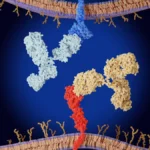
Cancer cells often express a protein known as PD-L1 on their surface, which acts as a "don’t attack me" signal to T-cells. The Dartmouth study demonstrated that telmisartan successfully lowers the levels of PD-L1 within tumor cells. This effectively strips away the tumor’s primary cloak of invisibility, making it significantly more vulnerable to immune-mediated destruction.
3. Unique Properties of Telmisartan
While telmisartan is an ARB, the researchers emphasized that its anticancer benefits are distinct. Other medications in the same pharmaceutical family did not exhibit the same level of efficacy in enhancing DNA-damage-based therapies. This implies that telmisartan interacts with additional molecular pathways—potentially related to its specific chemical structure or its secondary signaling effects—that are not shared by other blood pressure drugs.
Official Responses: Insights from the Lead Investigator
Dr. Tyler J. Curiel, MD, MPH, FACP, senior and lead author of the study, has expressed cautious optimism regarding the implications of these findings. His commentary highlights the shift in perspective required to integrate "repurposed" drugs into modern oncology.
"This study shows that a common, safe, tolerable, convenient, and inexpensive drug may significantly improve how well an important class of cancer therapies works," Dr. Curiel stated.
Regarding the ongoing clinical trials, Curiel noted the importance of the early success observed in patients. "We are encouraged by what we are seeing so far. Our goal is to determine whether this combination approach can help more patients benefit from greater effectiveness of PARP inhibitors and other cancer treatment classes and potentially overcome resistance to these drugs."
Curiel further emphasized that the potential for telmisartan extends well beyond PARP inhibitors. "We showed the improved efficacy with PARP inhibitors in this study, but we also have good data showing that telmisartan improves efficacy of distinct chemotherapy classes and immunotherapies in many other cancer types through related mechanisms."
Implications: The Future of Cancer Therapy
The implications of this research are vast, spanning clinical, economic, and systemic domains of the healthcare industry.
Addressing Drug Resistance
One of the most persistent challenges in oncology is "acquired resistance," where a tumor initially responds to a therapy but eventually evolves to bypass the treatment’s mechanism of action. By sensitizing tumors through a dual-mechanism approach (DNA damage plus immune activation), the telmisartan-olaparib combination may prevent or delay this resistance, extending the window of therapeutic benefit for thousands of patients.
Economic Accessibility
Cancer treatments are notoriously expensive, often costing tens of thousands of dollars per month. Telmisartan, by contrast, is a generic medication that has been on the market for decades. If proven successful in large-scale clinical trials, this combination could offer a high-impact, low-cost solution that is accessible to healthcare systems in both developed and developing nations, potentially reducing the financial burden on both patients and insurers.
Speed of Implementation
Because telmisartan already has an established safety profile and is well-tolerated by patients—even those without hypertension—the regulatory pathway for integrating it into standard cancer treatment regimens may be more streamlined than for novel, experimental compounds. The drug is administered orally, which enhances patient convenience and compliance compared to intravenous treatments.
A Paradigm Shift in "Drug Repurposing"
This study serves as a high-profile example of the "repurposing" movement in medicine. Instead of searching for entirely new chemical entities, which can take decades and billions of dollars to bring to market, researchers are increasingly looking at the vast library of existing, safe medications to see if they hold hidden potential for treating chronic or complex diseases. The Dartmouth study provides a template for how rigorous preclinical work can quickly translate into potentially life-saving clinical interventions.
Moving Forward
While the results are promising, the research team remains focused on the ongoing clinical trials. The study involving men with metastatic, castration-resistant prostate cancer and the second trial focusing on platinum-resistant ovarian cancer are critical. These trials will provide the definitive evidence needed to determine if telmisartan should be integrated into clinical guidelines.
As the medical community watches the progress of these trials, the work at Dartmouth Cancer Center stands as a testament to the power of lateral thinking in science. By looking at a familiar heart-health pill with a fresh perspective, researchers may have unlocked a new, powerful weapon in the war against cancer. The potential to turn a standard blood pressure medication into a vital component of a cancer patient’s recovery is not only an scientific achievement; it is a profound step forward for patient-centered, accessible, and innovative oncology.