








Introduction: Beyond Diabetes Management
In the global battle against cardiovascular disease—the world’s leading cause of mortality—scientists have long sought therapeutic agents that go beyond the conventional mechanisms of statins and blood-pressure-lowering medications. A groundbreaking study, recently published in the journal Science Advances, offers a glimmer of hope. An international research collaboration led by the Leiden University Medical Centre in the Netherlands, in partnership with Monash University’s Institute of Pharmaceutical Sciences (MIPS), has unveiled that an experimental drug known as IC7Fc possesses the remarkable ability to mitigate atherosclerosis, the underlying "clogging" of arteries that precipitates heart attacks and strokes.
While IC7Fc was originally developed as a candidate for treating type 2 diabetes and metabolic disorders, this new research confirms that its therapeutic reach is significantly broader. By simultaneously lowering cholesterol and dampening the chronic inflammation that degrades vascular health, the drug represents a potential paradigm shift in how clinicians might manage patients at high risk for cardiac events.
The Chronology of Development
The journey of IC7Fc from a laboratory concept to a promising cardiovascular therapeutic is a testament to the power of multi-disciplinary collaboration.
The Origins of IC7Fc
The development of IC7Fc has been a long-term project spearheaded by Professor Mark Febbraio of the Monash Institute of Pharmaceutical Sciences. Early research into the compound focused primarily on metabolic homeostasis. Scientists identified that the molecule could influence cellular signaling pathways involved in glucose metabolism, making it a prime candidate for addressing the rising global tide of type 2 diabetes.
Building the Evidence Base
In previous preclinical trials, the research team observed that IC7Fc was highly effective at managing appetite and reducing body fat in obese models. These initial findings established the drug as a potent tool for metabolic regulation. However, as the research progressed, the team began to investigate whether the drug’s metabolic benefits translated into systemic cardiovascular improvements. This led to the design of the current study, which shifted the focus from obesity-related markers to direct vascular health in subjects genetically predisposed to heart disease.
Supporting Data: Mechanisms of Action
The study conducted by the Leiden-Monash partnership employed rigorous preclinical protocols to isolate the effects of IC7Fc on the cardiovascular system.
Targeting Atherosclerosis
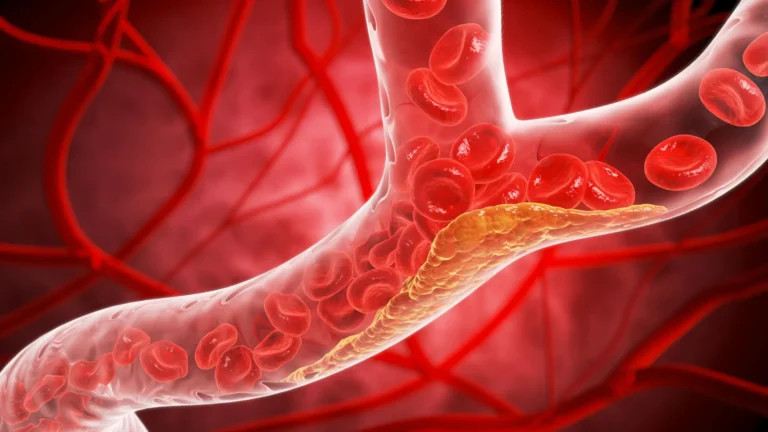
Atherosclerosis is a complex condition characterized by the accumulation of lipids, cholesterol, calcium, and cellular waste within the arterial walls. Over time, these fatty plaques harden and narrow the vessels, restricting blood flow and risking rupture.
The data from the Science Advances paper demonstrates that IC7Fc operates through a dual-action mechanism:
- Lipid Modification: The drug significantly lowered serum triglycerides and LDL cholesterol levels in mice prone to heart disease. By reducing the "fuel" available for plaque formation, the drug slows the progression of vascular narrowing.
- Anti-Inflammatory Response: Beyond merely clearing lipids, IC7Fc appears to dampen the inflammatory signaling pathways that cause plaques to become unstable. Inflammation is the silent driver of cardiovascular distress, and by modulating this, the drug may prevent the sudden ruptures that lead to acute coronary syndromes.
The Lean vs. Obese Distinction
One of the most intriguing findings of the study was the drug’s performance across different physiological states. In previous studies on obese mice, IC7Fc induced significant weight loss and reduced food intake. However, in the recent study, which utilized lean mice genetically programmed for high cholesterol, the drug achieved significant cardiovascular protection without affecting body weight or appetite.
This is a critical distinction for clinical pharmacology. It suggests that the drug’s cardiovascular benefits are not merely a byproduct of weight loss, but are instead derived from a direct, independent mechanism of action. This broadens the potential patient demographic to include lean individuals who suffer from hereditary high cholesterol or atherosclerosis—a group often underserved by weight-loss-centric metabolic treatments.
Official Responses and Expert Commentary
Professor Mark Febbraio, who has been instrumental in the long-term development of IC7Fc, emphasized the limitations of existing treatments during a discussion on the study’s implications.
"Heart disease remains the world’s biggest killer, driven largely by atherosclerosis," Professor Febbraio stated. "Even with common treatments that lower blood pressure and cholesterol, many people are still at risk. This shows there is more work to be done. We are looking for the ‘next generation’ of therapy that addresses the disease from multiple angles."
Reflecting on the study’s outcomes, Febbraio noted, "These results suggest IC7Fc could offer a dual benefit—helping reduce obesity in some, while protecting the heart in others. It’s an exciting step towards a treatment that targets both metabolic and cardiovascular disease."
The international team, including researchers from Leiden University Medical Centre, has lauded these results as a vital milestone. By demonstrating that the drug is effective in lean, disease-prone models, the researchers have moved one step closer to proving that IC7Fc is a versatile therapeutic agent.
Clinical Implications: The Road Ahead
The findings from this study raise several profound questions regarding the future of cardiology and endocrinology.
A Dual-Action Treatment
If human trials mirror the success observed in these preclinical models, IC7Fc could become a cornerstone therapy for "Metabolic-Cardiovascular Syndrome." Currently, patients with both type 2 diabetes and high cardiovascular risk must take a cocktail of medications, including metformin, statins, and blood pressure regulators. The promise of a single agent—or a simplified therapeutic regimen—that addresses systemic inflammation, lipid profiles, and metabolic regulation is a "holy grail" for medical researchers.
The Need for Human Trials
While the results are undeniably positive, the researchers are quick to urge caution. Preclinical findings in mice do not always translate to human clinical success. The next phase of development will require rigorous Phase I and Phase II clinical trials to assess safety, dosage, and efficacy in human populations.
The medical community will be watching closely to see:
- Safety Profile: Whether the compound maintains its anti-inflammatory benefits without triggering adverse immune responses in humans.
- Long-term Efficacy: Whether the protective effects against plaque buildup are sustainable over years of treatment.
- Drug-Drug Interactions: How IC7Fc interacts with the common medications currently used by the target patient population.
Conclusion: A Paradigm Shift in Preventive Medicine
The collaboration between Monash University and its international partners marks a significant advancement in our understanding of how metabolic drugs can be repurposed for cardiovascular health. By identifying a mechanism that protects against artery "clogging" regardless of body mass, the researchers have opened a new door for potential therapy.
As heart disease continues to claim millions of lives annually, the development of drugs like IC7Fc—which move beyond traditional symptom management to address the root causes of inflammation and lipid accumulation—is essential. While the path from the laboratory to the pharmacy shelf is long and fraught with regulatory hurdles, the data published in Science Advances provides a compelling scientific foundation for continued investment and research.
If successful, IC7Fc may one day serve as a foundational treatment for those at risk of heart disease, offering a multifaceted approach to wellness that keeps arteries clear and metabolic systems in balance. For now, the scientific community remains cautiously optimistic, awaiting the next stage of human-focused research that will determine if this experimental compound can truly change the trajectory of cardiovascular care.