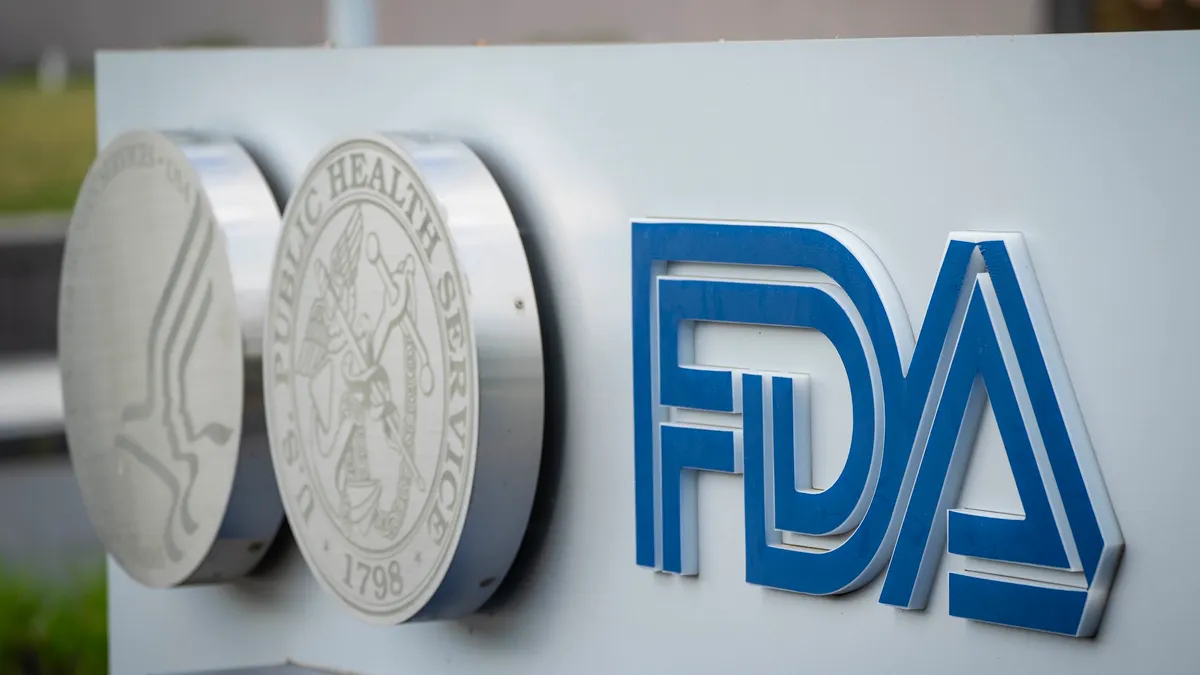
In a move widely interpreted by Wall Street and the biopharmaceutical industry as a pivot toward institutional stability, the Trump administration officially appointed permanent directors for the Food and Drug Administration’s two most critical divisions on September 8, 2026. Michael Davis and Karim Mikhail, who had been serving in interim capacities since May, were confirmed to lead the Center for Drug Evaluation and Research (CDER) and the Center for Biologics Evaluation and Research (CBER), respectively.
This announcement marks a significant cooling-off period for the agency, which has spent the better part of two years in a state of administrative flux. By solidifying these leadership roles, the administration aims to quiet the anxieties of investors and drug developers who have grown weary of the "erratic decision-making" that characterized the agency’s leadership during the mid-2020s.
The Context: A Period of Unprecedented Turbulence
The FDA regulates products accounting for approximately 20% of annual consumer spending in the United States, making it one of the most consequential agencies in the federal government. However, the second Trump administration’s tenure at the FDA has been defined by high-profile resignations, mass layoffs, and a revolving door of leadership that left the pharmaceutical pipeline in a state of paralysis.
The turmoil began in earnest with the tenure of Marty Makary, the administration’s first FDA commissioner. Makary’s appointment, initially lauded by some as a push for deregulation, quickly became a source of friction. His resignation in May, after just over a year in office, triggered a cascade of vacancies. The agency’s internal culture faced further strain under the influence of controversial figures like former CBER director Vinay Prasad, whose tenure was marked by highly public clashes over the validity of vaccine data and the approval pathways for gene therapies.
Chronology of Institutional Instability
To understand the significance of the September 8 appointments, one must look at the chaotic timeline that necessitated them:
- Early 2025: The FDA begins a cycle of aggressive restructuring, leading to the departure of several long-tenured civil servants.
- May 2026: Commissioner Marty Makary resigns, creating a power vacuum at the top of the agency.
- May 2026: Tracy Beth Høeg, the interim head of CDER, is abruptly fired. Michael Davis is tapped as her successor.
- June 2026: Vinay Prasad, having joined and left the agency twice in twelve months, departs permanently from CBER.
- Late June 2026: Katherine Szarama is named acting director of CBER but lasts only three weeks, highlighting the internal dysfunction of the era.
- July 2026: Karim Mikhail is brought in to stabilize the CBER division.
- August 2026: President Trump nominates policy aide Heidi Overton for the role of FDA Commissioner, signaling a shift toward a less ideologically combative, more delegatory leadership style.
- September 8, 2026: Davis and Mikhail are elevated to permanent director roles, formally ending the period of "acting" leadership.
Supporting Data and Analyst Perspectives
The market’s reaction to the permanent appointments has been cautiously optimistic. RBC Capital Markets analyst Brian Abrahams noted that the move provides a much-needed sense of continuity. "The appointment of the current interim directors is likely to be seen as a sign of stability that should help ease concerns that the FDA will see major shifts in policy," Abrahams wrote in a briefing to clients.
The data suggests that the "acting" leadership, which held the reins between the departures of the Makary-Prasad era and the current appointments, had already begun a subtle reversal of previous policies. Several drug candidates that were previously rejected or placed on indefinite holds were quietly reconsidered or granted accelerated review pathways. This pivot away from ideological rigidity toward more traditional regulatory frameworks has been interpreted as a "return to business as usual."
Furthermore, the professional backgrounds of the new directors provide a blueprint for the administration’s future focus:
- Michael Davis (CDER): With a robust history in both academic research and sponsor-side regulatory affairs, Davis is viewed as a pragmatic technocrat. His interest in the psychiatric and psychedelic drug markets is expected to benefit companies like Eli Lilly and others currently navigating the complex approval process for novel neurological treatments.
- Karim Mikhail (CBER): While Mikhail possesses fewer academic credentials in biological sciences compared to his predecessors, his decades-long career in private-sector leadership is seen as an asset. He is expected to prioritize efficiency and streamlined development, particularly for biotech firms looking to shorten the time from bench to market.
Official Responses and Strategic Implications
While the FDA has not released a formal manifesto detailing the new leadership’s agenda, the signals are clear: the era of "remaking the agency" from the ground up has likely concluded.
The primary challenge remaining for the administration is the confirmation of Heidi Overton as Commissioner. Should she be confirmed—a process currently facing significant political headwinds in the Senate—analysts expect a "delegator" approach. Unlike the "larger-than-life" approach seen under previous appointees, Overton is expected to rely heavily on the institutional expertise of directors like Davis and Mikhail.
This shift has deep implications for the biopharmaceutical sector. For the past two years, drugmakers were forced to operate in a "guessing game" environment, where the shifting political winds of the FDA could jeopardize multi-billion-dollar R&D projects. The consolidation of leadership suggests that the regulatory burden is becoming more predictable.
The Road Ahead: Stability vs. Reform
The move toward stability is not without its critics. Consumer advocacy groups have expressed concern that the push for "industry-friendly" leadership could undermine the agency’s primary mandate: ensuring the safety and efficacy of public health interventions. The history of the FDA is a constant tug-of-war between the speed of innovation and the rigor of public safety oversight.

The "Makary-Prasad era" was, in many ways, an experiment in aggressive reform that largely alienated the internal scientific staff of the FDA. The current pivot is a tacit admission that the agency functions best when it is managed by experienced hands who understand the delicate balance of regulatory science.
As the industry looks toward 2027, the focus will shift from the drama of the appointment process to the actual results of these new directors. Will they be able to restore the morale of the career scientists who remained through the turmoil? Will they be able to maintain public trust in the face of increasingly complex medical technologies?
For now, the biopharmaceutical sector breathes a collective sigh of relief. In the volatile world of federal health policy, the most desired commodity is not a revolution in oversight, but the quiet, consistent application of the law. With Michael Davis and Karim Mikhail at the helm, the FDA appears to have found its equilibrium—at least for the time being.
Summary of Key Leadership Profiles
| Name | Role | Professional Background | Expected Focus |
|---|---|---|---|
| Michael Davis | CDER Director | Academic & Sponsor-side Regulatory | Psychedelics, Neurological drug pipelines |
| Karim Mikhail | CBER Director | Large/Small Pharma Executive | Accelerated development, Biotech efficiency |
| Heidi Overton | Commissioner (Nominee) | Policy Aide | Delegatory management, Strategic oversight |
The appointment of these individuals marks a definitive end to the period of "erratic decision-making" that defined the previous two years. As the agency moves forward, investors and industry stakeholders will be watching closely to see if this new stability translates into a more robust and predictable approval process for the next generation of life-saving medicines.