







Maintaining physical independence as we age is not merely about visiting the gym; it is about cultivating the functional capacity required to navigate the world with ease. As we cross the threshold of 60, our body’s physiological landscape shifts. Muscle mass—the primary driver of metabolic health and mobility—begins to decline if not actively stimulated. However, this is not an inevitable decline; it is a signal that our approach to movement must become more intentional.
By utilizing simple, equipment-free strength checks, you can gain a clear, objective assessment of your current physical baseline. These markers—the bodyweight squat, the push-up, and the glute bridge—serve as the "vital signs" of functional fitness, revealing exactly where your body is strong and where it requires focused attention.
The Main Facts: Why Strength is Your Greatest Asset
Strength after 60 is the ultimate insurance policy. It is the difference between struggling to lift a grocery bag and carrying it with ease; it is the difference between relying on armrests to stand from a chair and doing so with fluid, independent motion.
When we talk about strength in this demographic, we are referring to "functional strength." This is the ability of the musculoskeletal system to produce force effectively, protecting the joints and enhancing stability. Research consistently demonstrates that those who maintain a solid strength base experience higher levels of bone density, better balance (which reduces fall risk), and enhanced metabolic efficiency. When your muscles are strong, they act as a "metabolic sink," helping to regulate blood sugar and maintain a healthy weight, which is critical for long-term health.
A Chronological Perspective: The Evolution of Movement
The journey of physical health often follows a predictable arc. In our 20s and 30s, movement is often centered on aesthetics and athletic performance. As we hit our 40s and 50s, the focus shifts toward maintenance and mitigating the wear and tear of a sedentary professional life.
By the time we enter our 60s, the priority must pivot toward functional longevity. Historically, the medical community emphasized cardiovascular health as the sole pillar of aging well. Today, however, the consensus has shifted. We now understand that strength training is just as important—if not more so—for longevity.
- The Foundation (Age 60-65): This is the window where you establish your "movement baseline." By testing your squat, push-up, and bridge capacity now, you create a benchmark.
- The Preservation (Age 65-75): With a benchmark in place, the goal becomes consistent, moderate-intensity training. This is where you refine form and increase "time under tension."
- The Optimization (Age 75+): At this stage, the focus is on maintaining the muscle mass you have built, prioritizing safety while ensuring that you continue to challenge your neuromuscular system regularly.
Supporting Data: What the Science Says
The physiological benefits of strength training are well-documented in clinical literature. According to studies published in the Journal of the American Geriatrics Society, resistance training is the most effective intervention for reversing sarcopenia—the age-related loss of skeletal muscle mass.
- Joint Health: Strength training increases the thickness of joint cartilage and strengthens the tendons and ligaments surrounding the joints.
- Cognitive Link: Emerging research suggests a correlation between muscle strength and cognitive function in older adults. The neuromuscular demands of controlled exercise stimulate brain-derived neurotrophic factor (BDNF), which supports neuroplasticity.
- Metabolic Impact: Muscle tissue is more metabolically active than fat. By increasing your lean muscle mass, you elevate your resting metabolic rate, providing a natural defense against age-related weight gain.
The Three Pillars of Functional Assessment
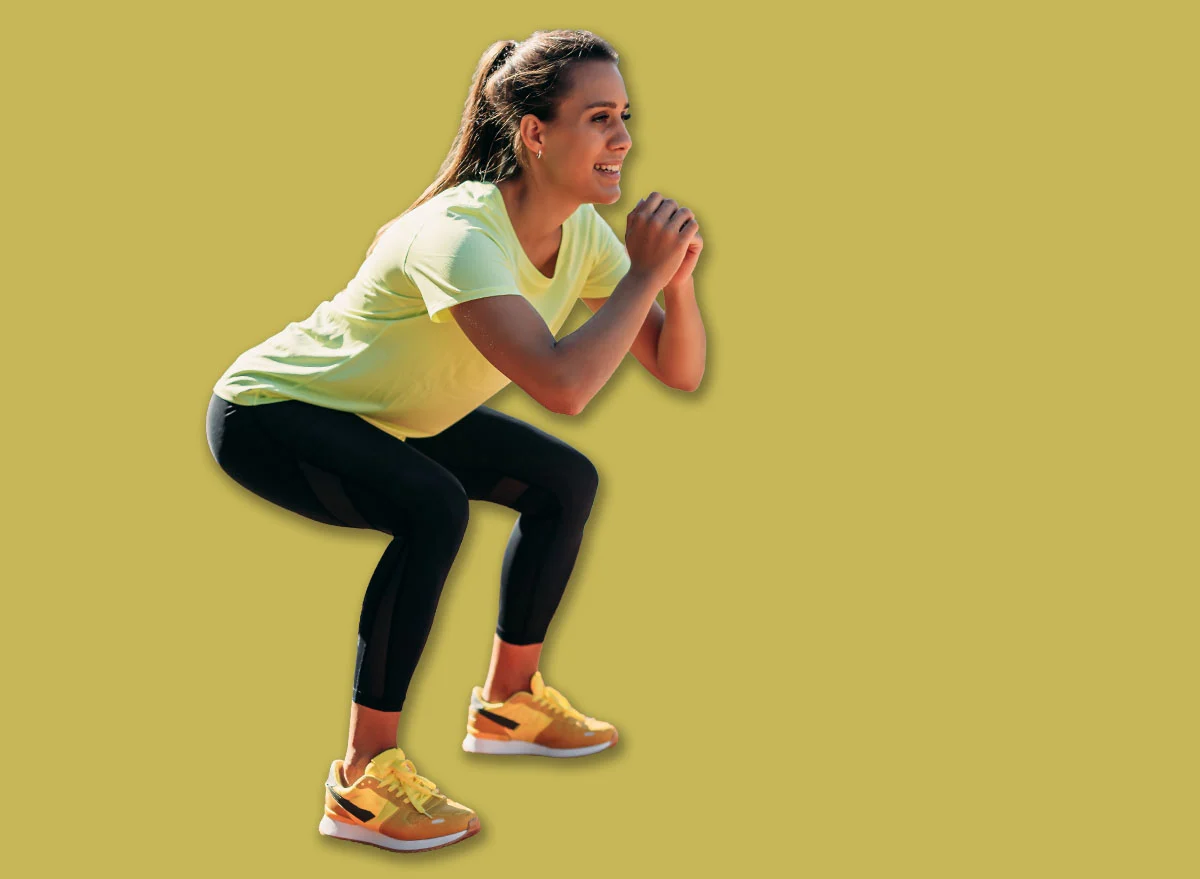
1. The Bodyweight Squat: Your Mobility Baseline
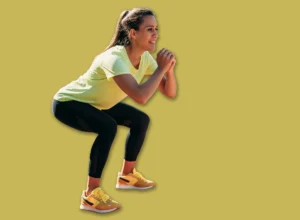
The squat is the fundamental movement pattern of human life. Whether you are getting out of bed, sitting at a dining table, or stepping over an obstacle, you are performing a variation of the squat.

- The Assessment: Can you lower your hips until your thighs are roughly parallel to the floor without losing balance or experiencing sharp pain?
- The Technique: Stand with feet shoulder-width apart. Hinge at the hips, keeping your chest up and your weight balanced across your entire foot—not just your toes or heels.
- Scaling: If a full squat is difficult, utilize a "box squat." Place a sturdy chair behind you and lower yourself until your glutes touch the seat before standing back up. This removes the fear of falling and allows you to focus on form.
2. The Push-Up: The Upper-Body Power Test
Upper-body pushing strength is often overlooked, yet it is vital for household tasks like lifting heavy items onto shelves or bracing yourself during a stumble.
- The Assessment: Can you perform a set of controlled repetitions while maintaining a rigid, straight line from your head to your heels?
- The Technique: Place your hands slightly wider than shoulder-width. Lower your chest toward the floor, keeping your elbows tucked at a 45-degree angle to your body.
- Scaling: Never force a floor push-up if your form is compromised. Begin with "Wall Push-Ups." Stand at arm’s length from a wall, place your hands on it, and perform the motion. As you grow stronger, move to a kitchen counter (incline push-up) before eventually moving to the floor.
3. The Glute Bridge: The Posterior Chain Anchor
The glutes are the largest muscles in the body, yet they often become "dormant" due to prolonged sitting. The glute bridge is the ultimate test of your posterior chain—the muscles that allow you to stand tall and walk with confidence.
- The Assessment: Can you lift your hips high enough to create a straight line from your shoulders to your knees without your lower back taking the brunt of the effort?
- The Technique: Lie on your back, knees bent, feet flat on the floor. Drive through your heels to lift your hips toward the ceiling. Squeeze your glutes at the peak of the movement.
- Scaling: If you struggle to activate your glutes, perform a "short-range" bridge, lifting your hips only a few inches off the ground until you feel the muscle engagement.
Expert Insights: Coaching for Longevity
As a coach, I often tell clients that these movements are not just exercises; they are "readiness indicators." When I work with individuals over 60, I look for three specific markers of quality:
- Control: Can you perform the movement slowly? A jerky movement often masks a lack of stability.
- Range of Motion: Are you moving through a full, pain-free range?
- Consistency: Can you perform these exercises three times a week without excessive soreness or joint inflammation?
If you find that your "rep quality" is low, that is not a failure—it is a roadmap. It tells us exactly which muscle groups are lagging. For instance, if you cannot maintain a straight line during a push-up, your core (the "bridge" between your upper and lower body) is likely your primary bottleneck.
Implications: Moving Forward with Confidence
The implications of these tests are profound. By performing these three checks, you move from a passive observer of your aging process to an active participant.
How to structure your training:
- Frequency: Aim for 3 sessions per week, with at least one day of rest in between to allow for muscular repair.
- Progression: Once you can hit the top end of the recommended rep range (e.g., 12 squats) with perfect form, increase the difficulty. This could mean slowing down the tempo (taking 3 seconds to lower yourself) or adding a small amount of weight.
- Recovery: Recovery is where the "strength" actually happens. Prioritize protein intake to support muscle synthesis and ensure you are getting adequate sleep.
Final Thoughts
Strength is not a destination; it is a habit. Whether you are currently able to do ten perfect push-ups or you are starting with wall-based variations, the key is the commitment to progress. Your muscles have the incredible capacity to adapt at any age. By checking your strength regularly, you aren’t just measuring your fitness—you are investing in the freedom to live your life on your own terms, long after 60.
Consult with your primary care physician or a physical therapist before beginning any new exercise regimen to ensure these movements are appropriate for your specific health history.