










In an era defined by desk-bound labor and the proliferation of screen-based entertainment, the physical toll of a sedentary lifestyle has become a primary focus of modern epidemiological research. While public health messaging has long emphasized the importance of regular exercise, a groundbreaking, large-scale analysis has shifted the conversation toward a more nuanced metric: the pattern of our sedentary behavior.
According to a comprehensive study published in PLOS Medicine, it is not merely the total number of hours we spend in a chair that dictates our long-term health, but rather the continuity of those hours. The research, led by Frederick Ho, suggests that prolonged, uninterrupted bouts of sitting are independently associated with a 9% higher risk of cancer mortality. This finding challenges the traditional "total volume" approach to physical activity, suggesting that how we accumulate our sedentary time is just as critical as the time itself.
Main Facts: The Anatomy of Sedentary Risk
The study, which tracked more than 91,000 adults, sought to untangle the relationship between sedentary behavior and cancer outcomes. By distinguishing between total daily sitting time and discrete, uninterrupted "bouts" of sitting, the researchers uncovered a sobering correlation.
For every additional hour spent in a single, unbroken stretch of sitting, the risk of cancer death rose by 9%. This correlation was not limited to a specific type of malignancy; it held steady across overall cancer incidence and was particularly pronounced in obesity-related cancers, including breast, colorectal, and pancreatic cancer, as well as those associated with Type 2 diabetes.
Crucially, the data indicated that total daily sitting hours—often used as the gold standard in health tracking—did not capture the same risk profile as uninterrupted sitting. This suggests that the human body may process prolonged stillness differently than it processes intermittent, shorter periods of sitting, even if the total daily duration remains the same.
A Chronology of Research: From Sedentary Trends to Modern Insights
The medical community has been sounding the alarm on "sitting disease" for over a decade, but the clarity of the evidence has evolved significantly.
- The Early Warning (2017): A foundational study highlighted that sitting for more than one hour without movement began to trigger metabolic shifts associated with premature death. At the time, data indicated that the average American spends between nine and ten hours seated daily.
- The Metabolic Link: Subsequent research revealed that even for those who maintain a rigorous gym routine, prolonged, sedentary behavior can independently double the risk of developing diabetes and heart disease. This phenomenon, often dubbed the "active couch potato" syndrome, suggests that one hour of exercise cannot entirely offset the physiological stagnation of the remaining 23 hours of the day.
- The Current Breakthrough (2026): The study led by Frederick Ho provides the most detailed look yet at the quality of sedentary time. By utilizing objective movement data from over 85,000 participants, researchers moved beyond self-reported surveys to create a clear picture of how human movement—or the lack thereof—impacts long-term survival.
Supporting Data: The Power of Movement
The research team did more than identify a threat; they modeled potential solutions. When researchers replaced one hour of prolonged, uninterrupted sitting with light physical activity, they observed a 12% reduction in the risk of cancer mortality.
This is supported by broader evidence regarding step counts. A study published in the British Journal of Sports Medicine found that walking 9,000 steps per day—a target far more attainable than high-intensity interval training—is associated with a 16% lower risk of developing cancer. Furthermore, long-term data published in JAMA spanning a ten-year follow-up period confirmed that higher daily step counts consistently correlate with lower rates of death from all causes, including heart disease and cancer.
These findings are vital because they offer a non-punitive path to health. By focusing on "light activity"—which includes standing, pacing, or walking—rather than requiring grueling exercise sessions, the data suggests that most adults can mitigate their risk profile through minor, frequent adjustments to their daily routine.

Official Responses and Scientific Nuance
Despite the compelling nature of the data, the research team is careful to emphasize that their work is observational. Because the study cannot prove direct causation, researchers acknowledge that confounding variables—such as diet quality, inflammation levels, and metabolic baseline health—may influence the relationship between sitting and cancer.
"Cancer mortality does not hinge on any single habit," note the researchers. "It is an intersection of nutrition, physical activity, genetic predisposition, and environmental exposures."
Public health officials have received these findings with cautious optimism. While they do not yet recommend specific "sitting limits" as official policy, the consensus is that the data provides a strong, measurable incentive for workplace wellness programs. The goal is to shift the culture of labor toward a "movement-first" mentality, where the body is encouraged to reset its metabolic state periodically throughout the day.
Implications: Building Movement into the Modern Day
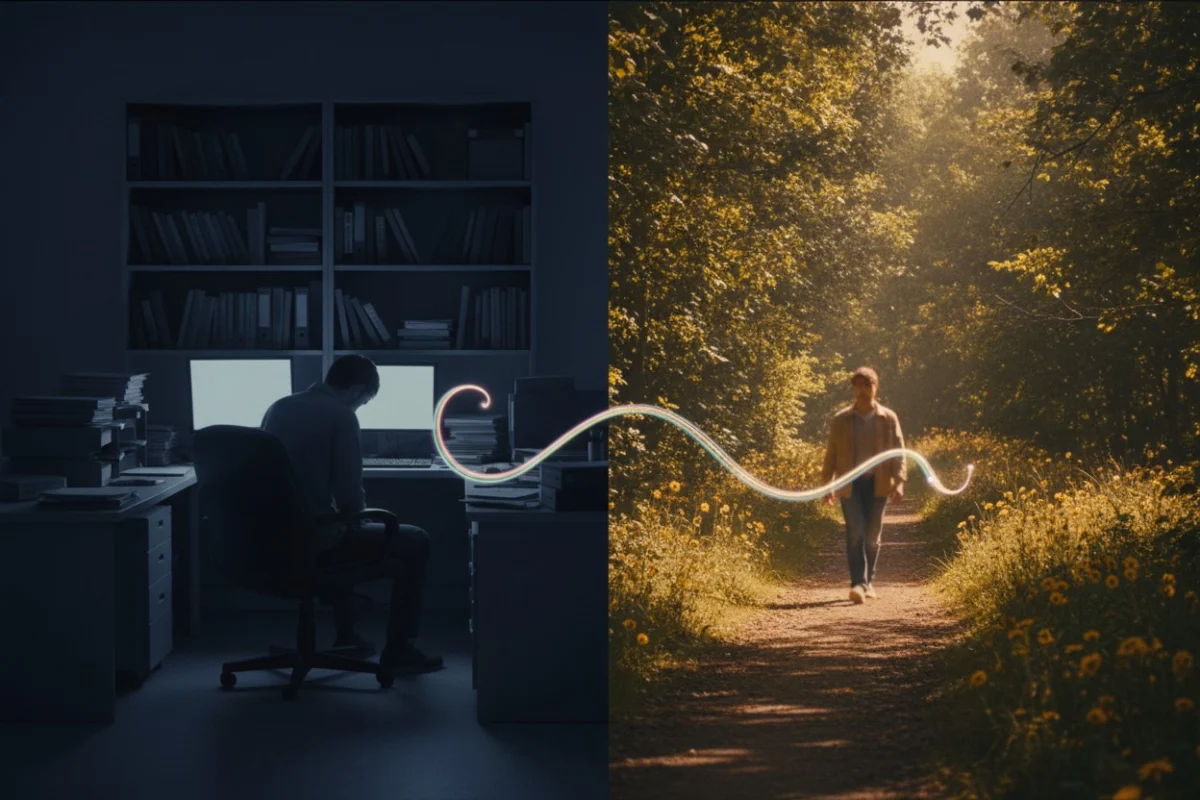
The practical implications of these findings are both liberating and actionable. If the danger lies in the uninterrupted nature of the sitting, the solution is simple: disruption.
Strategies for the Modern Worker
- The "Active Call" Rule: Make it a standard practice to stand or pace during all telephone or video calls. This simple behavior can break a one-hour sitting bout into smaller, safer segments.
- The Post-Meal Walk: Engaging in even five to ten minutes of light movement after a meal has been shown to assist in glucose regulation, preventing the metabolic spikes that occur when moving directly from a dining chair to a desk chair.
- The Timer Method: For those in deep-focus roles, setting a subtle, non-intrusive timer to trigger a stand-and-stretch break every 45 to 50 minutes can serve as a "metabolic reset."
- Environmental Nudges: Adjusting the workspace—such as using a standing desk or placing the trash can further away from the desk—encourages micro-movements that accumulate over the course of an eight-hour shift.
Conclusion: A Shift in Perspective
The identification of a 9% higher cancer death risk linked to uninterrupted sitting represents a significant, modifiable risk factor. For the average person, who may spend nearly half their day seated, this news is not meant to inspire panic, but to empower.
The evidence is clear: our bodies were not designed for the static existence that modern technology demands. While the complexities of cancer etiology remain vast, the consistency of the findings across multiple cancer types provides a compelling mandate for action. By simply breaking the cycle of stillness, we can take a measurable step toward longevity.
In summary, the most effective tool for long-term health may not be found in a supplement or a specialized training regimen, but in the simple, conscious decision to stand up, walk, and interrupt the stillness. As the research continues to unfold, the message to the public remains consistent: movement is medicine, and every step counts.
References
Note: The following references correspond to the data analyzed in the current research landscape regarding sedentary behavior.
- Ho, F., et al. (2026). Patterns of Sedentary Behavior and Cancer Mortality: A Longitudinal Analysis. PLOS Medicine.
- British Journal of Sports Medicine. Step Count and Cancer Incidence: A Large-Scale Meta-Analysis of Objective Data.
- JAMA Internal Medicine. The Association Between Daily Movement and All-Cause Mortality: A 10-Year Follow-Up Study.