For millions of Americans struggling with obesity, the journey to improved health has long been defined by a single, elusive metric: the number on the scale. However, a groundbreaking clinical trial published in the journal Cell Metabolism suggests that the "how" of weight loss may be just as important as the "how much."
The study, led by researchers at the Washington University School of Medicine in St. Louis, provides compelling evidence that a very low-carbohydrate, high-fat ketogenic (Keto) diet offers superior metabolic advantages for individuals with obesity and prediabetes compared to traditional Mediterranean or low-fat, plant-forward diets. By controlling for total weight loss, researchers have isolated the specific physiological impacts of macronutrient composition, revealing that what we eat—not just how many calories we consume—is a critical lever in reversing metabolic dysfunction.
The Metabolic Landscape: A New Perspective on Obesity
Obesity is currently estimated to affect approximately 40% of the adult population in the United States. Beyond the physical burden of excess weight, obesity is frequently accompanied by a constellation of metabolic issues, most notably non-alcoholic fatty liver disease (NAFLD) and prediabetes.
While conventional medical advice often centers on a caloric deficit—achievable through a variety of dietary patterns—the clinical community has long debated whether one specific diet offers a "metabolic edge." The study, authored by a team including Samuel Klein and Max Petersen, sought to answer this question by stripping away the noise of variable weight loss and focusing on the cellular response to specific fuel sources.
Chronology: The Design of a Rigorous Trial
To ensure the integrity of the data, the research team conducted a highly controlled, four-to-five-month clinical trial involving 42 participants, all of whom presented with obesity, prediabetes, and fatty liver disease.
Phase 1: Stratification and Baseline
Participants were randomly assigned to one of three distinct nutritional protocols:
- The Ketogenic Diet: A high-fat, ultra-low-carbohydrate regimen (4% carbohydrates, 73% fat).
- The Mediterranean Diet: A moderate approach (50% carbohydrates, 35% fat), emphasizing olive oil, nuts, fish, and legumes.
- The Plant-Forward Low-Fat Diet: A high-carbohydrate, low-fat protocol (70% carbohydrates, 15% fat).
Phase 2: The Intervention
Crucially, the research team provided all meals to the participants, eliminating the "human error" factor common in dietary studies. Weekly consultations with registered dietitians ensured strict adherence to the macronutrient targets.
Phase 3: The Weight Loss Equalizer
To isolate the effects of the food composition, researchers adjusted caloric intake individually. The goal was to force a uniform weight loss of approximately 10% across all three groups. This design was essential: it prevented the study from becoming a simple "which diet makes you lose weight faster" test, instead transforming it into a study on the physiological response to macronutrients under weight-neutralizing conditions.
Supporting Data: Unpacking the Results
By the conclusion of the study, the success of the weight loss intervention was evident across the board. Every participant group saw significant reductions in total body fat and improvements in insulin sensitivity. However, when researchers dove into the blood panels and liver imaging, a clear hierarchy emerged.
The Liver Fat Advantage
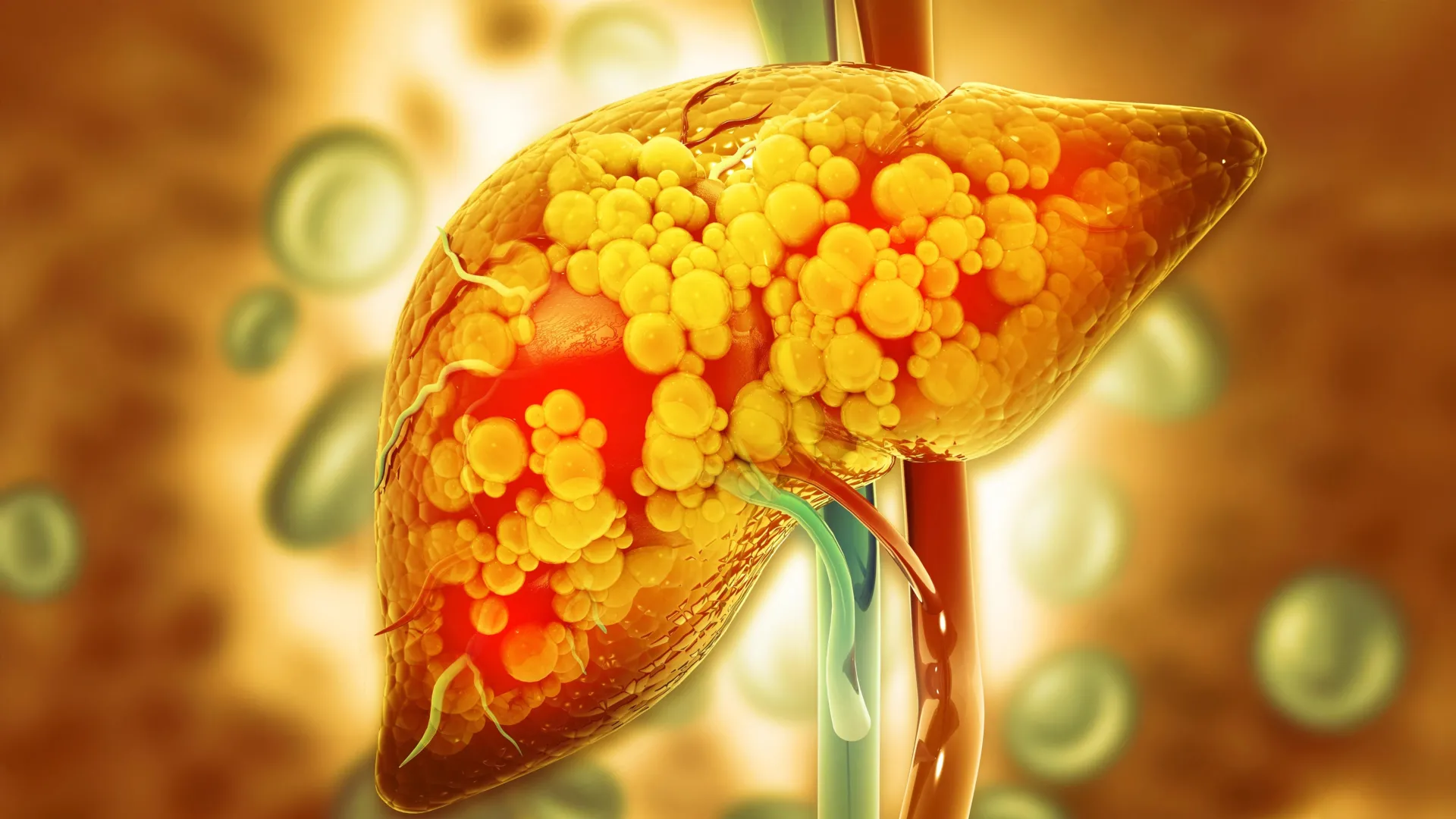
The most striking disparity was found in the liver. Non-alcoholic fatty liver disease is often the "silent" precursor to more severe metabolic failure.
- Keto Group: Experienced an average reduction of 67% in liver fat.
- Mediterranean & Plant-Forward Groups: Both saw an average reduction of 45%.
This 22-percentage-point difference suggests that the ketogenic state—characterized by the body’s reliance on ketone bodies for fuel—induces a unique biological pathway that aggressively clears lipid accumulation from the liver.
Hormonal Shifts
The team performed intensive 24-hour metabolic monitoring. The Keto group exhibited a distinct hormonal profile, marked by:
- Increased Glucagon: This hormone, often suppressed by high-carbohydrate intake, was elevated in the Keto group, facilitating the mobilization and breakdown of stored liver fat.
- Reduced Insulin: The Keto group saw the most dramatic drop in fasting insulin levels. Because insulin is a fat-storage hormone, its chronic suppression is widely considered a cornerstone of reversing insulin resistance.
The Cholesterol Paradox
One of the most debated aspects of the ketogenic diet has historically been its potential impact on cardiovascular health, specifically blood lipids. Given that the diet is high in saturated fat, many expected to see a rise in LDL cholesterol or triglycerides.
"The most surprising finding was that participants in the ketogenic diet group didn’t experience an increase in blood fat or cholesterol levels despite consuming the most fat," noted Max Petersen. This indicates that for this specific demographic, the metabolic benefits of weight loss and carbohydrate restriction may buffer the potential cardiovascular risks associated with a high-fat diet.
Official Responses and Expert Commentary
The medical community has reacted with cautious optimism. While the results are promising, experts emphasize that the study was conducted in a controlled environment, which is significantly different from the "real-world" application of these diets.
"We know weight loss can improve metabolic health in people who are obese," said Samuel Klein, the study’s corresponding author. "Our data suggest that if you have high liver fat content and prediabetes, reducing carbohydrate intake can have important therapeutic effects on metabolism beyond just weight loss alone."
Dr. Petersen added context regarding the current state of obesity treatment. "GLP-1-based medications have revolutionized the therapy of obesity. We now have a very effective pharmacotherapy for achieving significant weight loss. But in addition, our study shows that the specific composition of the diet can give you added benefits."
The consensus among the researchers is that diet should not be viewed as an "either/or" with medication, but as a primary tool for disease modification. By optimizing the hormonal environment through diet, patients may be able to maximize the therapeutic outcomes of their medical treatments.
Clinical Implications: The Future of Dietary Prescription
The findings of this study have profound implications for how doctors prescribe lifestyle changes to patients with metabolic syndrome.
1. Tailoring the "Prescription"
If a patient’s primary health goal is the reversal of fatty liver disease or the correction of prediabetes, this study suggests that a ketogenic approach may be the most efficient clinical "prescription." It moves the focus away from generic "healthy eating" toward targeted metabolic intervention.
2. Moving Beyond Calorie Counting
The "calories-in, calories-out" model, while physically accurate, is increasingly viewed as an incomplete picture of health. The study reinforces the importance of the hormonal environment—specifically the role of insulin and glucagon—in determining how the body stores and utilizes fat.
3. Sustainability and Support
The study also highlights a vital, often overlooked factor: the role of professional support. The participants were provided with all meals and weekly dietetic counseling. For the general public, the primary barrier to a ketogenic diet is not just its metabolic mechanism, but its strictness. To replicate these results in the real world, the study implies that patients need more than just a list of foods; they need systemic support and meal-planning resources.
4. A New Tool in the Toolkit
For those currently suffering from the comorbidities of obesity, the inclusion of a ketogenic protocol offers a new path to remission. With 50% of the keto group effectively reversing their prediabetes—a stark contrast to the 7% success rate in the plant-forward group—the data provides a strong argument for re-evaluating the "low-fat" paradigm that has dominated nutritional guidelines for the past several decades.
Conclusion: Looking Ahead
The research, supported by the National Institutes of Health and the Foundation for Barnes-Jewish Hospital, serves as a beacon for precision nutrition. While more long-term studies are needed to determine the sustainability and safety of long-term ketogenic adherence, the short-term evidence is undeniable: when it comes to liver health and insulin sensitivity, the composition of the diet matters immensely.
As the obesity crisis continues to challenge global health systems, these findings remind us that medicine is not just about the interventions we provide, but the fuel we choose to put in our bodies. By understanding the intricate hormonal responses to different macronutrients, clinicians may soon be able to offer a more tailored, effective, and transformative approach to metabolic health.