










Across the vast landscape of Indian Country, a quiet but profound revolution is taking place. For generations, Tribal Nations have confronted a behavioral health crisis rooted in the systemic scars of historical trauma, forced displacement, and a chronic underinvestment in essential healthcare infrastructure. Today, however, that narrative is shifting. By marrying the precision of modern clinical science with the enduring power of ancestral wisdom, Tribal Nations are creating a new gold standard for recovery—one that views healing not merely as the absence of substance use, but as the restoration of identity, community, and spirit.
The Crisis: A Legacy of Disparity
The data provided by the Indian Health Service (IHS) paints a sobering picture: Native populations experience rates of substance use disorder, suicide, and co-occurring mental health conditions that persist well above the national average. These disparities are not accidental; they are the cumulative result of decades of marginalization and the imposition of Western clinical models that often failed to account for the unique socio-cultural realities of Indigenous life.
For too long, standardized behavioral health systems operated on an individualistic, pathology-focused basis. These systems often overlooked the role of spirituality, kinship, and cultural identity, inadvertently alienating the very populations they were designed to serve. The result was a revolving door of treatment that struggled to achieve long-term retention or lasting recovery.
Chronology: From Erasure to Integration
To understand the current shift, one must look at the evolution of treatment models over the last half-century.
- 1970s–1980s: The Era of Standardized Care. During this period, federal and state-funded treatment programs for Native populations were almost exclusively modeled after Eurocentric, 12-step, or clinical-only approaches. These programs rarely integrated traditional medicine, and in some instances, cultural practices were actively discouraged or prohibited within clinical settings.
- The 1980s: The Birth of the Wellbriety Movement. A pivotal turning point arrived with the development of the "Wellbriety" movement by White Bison. Recognizing that Native communities needed a recovery framework that spoke their language, leaders began adapting 12-step principles to align with Indigenous teachings, ceremony, and storytelling. This was the first major step toward reclaiming the recovery space.
- 2000s–2010s: The Rise of Evidence-Based Cultural Adaptation. As the Substance Abuse and Mental Health Services Administration (SAMHSA) began to fund more research into Native-led initiatives, data emerged showing that culturally adapted programs significantly outperformed standardized models in engagement and trust-building.
- Present Day: The Integrated Continuum. Today, Tribal Nations are no longer choosing between "clinical" and "traditional." Instead, they are building integrated, holistic ecosystems where residential treatment, medication-assisted treatment (MAT), and mental health counseling exist alongside sweat lodges, talking circles, and traditional arts.
Supporting Data: Why Culture is Clinical
The argument for integrating tradition into recovery is no longer just anecdotal—it is supported by robust research. Studies from SAMHSA’s Native Connections initiative and independent scholarly research published in journals like the Journal of Studies on Alcohol and Drugs have consistently demonstrated that cultural integration is a clinical imperative, not a luxury.
Engagement and retention rates in programs that incorporate cultural practices are markedly higher than in those that do not. Researchers attribute this to the concept of "cultural safety." When a participant feels that their worldviews, spiritual practices, and identity are respected within the treatment environment, the barrier of shame—often a byproduct of historical trauma—is significantly lowered.
Furthermore, ceremonial practices such as sweat lodges have been found to reduce physiological markers of stress and isolation. By creating a protected, sacred space for emotional release, these ceremonies facilitate a form of "communal processing" that individual therapy sessions often cannot replicate.
The Components of Holistic Healing
Modern, tribally grounded recovery programs are characterized by a multi-faceted approach to wellness:
The Wellbriety Framework
Wellbriety is more than a recovery program; it is a philosophy of life. By focusing on balance, accountability, and the "Four Directions," it provides a roadmap for individuals to reconnect with their community and their heritage. It replaces the stigma of addiction with the strength of tribal identity.
Talking Circles and Peer Support
Talking circles are the bedrock of community-based healing. By ensuring every participant has an equal voice and by emphasizing the act of deep listening, these circles break the cycle of isolation. They focus on collective healing rather than individual diagnosis, which aligns with the traditional tribal value that when one person heals, the whole community becomes stronger.
Arts and Cultural Continuity
Activities like beadwork, traditional drumming, and shawl-making are essential components of occupational therapy in these settings. These activities serve as "cultural anchors." They require mindfulness and emotional regulation, helping participants rebuild the cognitive pathways often damaged by substance abuse, while simultaneously fostering pride in one’s heritage.
Official Perspectives: A Leadership View
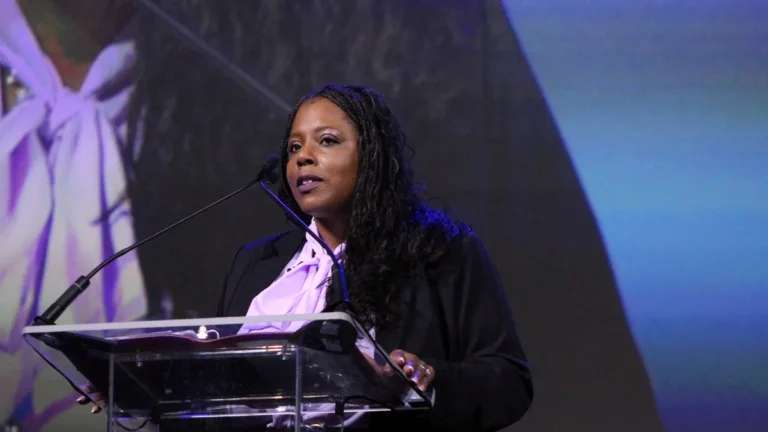
Selena Stockley, Executive Director of Pawnee Nation Behavioral Health, has spent over 25 years navigating the intersection of executive leadership and community-focused care. Her perspective, reflective of a broader movement among tribal health directors, underscores the necessity of community-led design.
"At Pawnee Nation Behavioral Health," Stockley notes, "our mission is to provide care that honors the unique needs of our people. We recognize that recovery is not a one-size-fits-all process. By integrating traditional healing practices alongside modern clinical interventions, we are able to reach individuals who might have otherwise been left behind by standard systems."
Stockley’s approach highlights the central tenet of the modern tribal healthcare model: leadership must be rooted in the community. When tribal members design their own systems, they ensure that the care is not just technically competent, but culturally resonant.
Implications: The Future of Indigenous Healthcare
The implications of this shift are profound. As Tribal Nations continue to invest in their own behavioral health infrastructure, they are effectively decolonizing the treatment process. This has three primary outcomes:
- Sustainability: Recovery models that focus on cultural identity are inherently more sustainable because they provide the individual with a sense of belonging that lasts long after the treatment program ends.
- Intergenerational Healing: By treating the family and the community, rather than just the individual, these programs address the intergenerational nature of trauma. They are creating a buffer for future generations, effectively breaking cycles of addiction.
- A Model for the World: The success of these integrated models provides a template for other marginalized or underserved communities. The lesson is clear: for any population that has experienced systemic erasure, true healing requires the restoration of the cultural self.
Conclusion: Restoring Dignity and Hope
The movement toward culturally grounded recovery is an act of resilience. It is an acknowledgement that while addiction has caused immense suffering, the solutions lie within the traditions, ceremonies, and communal bonds that have sustained Tribal Nations for millennia.
As these systems continue to expand, they are redefining what it means to be "in recovery." It is no longer just about the cessation of a substance. It is about the revitalization of the human spirit. It is about restoring dignity, reclaiming identity, and ensuring that future generations grow up with the knowledge that their community has the wisdom and the strength to heal itself.
The foundation of sustainable recovery in Indian Country is, and has always been, the culture. By centering this truth, Tribal Nations are not just fixing a broken system—they are building a new, vibrant future.
This article appears through the MedCity Influencers program. For more information on how to contribute your perspective on the future of healthcare, please visit the MedCity News website.