










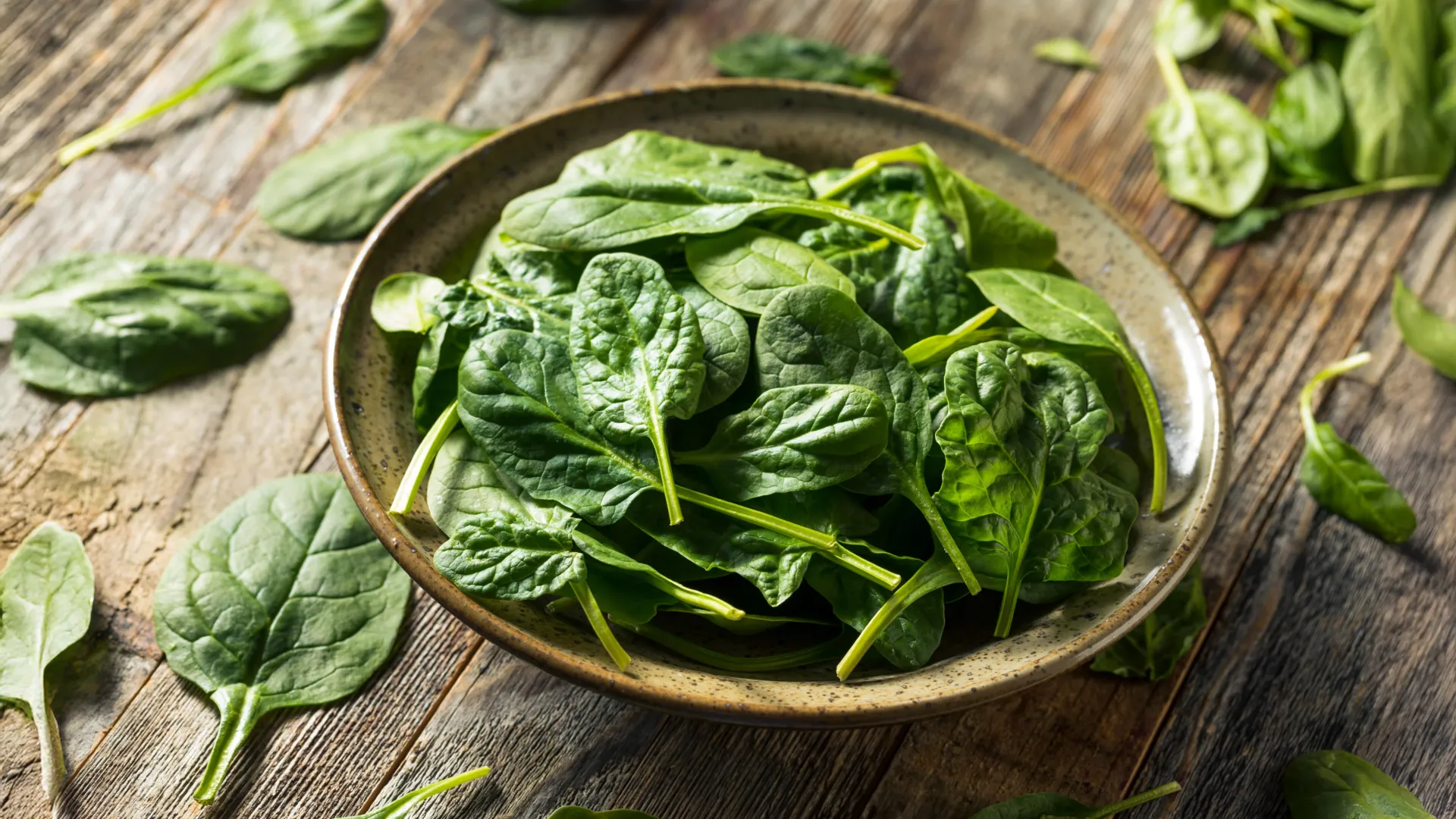
For decades, patients suffering from inflammatory bowel disease (IBD)—a category that includes Crohn’s disease and ulcerative colitis—have been told that plant-based foods like spinach, almonds, and sweet potatoes are pillars of a healthy, anti-inflammatory lifestyle. However, groundbreaking research from the University of North Carolina (UNC) School of Medicine is challenging this conventional wisdom, suggesting that for a specific subset of patients, these nutritious staples may be inadvertently fueling the very inflammation they seek to calm.
A study published on August 13, 2026, in the journal Cellular and Molecular Gastroenterology and Hepatology (CMGH) has unveiled a critical, previously overlooked connection: a natural compound called oxalate, when handled improperly by a compromised gut, may act as a potent driver of intestinal inflammation.
The Core Discovery: A Molecular Breakdown in Gut Transport
At the heart of the research is the biological mechanism by which the body processes oxalate. Oxalate is a naturally occurring molecule found in a vast array of plant-based foods. In a healthy digestive tract, the majority of dietary oxalate is handled efficiently; it passes through the system and is safely excreted in the stool without causing systemic distress.
However, the team at UNC, led by postdoctoral scholar Anna Salvador, PhD, RD, LDN, and Shehzad Z. Sheikh, MD, PhD, discovered that the intestinal landscape in IBD patients is fundamentally different. Their research identified that two critical transporter proteins, SLC26A2 and SLC26A3, which are responsible for moving oxalate out of the gut and into the bloodstream for excretion, are significantly under-expressed in patients with both ulcerative colitis and Crohn’s disease.
This reduction in transporter activity was observed across affected tissues, regardless of whether the patient was experiencing an active "flare-up" or was in a period of remission. Furthermore, the researchers noted a disturbing trend: the more inflamed the intestinal tissue became, the lower the expression of these vital proteins dropped, suggesting a self-perpetuating cycle of damage and impaired waste management. When these transporters fail to function, oxalate remains trapped in the intestinal lining, where it acts as a chemical irritant, amplifying the inflammatory response characteristic of IBD.
Chronology of the Investigation
The journey to this discovery involved a multi-faceted approach, combining human clinical data with rigorous laboratory experimentation.
Phase 1: Human Observational Studies (2024–2025)
The research team began by analyzing gene activity and stool samples from a cohort of patients with IBD compared to a healthy control group. By employing both validated dietary questionnaires (Diet History Questionnaire III) and the innovative use of DNA metabarcoding—a molecular method that identifies plant species through stool analysis—the researchers were able to quantify exactly what patients were consuming versus what was being eliminated.
Phase 2: Identifying the Discrepancy
The researchers reached a startling conclusion: patients with Crohn’s disease had significantly higher levels of oxalate in their stool than healthy individuals, even when both groups consumed similar amounts of plant-based foods. This disparity provided the "smoking gun" that the issue was not the consumption of the plants themselves, but a failure of the gut to process the compounds within them.
Phase 3: Validating in Animal Models (2025–2026)
To confirm that this wasn’t just a correlation, the team moved to animal models. In mice genetically predisposed to colitis, the addition of dietary oxalate caused disease to manifest earlier and with greater severity. Mice receiving an oxalate-supplemented diet in conjunction with substances that induce colitis saw a 60% reduction in survival rates compared to those on a standard diet.
Phase 4: Cellular Analysis
The final piece of the puzzle involved cell culture experiments. The team observed that exposure to oxalate directly intensified the inflammatory response in macrophages and dendritic cells—the immune system’s "first responders" in the gut. This proved that oxalate is not merely a bystander in IBD, but an active participant in the inflammatory cascade.
Supporting Data: The Complexity of the Gut Environment
The data gathered by Dr. Salvador and her colleagues provides a new, granular look at the pathology of IBD. The discovery that SLC26A6 expression levels are linked to "stricturing" Crohn’s disease—a severe form of the condition involving narrowing of the intestines due to scar tissue—is particularly significant.
Nearly 75% of patients presenting with low SLC26A6 expression were found to have stricturing disease. This suggests that the study of oxalate transporters may eventually serve as a prognostic tool. By screening for the expression of these genes, clinicians may be able to identify patients at a higher risk of developing aggressive, life-altering complications, allowing for earlier and more targeted therapeutic interventions.
Furthermore, the study sheds light on the role of the gut microbiome. The researchers noted that Oxalobacter formigenes, a type of bacteria known for its ability to break down oxalate, is often found in lower abundance in IBD patients. This creates a "double-hit" scenario: the patient lacks the transporters to move oxalate out of the tissue, and they lack the microbial partners to break it down in the gut lumen.
Official Perspectives: A New Therapeutic Horizon
The leadership of the UNC School of Medicine has hailed this study as a landmark in personalized nutrition and gastroenterology.
"Dr. Salvador really conceptualized and drove this work from the beginning," said Dr. Shehzad Z. Sheikh, Professor of Medicine and Genetics. "She asked a question that hadn’t been asked before: What if a specific dietary molecule is an active driver of gut inflammation in IBD, not just a bystander? The rigor she brought to answering it is what makes these findings so compelling."
Dr. Sheikh emphasizes that while the findings are revolutionary, they must be interpreted with caution. The research does not advocate for the mass elimination of plant-based foods, which are essential for gut health and overall systemic wellness. Instead, it argues for a move toward "precision nutrition."
"Diet is one of the most powerful, modifiable levers we have in medicine," Dr. Sheikh added. "This study gives us a molecular framework to start using it more precisely. We are moving away from broad, one-size-fits-all dietary advice and toward a model where we understand how specific molecules interact with an individual’s genetic and microbial profile."
Implications: What This Means for Patients
For those currently living with Crohn’s or ulcerative colitis, these findings offer both a warning and a potential path forward.
1. Reframing the "Healthy Diet"
Patients should not take this as a cue to stop eating vegetables. Rather, it suggests that for those who are genetically susceptible, the "standard" healthy diet may need to be adjusted. The researchers recommend that patients consult with their gastroenterologists or a specialized dietitian before making significant changes to their intake of high-oxalate foods, such as spinach or nuts.
2. Future Microbiome Therapies
The potential to restore the populations of oxalate-degrading bacteria like Oxalobacter formigenes offers a promising avenue for treatment. If scientists can successfully introduce or support these bacteria, it could provide a biological solution to the problem, potentially alleviating the need for strict dietary restrictions.
3. Precision Diagnostics
The study paves the way for a future where a simple genetic test or biomarker screening could tell a patient whether their specific case of IBD is oxalate-sensitive. This would allow for a customized treatment plan that addresses the patient’s unique biological challenges rather than relying on trial-and-error symptom management.
Conclusion: A Call for Further Research
Despite the excitement surrounding these results, the research team is careful to note that they are not yet issuing clinical guidelines for diet changes. The next phase of this research will involve larger, long-term longitudinal studies that combine stool oxalate measurements, detailed dietary tracking, and comprehensive microbiome profiling.
"For patients living with Crohn’s disease or ulcerative colitis, this research opens a genuinely new therapeutic angle—one that connects the food on their plate to the inflammation in their gut," concluded Dr. Sheikh. As the scientific community continues to peel back the layers of how diet and disease interact, the work of the UNC team serves as a vital reminder that the path to healing is rarely found in broad generalizations, but in the intricate, molecular details of human biology.
The study was supported by the Helmsley Charitable Trust, the National Institute of Diabetes and Digestive and Kidney Diseases (NIDDK), the Chan Zuckerberg Initiative, Schmidt Sciences, the Burroughs Wellcome Fund, and additional National Institutes of Health sources. Co-authors span UNC-Chapel Hill, Texas A&M University, and Duke University.