











As we navigate the later chapters of life, the physical changes we experience are often most visible around the midsection. The "tummy roll"—a common phenomenon where clothing once comfortable suddenly feels restrictive—is more than just a matter of aesthetics. It is a biological reality for many adults over 60. However, the true concern with abdominal weight gain lies beneath the surface; excess fat in the waistline is clinically linked to an increased risk of heart disease, metabolic dysfunction, and stroke.
To combat these risks and build a resilient, functional body, many fitness experts are turning their attention to a surprisingly accessible tool: the chair. By incorporating a targeted seven-minute chair routine, seniors can improve core stability, posture, and overall quality of life.
The Reality of Midsection Health
It is a common misconception that one can "spot-reduce" fat by performing endless crunches or sit-ups. Jennifer Scherer, MS, RDN, ACE-CPT, a Medical Exercise Specialist and the Founder of Fredericksburg Fitness Studio, cautions against this myth. With over two decades of experience in nutrition and exercise science, Scherer emphasizes that while specific exercises can strengthen the musculature under the belly, they do not magically dissolve fat cells.
"A seven-minute chair workout can absolutely strengthen the core and improve posture, stability, and how someone carries their midsection, but we can’t spot-reduce abdominal fat through abdominal exercises," Scherer explains.
Instead, the path to a healthier midsection requires a holistic approach. Effective weight management in one’s 60s and beyond is a triad of total-body resistance training, cardiovascular activity, and a nutrient-dense diet.
Chronology of a Well-Rounded Wellness Routine
Integrating a routine into your daily life should be a progressive, thoughtful process. Experts recommend the following structure to ensure longevity and efficacy:
1. Daily Cardiovascular Movement
Walking remains the gold standard for cardiovascular health. It increases daily energy expenditure, supports metabolic health, and improves body composition. Aim for 30 minutes of moderate activity, such as brisk walking, to stimulate fat metabolism.
2. The Seven-Minute Core Routine
Once the body is warm, shift to targeted chair exercises. This routine should be performed on a sturdy, non-rolling chair to ensure safety. The goal here is not "burning" the abs, but rather training them to function as they do in real-life scenarios: stabilizing the spine and transferring force between the upper and lower body.
3. Progressive Resistance Training
The "missing link" for many seniors is total-body resistance training. Engaging the larger muscle groups—legs, back, and chest—increases resting metabolic rate, which is critical for long-term weight management.
Supporting Data: Why Function Matters More Than Aesthetics
When we look at exercise for the 60+ demographic, the goal must shift from "six-pack abs" to functional independence. The core’s primary evolutionary purpose is to protect the spine and allow for fluid movement.
Scherer notes that effective core exercises for older adults should mimic the demands of daily life. "I love exercises that don’t isolate the ‘abs’ from the rest of the body because that’s not how we use the core in everyday life," she says. Whether you are carrying groceries, reaching for a high shelf, or simply rising from a chair, your core is the anchor.
Expert-Recommended Chair Exercises
To build a stronger, more stable foundation, incorporate these seven exercises into your daily routine. Each movement should be performed with control and intention.
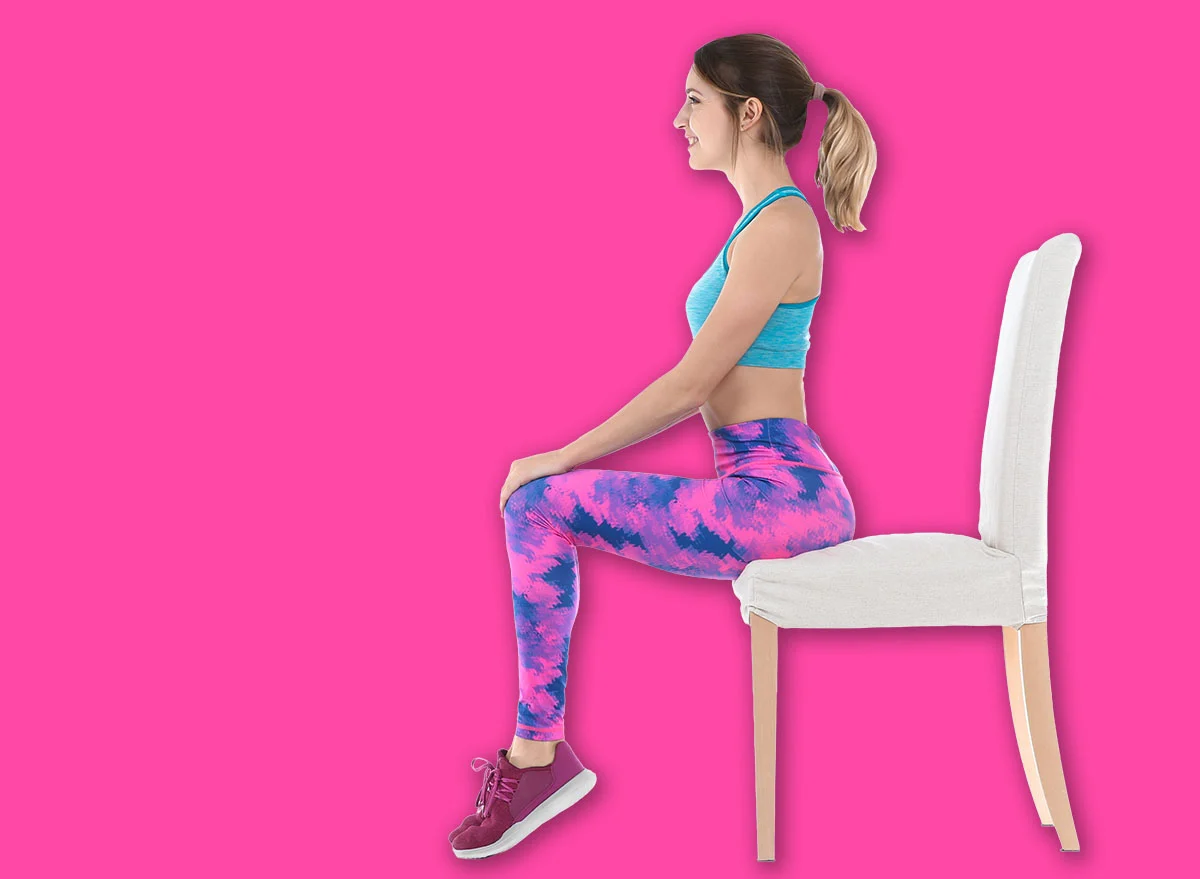
H3: Seated Marches
This movement targets the deep abdominal stabilizers and the hip flexors.
- The Technique: Sit tall, feet flat. Lift one knee toward the ceiling, keeping the trunk rigid.
- The Benefit: It challenges the pelvis to remain stable while the legs are in motion, preventing the "swaying" motion often seen in sedentary individuals.
H3: Seated Knee Extension With Abdominal Brace
This exercise bridges the gap between leg strength and core activation.
- The Technique: Sit at the edge of the chair. Extend one leg straight out while bracing your stomach as if expecting a gentle punch.
- The Benefit: It teaches the core to stay engaged while the quadriceps work under tension, mirroring the stabilization required during walking.
H3: Seated Alternating Knee Lifts
- The Technique: Engage the abdominal wall, lift one knee, pause, and lower it. Repeat on the opposite side.
- The Benefit: This creates an isometric contraction throughout the entire abdominal wall, which is essential for maintaining an upright posture.
H3: Seated Controlled Rotations
- The Technique: With hands across your chest, rotate your torso gently from left to right.
- The Benefit: By focusing on "controlled" movement rather than maximum range, you train the obliques to handle the rotational forces that occur during common activities like driving or turning to look behind you.
H3: Seated Side Bends
- The Technique: Lean to the side, reaching toward the floor without collapsing the chest.
- The Benefit: This strengthens the quadratus lumborum, a key muscle for stabilizing the trunk during lateral movements and carrying weight.
H3: Chair-Supported Sit-to-Stands
- The Technique: Stand up from the chair using your legs, then slowly lower yourself back down.
- The Benefit: This is arguably the most functional movement for longevity. It requires massive trunk stabilization and builds the glutes and quads necessary for maintaining independence.
H3: Tall-Posture Abdominal Brace With Alternating Heel Lift
- The Technique: Maintain a rigid, "tall" spine while lifting one heel at a time.
- The Benefit: This is the ultimate test of deep core stability, teaching the muscles to hold the spine neutral while the lower body initiates movement.
Implications for Long-Term Health
The implications of adopting this routine go far beyond the fit of your jeans. A weak core is a primary predictor of falls, lower back pain, and a decrease in daily activity levels. By spending seven minutes a day on the chair, you are investing in your future self.
The strategy is simple:
- Stop chasing "spot-reduction": Focus on the entire body.
- Prioritize stability: Train the core to protect the spine, not just to look good.
- Stay consistent: As Scherer suggests, the most effective program is the one that gets done.
Final Thoughts: A Mindset Shift
Aging is a natural process, but the decline in physical strength that often accompanies it is not inevitable. By integrating these chair exercises into a lifestyle that includes walking, balanced nutrition, and resistance training, you can reclaim your stability and improve your posture.
Remember, the goal is not to punish the body, but to empower it. Whether you are 60, 70, or beyond, it is never too late to start building a stronger, more resilient midsection. Consult with your healthcare provider or a certified fitness professional before beginning a new exercise regimen to ensure these movements are appropriate for your specific health needs. By taking these small, deliberate steps today, you are laying the groundwork for a more active and independent tomorrow.