








By Investigative Editorial Staff
For millions of Americans living with chronic pain, the physical sensation is often only half the battle. The true, hidden epidemic lies in the profound isolation that accompanies long-term illness—a phenomenon described by advocate and author Molly Kamper as the "Lonely Heart." When pain becomes a constant companion, it often brings with it a distorted perspective: the belief that one’s suffering is unique, insurmountable, or inherently more intense than that of others. This mental trap, while understandable, serves as a barrier to both emotional recovery and community connection.
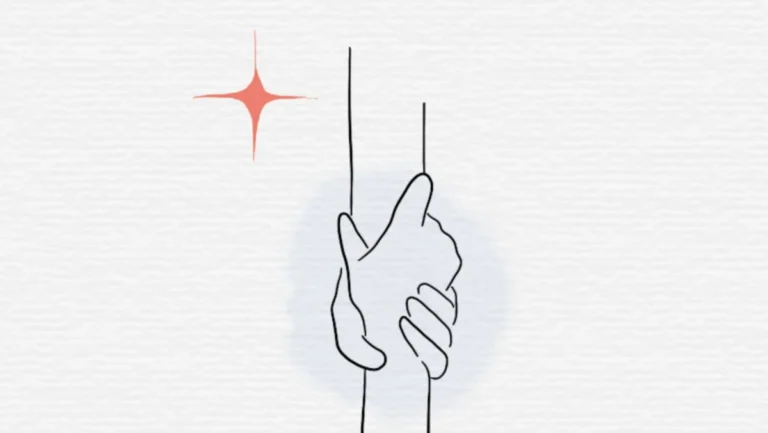
In a recent reflection published via the U.S. Pain Foundation, Kamper challenges this narrative, arguing that the path to healing is not found in the privatization of suffering, but in the radical act of collective empathy. By shifting the perspective from "my pain" to the universal reality of "pain itself," patients may find a roadmap toward reclaiming their autonomy and sense of belonging.
The Anatomy of the "Lonely Heart"
The Psychology of Isolation
Chronic pain is an inherently subjective experience. Unlike a broken bone or a viral infection, which can often be quantified through imaging or laboratory tests, chronic pain is defined by the patient’s self-report. This subjectivity leads to a common psychological feedback loop: because others cannot see or feel the agony, the patient feels misunderstood.
Over time, this misunderstanding calcifies into a belief system. Kamper notes that many patients fall into the trap of believing their pain is "more important, more intense, or more justified" than the pain of others. While this is often a defense mechanism designed to validate one’s own struggle in a world that frequently dismisses it, it ultimately serves to deepen the wall between the patient and their support network.
The Myth of the Unique Struggle
When a patient believes they are alone in their suffering, they become vulnerable to what Kamper calls "gilded lies"—the false promises of quick fixes or the dangerous belief that they must endure their struggle in silence to maintain their dignity. This internal isolation is a primary driver of depression and anxiety in the chronic pain community.
Chronology of a Shift: From Silence to Solidarity
The discourse surrounding chronic pain has evolved significantly over the last two decades. To understand why the "Lonely Heart" framework is gaining traction now, we must look at the historical trajectory of patient advocacy.

- 2000–2010: The Era of Clinical Isolation. During this decade, the focus was almost exclusively on pharmacological management. Patients were often treated as clinical data points, and support networks were sparse.
- 2011–2015: The Rise of Patient Advocacy. Organizations like the U.S. Pain Foundation began to gain momentum, emphasizing that chronic pain was a public health crisis requiring holistic, patient-centered approaches.
- 2016–2020: The Biopsychosocial Shift. Clinical models began to officially recognize the "biopsychosocial" model—acknowledging that psychological and social factors are as critical as biological interventions.
- 2021–Present: The Era of Connection. Current advocacy focuses on the emotional and existential aspects of pain. The recent emphasis on "holding space" for others is a direct response to the mental health crisis exacerbated by global events that forced a physical and social distance upon vulnerable populations.
Supporting Data: The Cost of Loneliness
The impact of social isolation on chronic pain outcomes is not just philosophical; it is supported by robust data.
The Correlation Between Social Support and Pain Intensity
Research published in journals such as Pain Medicine suggests that individuals with strong social support networks report lower pain intensity levels and higher functional capabilities compared to those who are socially isolated. The "Lonely Heart" phenomenon is, in essence, a clinical risk factor.
- Mental Health Implications: Patients who feel isolated are 2.5 times more likely to report clinical symptoms of depression.
- Healthcare Utilization: Studies indicate that patients who engage in peer-support groups show a statistically significant decrease in emergency room visits for pain-related crises.
- The "Validation Effect": When patients share their stories, the brain’s response to pain stimuli can be modulated. The act of feeling heard reduces the activity in the amygdala, the area of the brain responsible for the emotional processing of pain.
Official Perspectives: The Role of Organizations
The U.S. Pain Foundation, a 501(c)(3) nonprofit, remains at the forefront of this shift. By fostering environments where patients can interact with caregivers and providers, the organization provides a physical and digital space for individuals to stop "holding" their pain alone.
A Holistic Mandate
The Foundation’s mandate is clear: to serve not just the patient, but the entire ecosystem of care. Their approach acknowledges that when a person with chronic pain enters a room, they are carrying the weight of their condition. By providing resources and community, the foundation attempts to break the "gilded lies" that suggest suffering is a solo journey.
"Realizing that all pain is pain," as Kamper suggests, is the foundational step in professional advocacy. It moves the conversation away from competing for validation and toward a shared goal of pain management and quality-of-life improvement.
Implications: The Radical Act of Holding Space
What does it actually mean to "hold each other’s pain"? In practical, clinical terms, it involves a three-pronged approach:
1. De-centering the Ego
The most difficult step for many is moving past the feeling that their pain is the "most" significant. This is not to diminish the reality of one’s own suffering, but to recognize that by acknowledging the humanity in others, we create a wider net of support. When you hold space for another, you gain perspective on your own experience.

2. Community as Medicine
Peer support groups are no longer just "nice to have"; they are a critical component of medical treatment. By participating in these groups, patients learn coping mechanisms that are often more effective than traditional solitary self-management.
3. The "Freedom Hymn" Philosophy
Referencing the lyrics of MILCK’s "Freedom Hymn," the message is clear: freedom is a byproduct of connection. When we dare to share the weight of our burden, the weight itself does not disappear, but it becomes distributed. The isolation—the "loneliness" part of the heart—is what causes the most damage.
Future Outlook: A New Paradigm for Patient Care
As we look toward the future of chronic pain management, the integration of emotional health and physical health will be paramount. We are moving toward a model where:
- Physicians will prescribe social connection with the same seriousness as they prescribe physical therapy or medication.
- Patient narratives will be viewed as clinical data, essential to understanding the efficacy of treatment plans.
- Community hubs will become the primary sites of healing, moving away from the sterile, individualistic clinical settings of the past.
The work of advocates like Molly Kamper serves as a reminder that the human spirit is not designed to endure agony in a vacuum. By dismantling the "gilded lies" that trap us in our own separate corners of suffering, we can begin the work of collective healing.
For those currently living in the silence of chronic pain, the invitation is open: realize that your pain is valid, but it is not unique. By making space for others, you are, paradoxically, creating the space you need to breathe, to heal, and to eventually find a sense of freedom that was previously obscured by the weight of your own solitude.
For further information on resources, support groups, or to contribute to the ongoing mission of the U.S. Pain Foundation, please visit their official website or contact their West Hartford headquarters. Together, we can transform the landscape of pain from one of isolation to one of community.