Barcelona, Spain — Sunday, 6 September 2026
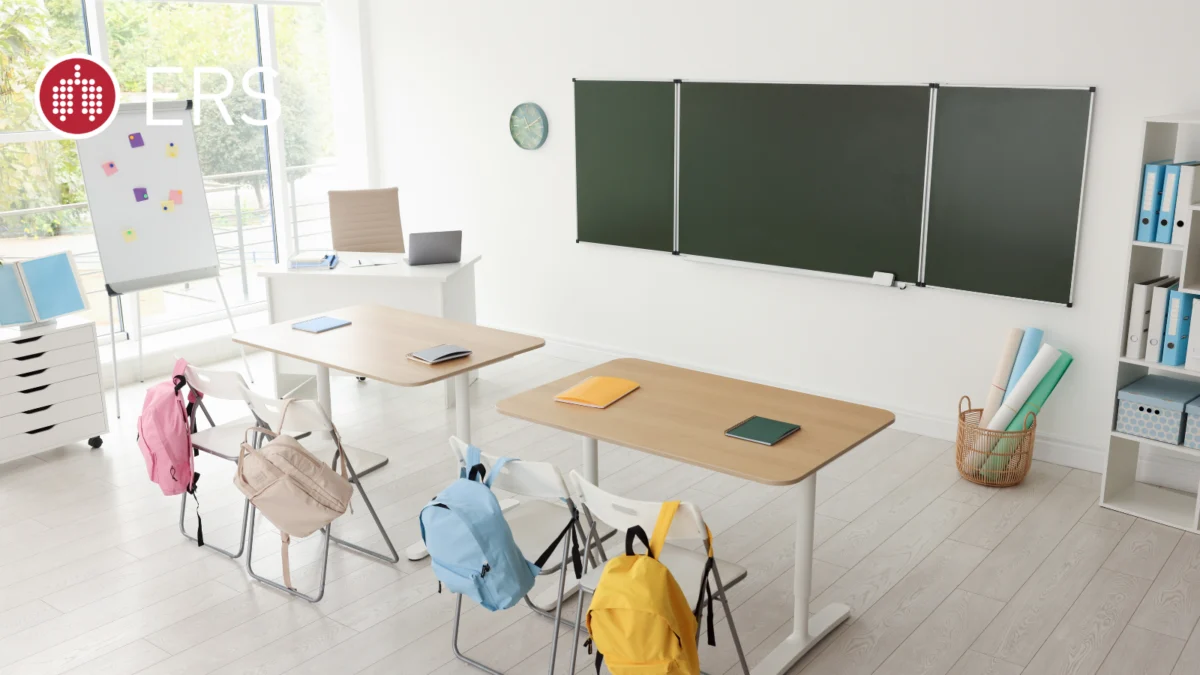
The environment in which children spend the majority of their waking hours—the classroom—is under renewed scrutiny following the presentation of groundbreaking research at this year’s European Respiratory Society (ERS) Congress. A comprehensive study has identified a concerning link between common bacterial species found in classroom dust and measurable deficits in pediatric lung function.
As urban centers grapple with aging school infrastructure and the complexities of indoor air quality, these findings suggest that the microscopic world inside our schools may be playing a silent, yet significant, role in the long-term respiratory health of the next generation.
The Core Findings: A Microscopic Threat
The study, led by Dr. Soutrik Banerjee of the University of Ferrara, Italy, in collaboration with the French technology firm Alten S.A., centers on the presence of two specific bacterial genera: Streptomyces and Mycobacterium. These bacteria are ubiquitous in the natural world, commonly found in soil, dust, and water systems. However, their concentration within the indoor ecosystem of a classroom appears to be negatively correlated with the respiratory efficiency of students.
Through rigorous analysis of data from the SINPHONIE project—a massive environmental study encompassing nearly 300 classrooms across 22 European nations—researchers were able to correlate bacterial concentrations with objective physiological metrics. The results indicate that children exposed to higher levels of these specific bacteria exhibit a statistically significant decrease in forced vital capacity (FVC), forced expiratory volume (FEV1), and peak expiratory flow (PEF). While these drops may seem incremental to the individual, the cumulative impact on a child’s developing respiratory system is a matter of growing medical concern.
Chronology of the Investigation
The journey to these findings began with the ambitious SINPHONIE (Schools Indoor Pollution and Health: Observatory Network in Europe) project, which sought to map the complex relationship between indoor environments and child health.
- 2010–2012 (Data Collection Phase): The SINPHONIE project conducted extensive field work, gathering dust samples and environmental data from schools across 22 countries. This massive dataset provided the foundation for subsequent environmental health research.
- 2024–2025 (Analytical Phase): Dr. Banerjee and his team at the University of Ferrara began cross-referencing these environmental samples with the clinical spirometry results of the students who inhabited those classrooms.
- September 2026 (Presentation): The research reached its culmination at the European Respiratory Society Congress in Barcelona, where the findings were formally presented to an international assembly of pulmonologists and environmental scientists.
The methodology was designed to be ironclad. To ensure that the observed deficits in lung function were not caused by external variables, the researchers employed a multivariate adjustment process. They accounted for age, gender, body mass index (BMI), socio-economic status, history of passive smoking, presence of pet allergens, the structural age of the school buildings, and even localized outdoor air pollution levels. By stripping away these confounding factors, the researchers were able to isolate the specific impact of the classroom dust microbiome.
Supporting Data: By the Numbers
The statistical evidence presented at the ERS Congress provides a sobering look at how classroom hygiene translates into physical capacity.
The Metrics of Reduced Function
The researchers utilized spirometry, the gold-standard test for lung health. By having children inhale deeply and exhale with maximum force, they measured the total volume of air a child could displace and the speed at which they could do so.
- Streptomyces Exposure: Children in classrooms with elevated levels of Streptomyces demonstrated a reduction of 0.08 liters in their Forced Vital Capacity (FVC).
- Mycobacterium Exposure: Exposure to higher concentrations of Mycobacterium was linked to a 0.06-liter reduction in FEV1 (the volume exhaled in the first second) and a 0.13 liters/second decrease in Peak Expiratory Flow (PEF).
While these numbers may appear modest in isolation, Dr. Banerjee emphasized their broader implication. "A child’s lung function is a snapshot of their current health, but it is also a predictor of their future," he noted. "A mild to moderate reduction today can serve as a precursor to preventable lung diseases, such as chronic obstructive conditions, later in life."
Official Responses and Expert Analysis
The findings have sparked a robust conversation among medical professionals, who argue that the study serves as a "canary in the coal mine" for school infrastructure policy.
Professor Alexander Möller, Head of the European Respiratory Society’s Paediatric Assembly and Professor of Paediatric Pulmonology at the University Children’s Hospital Zurich, served as a primary commentator on the study.
"This research brings to light a neglected aspect of pediatric public health," Professor Möller stated. "It is not merely about the presence of bacteria, but about the quality of the ecosystem we create for our children. We are seeing that even common, non-pathogenic bacteria can, through their presence in dust, act as irritants that trigger inflammatory pathways in the airways."
However, both Professor Möller and Dr. Banerjee were quick to caution against a "sterilization" approach. "We are not advocating for hospital-grade sterile classrooms," Möller clarified. "The goal is not to eradicate all bacteria, but to manage the indoor environment in a way that minimizes exposure to harmful concentrations."
Implications: The Future of School Infrastructure
The study highlights that these bacteria may serve as "biological indicators"—a sign that a building’s ventilation, humidity control, or cleaning protocols are failing.
The Role of Building Maintenance
The research suggests that the presence of these bacteria often correlates with poor ventilation and high humidity, which facilitates the growth of molds and the settling of dust. Dr. Banerjee posited that the bacteria might be causing a direct biological effect on the lungs or, alternatively, might be markers of broader, systemic issues within the building.
Policy Recommendations for Educators and Administrators:
- Enhanced Ventilation: Improving air exchange rates is the most effective way to lower the concentration of indoor pollutants.
- Dampness Control: Aggressive monitoring and remediation of dampness and moisture ingress are essential, as these conditions foster bacterial and fungal colonies.
- Advanced Cleaning Protocols: Moving beyond superficial dusting to HEPA-filter vacuuming and better management of classroom textiles can significantly reduce the reservoir of dust.
- Investment in Infrastructure: The study serves as a strong argument for governments to prioritize school maintenance. As Möller noted, "Investment in indoor air quality is not an expense; it is a long-term investment in the respiratory health of the next generation."
Conclusion: A New Focus on Indoor Ecology
As the 2026 ERS Congress concludes, the message to the international community is clear: the classroom environment is a critical determinant of pediatric health. The discovery that common dust-borne bacteria are linked to reduced lung function shifts the focus of preventative medicine from the clinic to the school building.
For parents, educators, and policymakers, the path forward is one of proactive maintenance and environmental vigilance. By prioritizing adequate airflow, moisture control, and rigorous cleaning standards, schools can transform from potentially hazardous environments into spaces that support, rather than hinder, the physical development of children.
As Dr. Banerjee concluded in his address: "We cannot choose the air our children breathe outside, but we have a responsibility to ensure the air they breathe for six to eight hours a day in the classroom is as clean and safe as possible. The future of their lung health depends on the decisions we make about our school infrastructure today."
References:
- [1] Abstract: "The association between classroom dust microbiota and pediatric lung function." Presented at the ERS Congress, Barcelona, 2026.
- [2] The SINPHONIE Project (Schools Indoor Pollution and Health: Observatory Network in Europe), 2010–2012.