











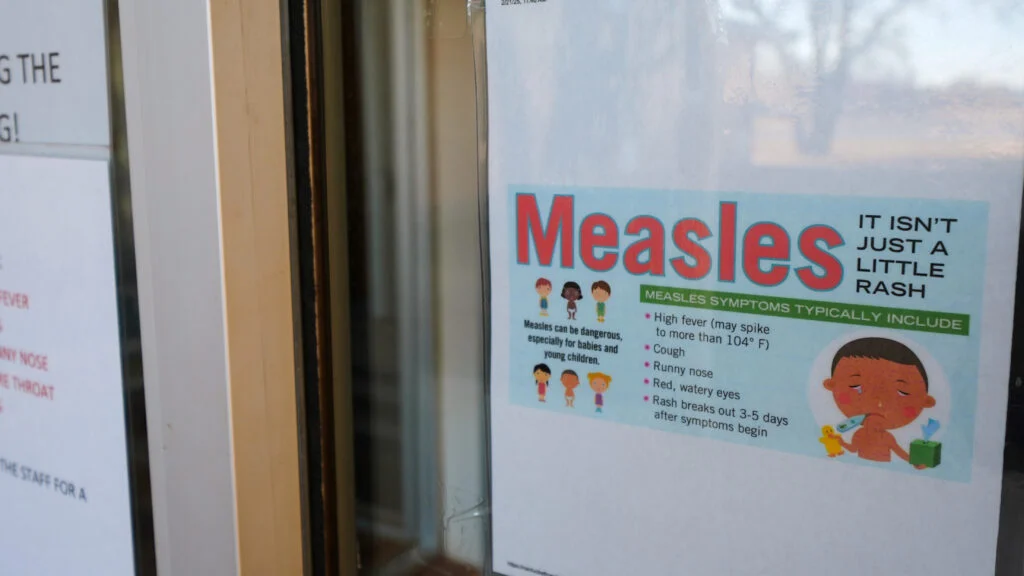
The American public health landscape is currently navigating a series of high-stakes challenges that threaten to undermine decades of progress in disease control and healthcare equity. From a deepening measles crisis in Pennsylvania to federal administrative gridlock regarding vaccine policy and drug pricing, the intersection of political maneuvering and clinical reality has left experts, providers, and patients in a state of growing uncertainty.
As we transition into the respiratory virus season, the need for clear, evidence-based guidance has never been more urgent, yet the mechanisms meant to deliver that guidance are increasingly strained.
The Pennsylvania Measles Crisis: A Growing Toll
The Recent Tragedy
The public health emergency in Pennsylvania reached a somber milestone this past Saturday with the death of a 40-year-old woman in Jefferson County. Her passing marks the third death linked to the state’s ongoing measles outbreak, following the deaths of two infants earlier this year.
Greg Furlong, the Jefferson County coroner, confirmed the death in a public statement, emphasizing the gravity of the situation. "This is a heartbreaking loss for the family and an unfortunate reminder that measles can be a serious and potentially life-threatening disease," Furlong noted. The loss of a middle-aged adult serves as a stark reminder that measles—a disease often mischaracterized as a routine childhood illness—carries severe risks across all age groups.
A State in Conflict
Pennsylvania is currently grappling with a massive outbreak, with 676 confirmed cases reported as of late last week. However, the official narrative surrounding these deaths remains deeply contentious. Health Secretary Robert F. Kennedy Jr. has publicly disputed the clinical role measles played in the deaths of the two infants, and to date, the Centers for Disease Control and Prevention (CDC) has not officially classified those cases as measles-related.
This discrepancy has created a widening chasm between state-level health authorities and federal overseers. Late Sunday, the CDC issued a rare and sharp rebuke of Pennsylvania’s outbreak management. CDC Director Erica Schwartz stated that her agency had not been notified by Pennsylvania officials regarding the death of the 40-year-old woman. Furthermore, Schwartz indicated that the state has consistently failed to accept repeated offers from federal health authorities to provide "on-the-ground" support, a move that public health experts warn may be hampering containment efforts.
Federal Policy Under Scrutiny: The "Most-Favored-Nation" Paradox
The Pricing Dilemma
While the country faces acute infectious disease threats, a parallel struggle is unfolding in the corridors of Washington regarding the cost of prescription drugs. The Trump administration’s "most-favored-nation" pricing policy—designed to tie Medicare drug costs to the lower prices paid in other high-income nations—is facing rigorous academic and economic scrutiny.
A new modeling study published in The Lancet suggests that the administration’s strategy may be inadvertently self-sabotaging. According to the study, the government has entered into secretive agreements with more than two dozen pharmaceutical companies. These private deals contain provisions that could potentially reduce the financial benefits of the price-control program by as much as 80%.
Incentives and Consequences
The policy structure mandates that companies pay additional rebates if Medicare prices exceed those found in comparable international markets. However, the study’s authors, led by Thomas Hwang of Brigham and Women’s Hospital, argue that this creates a perverse incentive. Pharmaceutical manufacturers may be encouraged to artificially hike prices in international markets to avoid the rebate triggers, or they may choose to delay the launch of life-saving products in the United States to protect their global revenue streams.
"Because these deals aren’t public, it is challenging for policymakers and the public to judge whether most-favored-nation pricing is delivering what was promised," Hwang told STAT. The lack of transparency remains the central friction point for critics who argue that the policy is more optics than effective reform.
Rural Healthcare: A Fund in Jeopardy
The Promise of Transformation
Earlier this year, a $50 billion allocation for rural healthcare was heralded as a major victory for underserved communities. Intended to offset a $1 trillion reduction in Medicare spending, the "Rural Health Transformation Fund" was designed to bridge the widening gap in medical access for rural Americans.
However, as reported by STAT’s Unraveled series, the reality on the ground has fallen far short of expectations. Hospital administrators who initially viewed the funds as a lifeline are now reporting disillusionment and frustration.
The Survival Trap
The core issue lies in the fund’s focus on "transformation." The grants were intended to finance long-term, sustainable programs that would outlast the five-year funding window. But for many rural facilities, the focus is not on long-term transformation—it is on daily survival.
"Everybody’s trying to fill in holes," said Tim Clifford, a longtime physician in Bucksport, Maine. "But they don’t know how much they’re going to get, and they don’t know how big the holes are that they’re going to need to fill." This uncertainty has left hospitals unable to plan effectively, creating a cycle where capital meant for innovation is instead consumed by the urgent, immediate demands of keeping doors open.
Preparing for Respiratory Season
As summer wanes, the nation approaches the annual surge in respiratory illnesses. Health officials are urging the public to prioritize vaccination for influenza, Covid-19, and respiratory syncytial virus (RSV).
Vaccination Guidelines
- Influenza and Covid-19: While these viruses are currently at low levels, experts suggest timing vaccinations to align with community activity. Because immunity from flu vaccines wanes over the winter, receiving them too early can leave individuals vulnerable at the peak of the season.
- RSV: There is currently no recommendation for a booster if an individual has already received the RSV vaccine.
- Maternal Health: Expectant mothers who are between 32 and 36 weeks pregnant—and have not previously received an RSV vaccine—are strongly encouraged to do so. This protection is vital for newborns, who remain the most vulnerable to the severe respiratory distress associated with RSV.
While it is possible to receive all these vaccinations in a single visit for convenience, staggering them is also an acceptable strategy depending on local infection rates.
Judicial Gridlock: The AAP vs. HHS
The legal battle over vaccine policy continues to stagnate, with a federal judge recently pausing proceedings in the American Academy of Pediatrics’ (AAP) challenge to Health Secretary Robert F. Kennedy Jr.’s vaccine policy changes.
The lawsuit centers on the controversial reconstitution of the Advisory Committee on Immunization Practices (ACIP) and the subsequent modifications to the childhood vaccination schedule. In March, U.S. District Judge Brian E. Murphy issued a ruling suggesting that the AAP was likely to prevail, noting that Kennedy’s actions likely violated the Administrative Procedures Act.
However, the Department of Health and Human Services (HHS) appealed the decision in April, effectively paralyzing the ACIP. The committee, which is essential for setting evidence-based immunization standards, has remained in limbo and has not met for months. The federal court has now decided to stay further action until the appeals court issues a ruling.
"The district court has recognized that this is a case of national importance and we will continue to forge ahead," said Richard Hughes, lead counsel for the AAP. With oral arguments scheduled for October 6 before the First Circuit, the medical community remains in a state of suspended animation, waiting to see if federal vaccine policy will be returned to the hands of traditional expert panels.
Conclusion: The Cost of Disconnection
The common thread linking these disparate issues—from the measles outbreak in Pennsylvania to the administrative battles in Washington—is the erosion of a unified, evidence-based approach to public health. Whether it is the failure to coordinate on disease outbreaks, the lack of transparency in drug pricing, or the inability of federal courts to resolve vaccine policy disputes, the American public is increasingly bearing the cost of a fragmented system.
As the country moves into the challenging winter months, the resilience of our health infrastructure will be tested. Success will depend on the ability of local, state, and federal actors to prioritize clinical outcomes over political friction, ensuring that the systems meant to protect public health are not only functional but transparent and accessible to all.