









September 11, 2026 — After months of uncertainty and a massive logistical effort to secure the nation’s food supply, federal health officials officially declared the largest Cyclospora food poisoning outbreak in U.S. history to be over this past Friday. While the immediate threat posed by contaminated iceberg lettuce has been neutralized, the event has left behind a sobering legacy: an unprecedented surge in parasitic illness and a growing debate over the adequacy of the nation’s food safety surveillance infrastructure.
The Scope of the Crisis: By the Numbers
The figures associated with this year’s Cyclospora outbreak are staggering. According to the FDA and CDC, nearly 13,000 lab-confirmed cases were directly linked to the multistate cluster, which served as the primary driver of a broader, nationwide spike in cyclosporiasis.
Since May 1, 2026, the government has recorded nearly 20,000 lab-confirmed cases across the country. To put this into perspective, this figure is more than 16 times the number of cases reported during the same period in 2025. When including the more than 6,100 suspected cases currently under investigation, the scale of the crisis becomes even more pronounced.
For historical context, the previous record for Cyclospora infections was set in 2019, when approximately 4,700 illnesses were reported nationally. The 2026 figures have obliterated that record, forcing public health officials to rethink the environmental factors and regulatory gaps that allowed such a massive transmission event to occur. Michigan emerged as the epicenter of the tragedy, reporting the highest number of infections and both of the two confirmed deaths attributed to the outbreak.
Chronology of an Outbreak
The timeline of the 2026 Cyclospora surge highlights the complexities of modern produce supply chains.
- Early May: Public health surveillance systems began flagging an unusual uptick in cases of watery, explosive diarrhea—the hallmark symptoms of cyclosporiasis.
- Late May to June: As cases climbed, epidemiologists began conducting interviews with patients. Preliminary data pointed toward restaurant-prepared salads as a common denominator.
- July: Federal investigators zeroed in on iceberg lettuce supplied to several major restaurant chains, including Yum Brands properties such as Taco Bell, Pizza Hut, and KFC.
- Mid-July: The FDA identified Taylor Farms as the primary supplier. A massive recall was initiated, covering iceberg lettuce grown in central Mexico. The recall rippled through the food service industry, affecting thousands of packaged salad products that contained the contaminated greens.
- August: As the recall took effect, the rate of new infections began to plateau, though thousands of cases unrelated to the specific Taylor Farms cluster continued to baffle investigators.
- September 11, 2026: The FDA officially concluded that all recalled iceberg lettuce is off the market, signaling the end of the primary outbreak phase, though investigative analysis of samples collected in Mexico remains ongoing.
Understanding the Parasite: A Persistent Threat
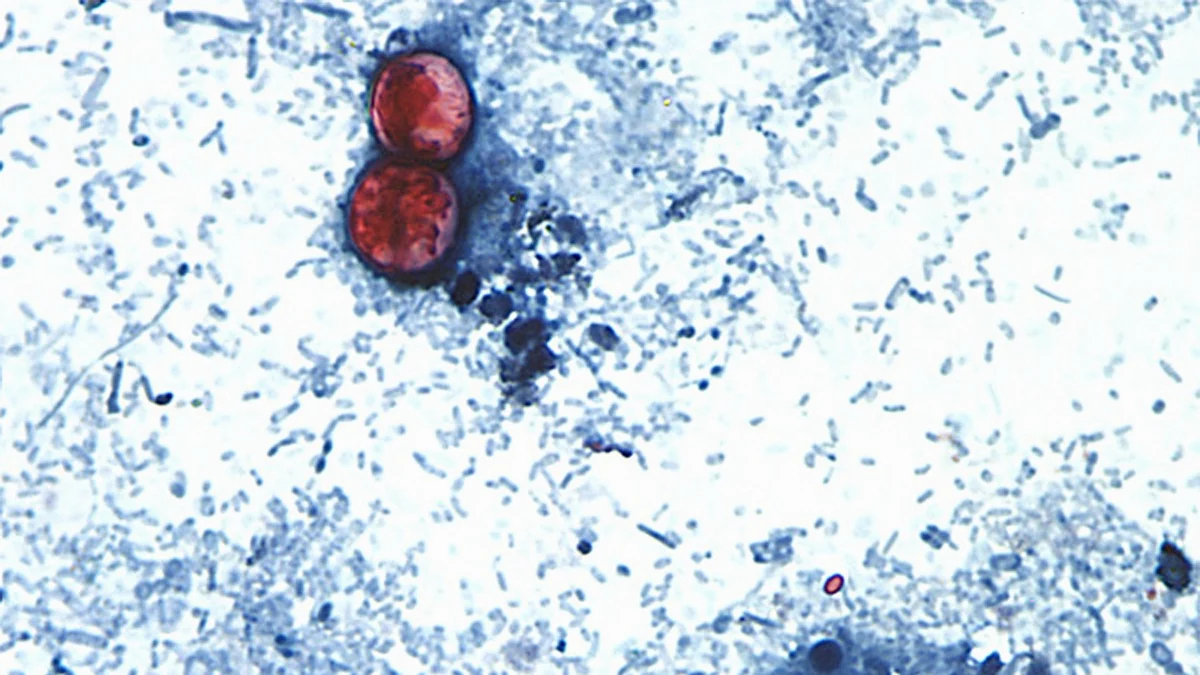
Cyclospora cayetanensis is a microscopic, single-celled parasite. Unlike the more commonly discussed Salmonella or E. coli, which often trigger rapid, large-scale recalls, Cyclospora is notoriously difficult to track.
"This contamination can happen if produce is grown in soil or comes into contact with water that has been contaminated," explains Dr. Ellen Shumaker, director of outreach for North Carolina State University’s "Safe Plates" food safety program. Because the parasite is spread through human feces, its presence suggests a failure in the sanitation chain, likely involving water sources used for irrigation or the hygiene practices of agricultural workers.
The parasite is physically resilient, capable of surviving in various environments, which makes it particularly dangerous once it enters the supply chain. Because many cases are never linked to a specific food source, the official counts are widely believed to be an underrepresentation of the true clinical burden.
The Regulatory Dilemma: Are We Lowering Our Guard?
The 2026 outbreak has cast a harsh spotlight on a deepening structural problem: the decline in international food safety inspections.
In recent years, the FDA has faced budgetary and logistical constraints that have resulted in fewer on-site inspections of foreign facilities. As the U.S. continues to rely heavily on international growers to supply fresh produce during off-seasons, the lack of robust, frequent oversight has created a "blind spot" in the food safety net.
Critics argue that the reliance on industry self-reporting, combined with a diminished physical presence from U.S. regulators at the point of origin, is an unsustainable model. While the FDA continues to collect samples and analyze data from the Mexican processing facilities linked to the Taylor Farms recall, the delay between harvest and inspection remains a critical vulnerability. If the FDA cannot maintain a consistent regulatory footprint in the regions where our food is grown, experts warn that events like the 2026 Cyclospora surge will become the new normal.
Official Responses and Future Implications
Following the declaration that the outbreak is over, the FDA has reiterated its commitment to food safety. However, the agency’s statement also acknowledged that many questions remain. Specifically, officials have yet to explain how sewage-related contamination reached a scale large enough to affect such a massive, distributed volume of produce.
The industry response has been equally cautious. Taylor Farms and other major suppliers are under pressure to implement more rigorous testing protocols, particularly for water quality and soil sanitation. Yet, without a centralized, global standard for produce safety, individual company efforts may prove insufficient.
For the public, the implications are clear: while the immediate recall has ended, the risk of foodborne illness remains a constant variable. Healthcare providers are being urged to remain vigilant for symptoms of cyclosporiasis, which can be misdiagnosed as other gastrointestinal ailments.
Moving Toward a Safer Food System
The 2026 Cyclospora outbreak is more than just a public health statistic; it is a wake-up call for a food system that has prioritized speed and volume over integrated safety. To prevent a repeat of this crisis, several systemic changes are being discussed by policy experts:
- Enhanced Traceability: Strengthening the ability to track produce from the farm to the fork, allowing for surgical recalls rather than broad-spectrum warnings.
- Increased Regulatory Funding: Restoring the FDA’s capacity to perform frequent, unannounced inspections at international growing sites.
- Technological Integration: Utilizing genomic sequencing to identify the specific origin of Cyclospora strains faster, allowing for quicker intervention.
As the dust settles, the 13,000 affected individuals and the families of those lost to this outbreak serve as a grim reminder of the stakes. Food safety is not merely a regulatory exercise; it is a fundamental pillar of public health. Until the gaps in our international supply chain are closed, the risk of another historic outbreak remains a threat waiting in the wings.
For now, the FDA maintains that the current supply of iceberg lettuce is safe, but the trust of the American consumer, once shaken by such a massive event, may take significantly longer to restore. The "new normal" for food safety must involve a more proactive, transparent, and globally coordinated approach to ensure that what we eat does not become a source of national crisis.