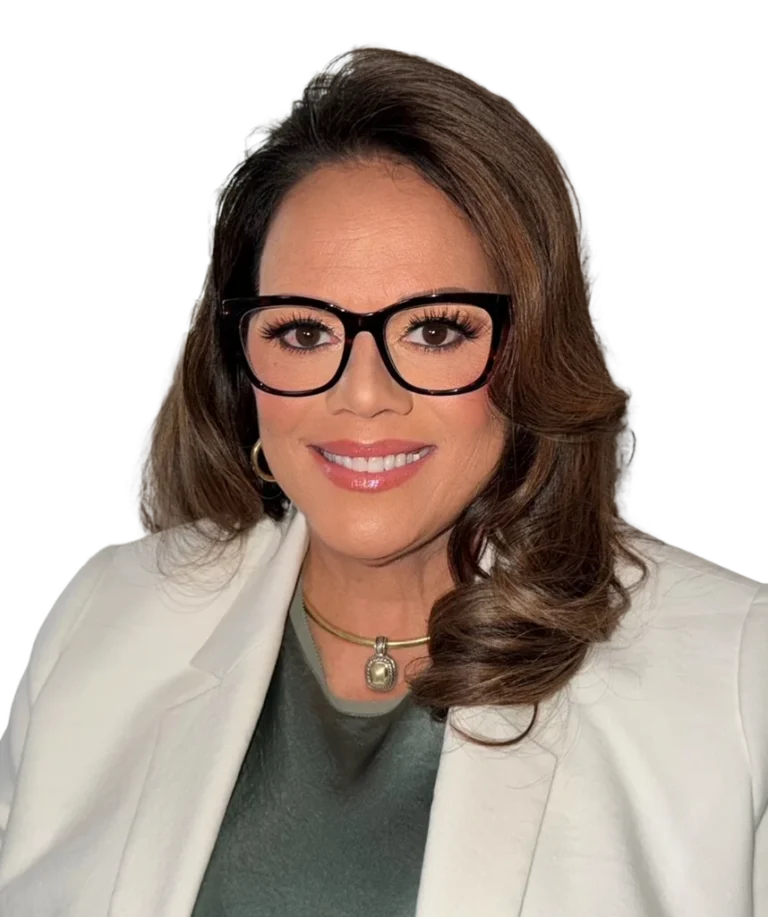
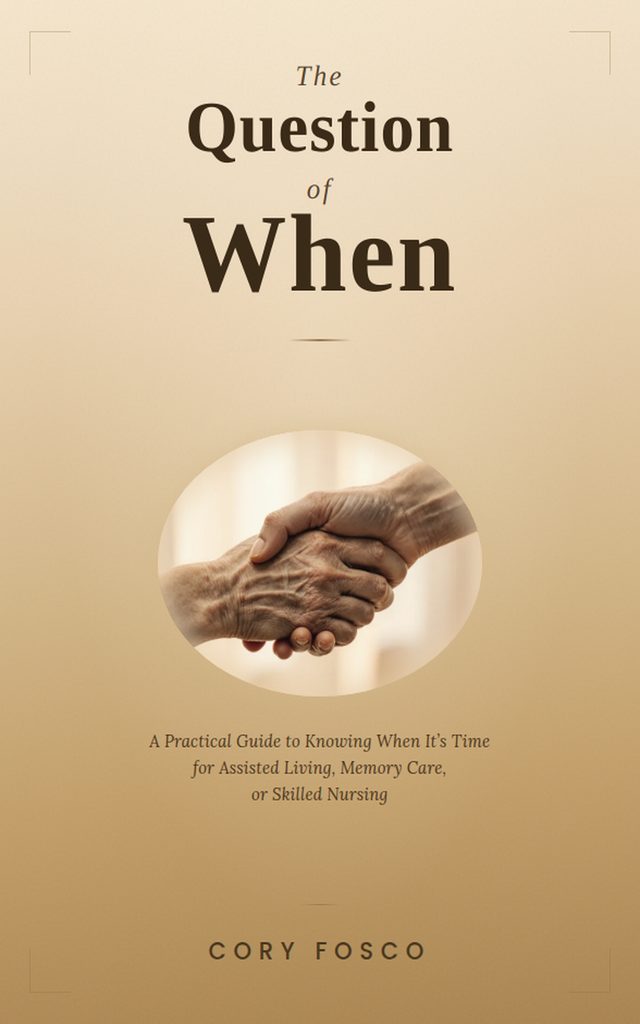
As the American population continues to age, the complex labyrinth of senior care has become a defining challenge for millions of families. With National Assisted Living Week (September 13–19) approaching, the "Caregiving Club On Air" podcast recently hosted an essential discussion with Cory Fosco, author of the seminal new guide, The Question of When: A Practical Guide To Knowing When It’s Time For Assisted Living, Memory Care or Skilled Nursing.
This dialogue serves as a critical roadmap for the "Sandwich Generation"—those caught between caring for their own children and aging parents—who are often forced to make life-altering decisions under significant emotional and financial pressure.
The Crucial Inflection Point: Understanding "The Question of When"
For many families, the transition to institutional care is marked by crisis—a sudden fall, a medical diagnosis, or a realization that home care is no longer sustainable. Cory Fosco’s work aims to replace this reactive, crisis-driven approach with a proactive framework.
During the podcast, Fosco and host Sherri Snelling explored the delicate nature of family communication. The "Question of When" is not merely about identifying a facility; it is about recognizing the behavioral and physical markers that indicate a change in care needs is necessary. Fosco emphasizes that these conversations should ideally occur well before a health emergency, allowing for informed, collaborative decision-making rather than hurried, desperate choices made in hospital hallways.

Chronology of Care: A Strategic Approach
Navigating the senior living landscape follows a distinct, often non-linear timeline. Families are encouraged to view this journey through four distinct phases:
- The Observational Phase: Early detection of changes in an elder’s ability to perform Activities of Daily Living (ADLs), such as grooming, cooking, or managing medications.
- The Information Gathering Phase: Utilizing resources like Fosco’s "Four Signal Categories Checklist," families should begin auditing the safety and efficacy of the home environment versus the potential benefits of assisted living.
- The Consultation Phase: Engaging professional help, such as a Geriatric Care Manager (GCM), to bridge the gap between emotional family wishes and objective medical reality.
- The Implementation Phase: Selecting the facility, managing the transition, and navigating the complex financial landscape of long-term care contracts.
Supporting Data: The Scope of the Challenge
The necessity for guidance in this sector is backed by staggering statistics. According to data provided by the American Health Care Association (AHCA) and the National Center for Assisted Living (NCAL), between 2 and 3 million older adults currently reside in some form of senior living or long-term care community. Specifically, more than 1 million individuals reside in the nation’s 41,000+ assisted living communities.
The financial burden is equally significant. The Genworth/Care Scout Cost of Care Survey remains the gold standard for families attempting to project future expenses. These costs are highly volatile, influenced by geography, level of care, and facility amenities. Because these costs are updated annually, families are urged to consult the most recent spring data to understand the regional variations between home health care, assisted living, and high-acuity skilled nursing facilities.
Implications for Families and Caregivers
The emotional toll of caregiving is often compounded by financial instability and systemic confusion. Fosco argues that the "hidden" cost of caregiving is often the lost productivity and health of the caregiver themselves.
The implications of failing to plan are profound:
- Burnout: Without a transition plan, primary caregivers often face extreme physical and mental fatigue, leading to their own health crises.
- Asset Depletion: Hasty decisions often bypass the most cost-effective strategies, such as long-term care insurance navigation or Veterans Affairs benefits, leading to unnecessary depletion of family savings.
- Reduced Quality of Life: A poor "fit" between a resident and a community can lead to social isolation and accelerated cognitive decline.
Professional Perspectives: The Role of the Geriatric Care Manager
One of the most vital takeaways from the podcast is the underutilized resource of the Professional Geriatric Care Manager (PGCM). Often, families attempt to navigate the system alone, relying on internet reviews or sales brochures provided by facilities.
A PGCM, typically a social worker or nurse with specialized training, provides an objective, third-party assessment. They serve as a liaison between the medical community, the family, and the care facility. The Aging Life Care Association is the primary hub for locating these professionals. Employers are increasingly recognizing the value of these experts, with many large corporations now offering access to geriatric care consulting as part of their employee assistance programs (EAPs).
Institutional Standards and Transparency
In an era where ratings and rankings proliferate, consumers must exercise discernment. While platforms like the AHCA/NCAL provide aggregate data, individual facility performance can vary significantly. Families are encouraged to utilize government-sanctioned tools like the "Elder Care Locator" to ensure they are vetting facilities based on state licensing and inspection history rather than just marketing aesthetics.
Transparency remains the industry’s greatest challenge. Fosco highlights that the best facilities are those that welcome "the question of when" and provide open, transparent documentation regarding their staffing ratios, medical capabilities, and fee structures.
Bridging the Gap: The "Caregiving Club" Evolution
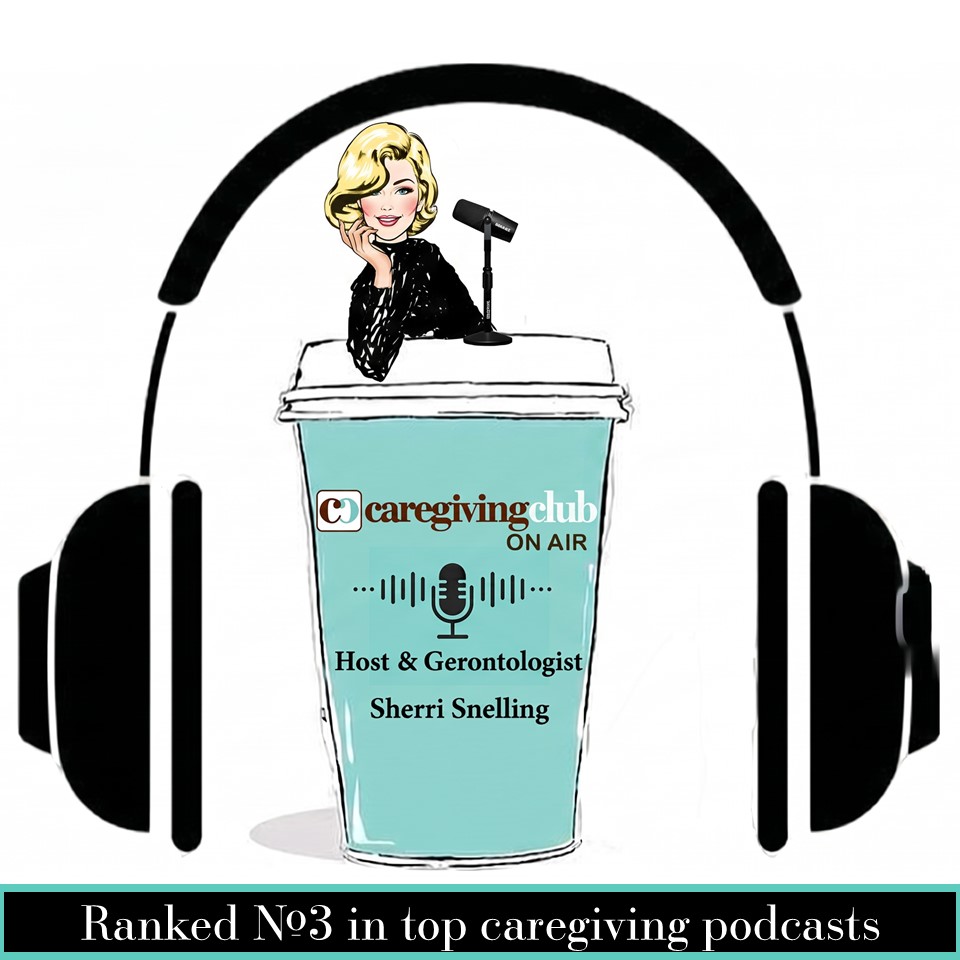
Recognizing that the needs of the caregiver community are evolving, the "Caregiving Club On Air" has recently shifted its focus to meet the digital demands of the "Sandwich Generation." Having secured a #3 ranking among caregiving podcasts via Feedspot, the organization is pivoting its news segments—covering wellness, home design, and workplace integration—to a new, dedicated YouTube channel.
This shift acknowledges that caregivers are looking for visual, accessible, and bite-sized content. By moving from purely audio formats to a more robust video presence, the club aims to provide actionable resources that fit into the tight schedules of those managing dual-career and caregiving responsibilities.
Conclusion: A Call to Action
The journey of caring for an aging loved one is a marathon, not a sprint. Whether it is through reading The Question of When, utilizing the "Four Signal Categories Checklist," or engaging a professional Geriatric Care Manager, the overarching theme remains the same: Preparation is the best antidote to crisis.

By shifting the conversation from a place of fear to a place of information, families can ensure that their loved ones are treated with dignity and that the caregiving experience is sustainable for everyone involved. For those currently navigating these waters, the resources provided by the Caregiving Club and Cory Fosco offer a lifeline of clarity in an often-turbulent sea of long-term care choices.
Quick Resource Directory
- Expert Guidance: Cory Fosco’s Official Website
- Strategic Planning: The Question of When (Amazon)
- Finding Local Help: Elder Care Locator
- Professional Care Management: Aging Life Care Association
- Cost Projections: Genworth/Care Scout Cost of Care Survey
- Educational Content: Caregiving Club YouTube Channel
Note: Readers are encouraged to subscribe to the Caregiving Club’s YouTube channel for ongoing bi-weekly updates on senior living trends, wellness hacks, and legislative changes affecting the caregiving landscape.