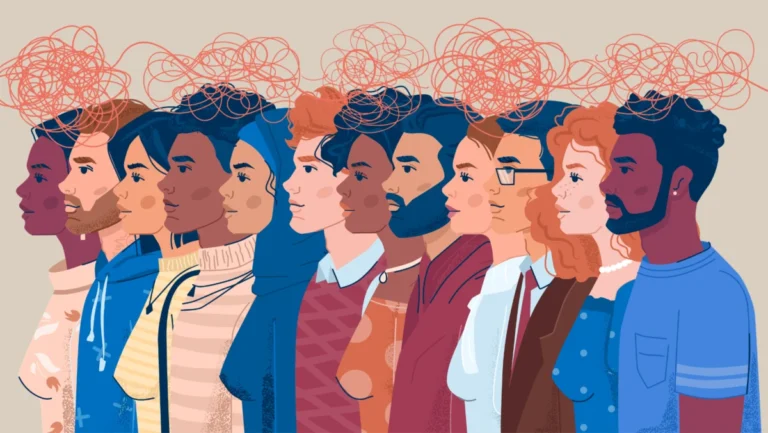











Every person living with chronic pain carries a unique, deeply personal narrative—a story often written in the quiet language of physical endurance and invisible struggle. When these individual voices are synthesized, they form a powerful chorus that articulates the systemic failures of modern medicine, the profound need for empathy, and a roadmap for a more human-centered approach to healthcare.
For years, the U.S. Pain Foundation has acted as a repository for these stories, collecting data through national surveys, peer support initiatives, and raw, unfiltered conversations. By analyzing the experiences of thousands, the organization has distilled nine core lessons that challenge how society, providers, and policymakers view chronic pain.
1. The Primacy of Listening Over Assumptions
The most frequent grievance among patients is not the pain itself, but the dehumanizing experience of not being believed. Patients report a cycle of frustration where healthcare providers offer little more than "I don’t know," while acquaintances and loved ones often provide unsolicited, reductive advice.
"We have been beat down so far, and no one will listen," one survey respondent lamented. This exhaustion is compounded by the constant pressure to validate their own suffering to skeptical onlookers. Experts argue that the simplest, yet most effective, clinical intervention is to listen without bias. Validation is not just a social nicety; it is a clinical necessity that establishes the trust required for effective treatment.
2. Patients as Experts in Their Own Bodies
Medical appointments are often restricted to standardized pain scales and charts, which frequently fail to capture the nuance of a patient’s daily reality. Whether it is a child navigating a complex syndrome or an adult managing long-term neuralgia, patients possess an intimate knowledge of their condition that a physician’s brief exam cannot replicate.
According to the U.S. Pain Foundation’s 2025 national survey on youth, 19% of children and teens do not feel believed by their medical teams, while 61% feel only "sometimes" believed. This dismissal of patient expertise—particularly in young populations—can lead to delayed diagnoses and secondary psychological trauma. Treating the patient as a collaborator rather than a subject is the first step toward meaningful progress.
3. Redefining the Goal: From Pain Reduction to "More Life"
There is a fundamental misunderstanding regarding the goal of pain management. While reducing physical discomfort is important, the true objective is the restoration of function. Patients consistently state that they want the ability to work, parent, maintain relationships, and engage in hobbies.
"I am not my pain. I am a woman who wants to contribute to society," one respondent noted. When the success of a treatment is measured solely by a reduction in a pain score, the holistic needs of the individual—the "more life" factor—are often sacrificed.
4. The Myth of the "One-Size-Fits-All" Cure
Chronic pain is inherently heterogeneous; what works for one patient may be useless or even harmful for another. Despite this, the current healthcare model often pushes standardized, protocol-driven treatment.
Data shows that 86% of patients desire more over-the-counter options, while 68% are actively seeking greater access to non-opioid, non-pharmacological interventions. The consensus among advocacy groups is that a multidisciplinary approach—combining medical, restorative, and behavioral therapies—is the "gold standard." However, the burden currently falls on the patient to coordinate this complex care, which is both financially and emotionally taxing.
5. The Crisis of Access
Effective treatments are essentially non-existent if they are inaccessible. Structural barriers—including insurance denials, geography, transportation, and provider bias—create a tiered system where quality of life depends on socioeconomic status.
In a 2022 national survey, 77% of respondents identified cost as the primary barrier to accessing care. Among those earning under $50,000 annually, nearly a quarter had not seen a provider for their pain at all. This represents a systemic failure that disproportionately affects vulnerable populations, effectively locking them out of the possibility of recovery.
6. The Intertwined Nature of Mental and Physical Health
Chronic pain is a holistic experience that ravages both the body and the mind. Data from 2025 shows that 9 out of 10 people with chronic pain experience anxiety or depression, and over half report that these mental health struggles exacerbate their physical pain.
The danger lies in the "it’s all in your head" narrative, which is frequently used by providers to dismiss physical symptoms. True care recognizes that mental health support is not a replacement for physical treatment, but a necessary pillar of managing the total physiological stress of chronic pain.
7. The Power of Targeted Support
While pain is a universal experience, the specific nature of a diagnosis or life stage requires targeted support. For example, veterans, teens, and those with rare diseases often feel profound isolation. Peer support groups are frequently cited as the "turning point" in a patient’s journey. Connecting with others who share a specific context breaks the cycle of isolation and provides practical "life hacks" that medical professionals often miss.
8. The Collateral Impact on Families and Caregivers
Chronic pain is not a solitary affliction; it creates a web of struggle that engulfs spouses, parents, siblings, and friends. The emotional and physical toll on caregivers is staggering: 94% of caregivers report significant mental strain, yet fewer than one-third feel "truly prepared" for their roles. In families where children are in pain, the entire family dynamic is altered, often forcing siblings into early caregiving roles and stripping families of the ability to engage in normal, joyful activities.
9. Leveraging Lived Experience for Structural Change
Perhaps the most damning evidence of the current system is the lack of formal training for healthcare providers. Most receive fewer than 10 hours of pain education in medical school, and as of 2025, only 50% of providers feel adequately prepared to treat chronic pain.
To bridge this gap, the lived experience of patients must be integrated into medical curricula and research design. Research is often conducted in a vacuum, ignoring the realities of daily life with a condition. By incorporating patient input at the design stage, science can pivot toward outcomes that actually matter to those living with the disease.
Chronology of the Shift in Perspective
- Pre-2010s: The medical community largely focused on a "single-drug" approach, often over-relying on opioids for chronic management.
- 2019: The Pain Management Best Practices Inter-Agency Task Force publishes a landmark report advocating for a multidisciplinary, patient-centered approach.
- 2021-2025: A surge in national surveys by the U.S. Pain Foundation highlights the post-pandemic reality: an increase in barriers to care and a heightened, urgent need for mental health integration.
- Present: A growing movement of "patient-researcher" partnerships, where lived experience is now being formally requested for federal research grant committees and medical education panels.
Implications for the Future
The path forward requires a fundamental shift in the power dynamic of the exam room. As the data clearly shows, when patients are treated as passive recipients of care rather than active partners, the system fails.
Policy Recommendations:
- Mandatory Education: Medical schools must integrate comprehensive pain management curricula that emphasize multidisciplinary care and the validation of patient reporting.
- Insurance Reform: Streamlining the authorization process for non-opioid and integrative therapies is essential to removing the "demoralizing" barriers patients currently face.
- Caregiver Support: Healthcare systems should treat the caregiver as a secondary patient, providing respite care and educational resources to prevent total family burnout.
- Inclusive Research: Future research into pain must be co-designed by patients to ensure that "success" is defined by functional recovery and quality of life rather than mere clinical benchmarks.
The stories gathered by the U.S. Pain Foundation are more than just anecdotes; they are evidence of a system that has long prioritized efficiency over empathy. By centering the lived experience, we can move toward a future where the "chorus" of those living with pain is not just heard, but is the primary architect of a more compassionate and effective healthcare landscape.