By Christie Cox
Chronic pain does not care about your medical chart, your professional resume, or your personal ambitions. It is a condition that ignores the boundaries of specific diagnoses, affecting one in four Americans—a statistic that underscores a massive, often overlooked public health crisis. Whether you suffer from a well-documented autoimmune disorder, a rare, unnamed syndrome, or the lingering effects of an injury, the lived experience of pain often transcends the clinical label.
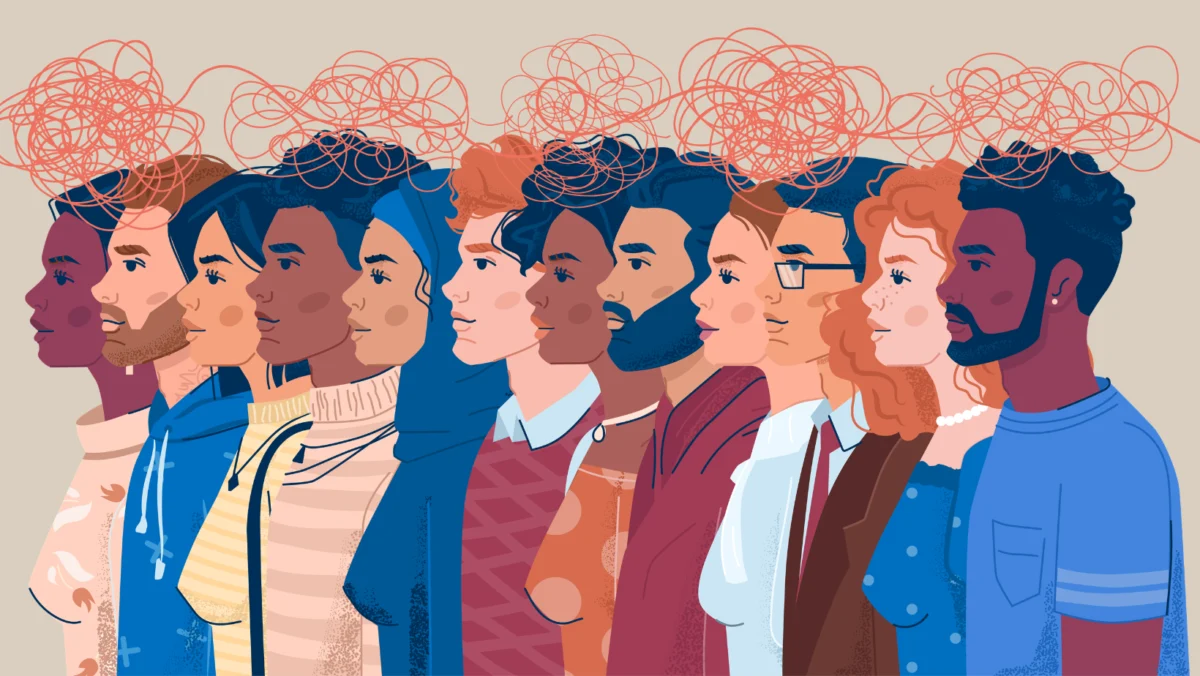
When individuals from disparate medical backgrounds gather in support groups, online forums, or quiet waiting rooms, a profound realization occurs: the labels fall away. What remains is a shared, almost rhythmic cadence of grief, defensive posturing, and quiet, hard-won victories. Understanding the chronic pain experience requires moving beyond the pathology and looking at the human cost of living in a body that demands constant, exhausting negotiation.
The Geography of Grief: Redefining the Self
Chronic pain is an uninvited architect; it rewrites the narrative of who you are without asking for your consent. The career trajectory you were building, the hobbies that defined your identity, and the version of yourself who could make plans without a mental cost-benefit analysis—all of these are subject to a slow, persistent erasure.
This grief is not a one-time event. It is a recurring experience, triggered every time a new limitation emerges or an old ability slips away. You may be in the middle of a mundane Tuesday afternoon, catching your reflection in a window, and suddenly feel a wave of mourning for the person you were before the pain took hold.
However, experts in patient advocacy suggest that naming this grief—rather than rushing past it—is the first step toward reclamation. The person you are mourning is still present; they have simply been transformed. Making room for who you are becoming is a vital, albeit difficult, component of the healing process.
The Economics of Energy: The Spoon Theory
For the healthy, spontaneity is a privilege; for the person living with chronic pain, it is a luxury that must be budgeted for. Standing in a grocery store aisle, deciding whether to complete the shopping list or conserve energy to cook dinner, is a common flashpoint. It is the quiet, internal calculus of "what will this cost me tomorrow?"
Patient advocate Christine Miserandino famously articulated this through the "Spoon Theory." By using spoons as units of energy, she illustrated that every task—showering, driving, answering an email—draws from a finite daily supply. When the spoons run out, there are no refills. This creates a life defined by constant, exhausting maintenance rather than growth, turning every day into a high-stakes balancing act.
The Burden of Invisibility and the Performance of "Fine"
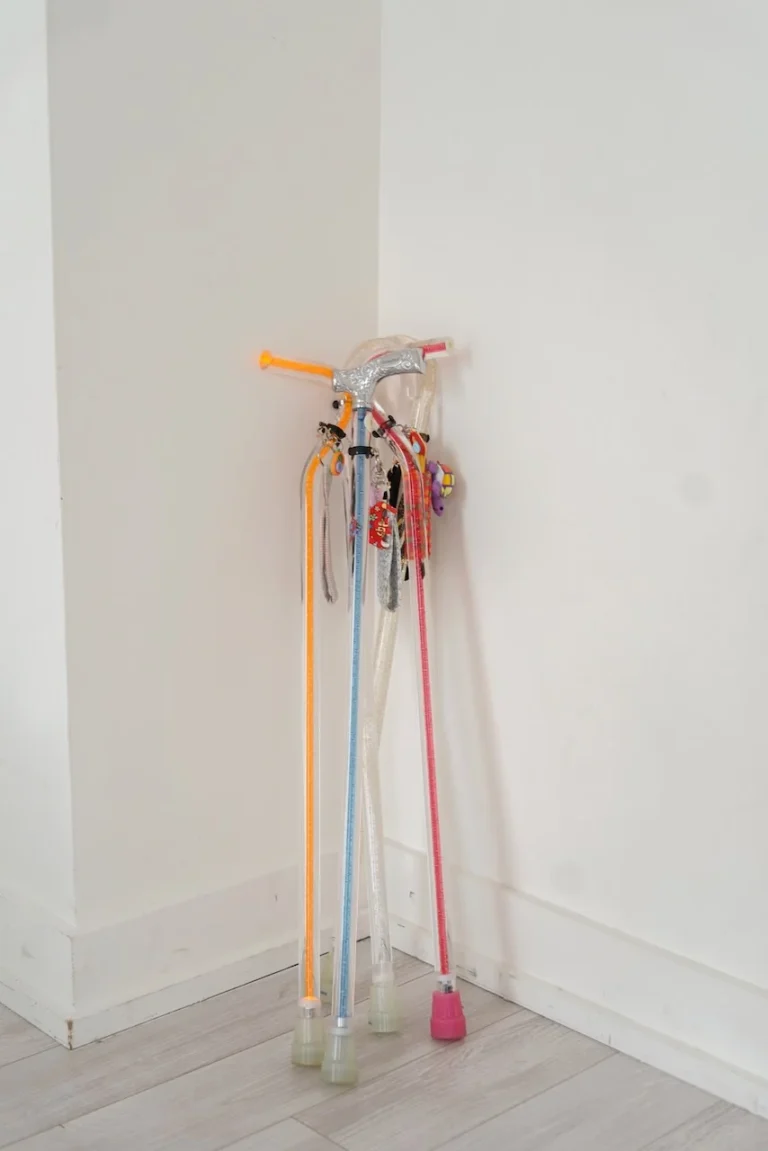
Perhaps the most isolating aspect of chronic pain is its invisibility. Without a cast, a crutch, or a visible wound, the world assumes you are well. To navigate this, many patients develop a sophisticated form of "masking." They smile through a flare-up, respond to "How are you?" with an automated "I’m fine," and rehearse their expressions in the rearview mirror before walking into a room.
The performance of normalcy is exhausting. The reality of the symptoms is often saved for the car ride home, the only place where the mask can finally be dropped. This social performance acts as a barrier to genuine connection, as friends and family may never truly understand the Herculean effort required for the patient to simply "be there."
The Reality of Dynamic Disability
Living with a body that functions differently from day to day requires significant skill. This unpredictability is a hallmark of "dynamic disability." According to a 2022 national survey by the U.S. Pain Foundation, 99% of respondents reported that pain restricted their ability to perform routine activities, while 71% identified as disabled.
This instability creates massive friction in educational and professional settings. For many, it leads to the heart-wrenching decision to leave the workforce entirely. The shift from self-blame to self-compassion—recognizing that a canceled plan is a form of recovery rather than a failure—is a difficult but essential psychological pivot.
The Crisis of Credibility: Medical Gaslighting
A pervasive, systemic issue in the pain community is the lack of belief from medical providers. The U.S. Pain Foundation’s 2025 national survey reveals a harrowing landscape: 71% of patients felt that dismissive attitudes from providers delayed their diagnosis. Even more distressing, only 12% felt their healthcare providers fully understood their pain.
This is often compounded by gender and racial bias. Historical stereotypes—such as the tendency to frame women’s pain as psychosomatic or emotional—continue to influence clinical decision-making. For patients of color, these biases are often exacerbated by systemic inequities. This "medical gaslighting" forces patients to become experts in their own cases, often rehearsing clinical scripts before appointments just to be taken seriously.
The Long Road to Diagnosis and Coordination
The path to a diagnosis is rarely linear. According to the 2025 survey, 60% of patients waited over a year for a diagnosis, and nearly 30% waited more than five years. Even when a diagnosis is reached, it is rarely a "cure." It often serves as a gateway to an endless cycle of specialists, insurance denials, and "wait-and-see" protocols.
Furthermore, patients often find themselves performing the "unpaid administrative labor" of their own care. They manage records, navigate bureaucratic labyrinths, and coordinate between specialists who rarely talk to one another. This is essentially a full-time job layered on top of chronic illness, often performed while the patient is grappling with brain fog and fatigue.
Supporting Data: The Financial and Social Toll
Chronic pain is not merely a personal burden; it is an economic juggernaut. A landmark report valued the annual cost of pain in the U.S. at $635 billion, when accounting for direct medical costs and lost productivity. This figure exceeds the annual costs associated with heart disease, cancer, or diabetes.
Beyond the dollars, there is the mortality risk of loneliness. The U.S. Surgeon General’s 2023 advisory highlighted that social disconnection is as detrimental to health as smoking 15 cigarettes a day. When chronic pain severs social ties—because friends or family cannot navigate the demands of the illness—the patient’s physical health often deteriorates further.
Official Responses and Systemic Implications
The healthcare system is currently optimized for acute, curable sickness, not the long-term management of chronic conditions. The systemic failure to integrate multidisciplinary care means the burden of coordination falls on the patient.
Professional advocacy groups are calling for:
- Improved Medical Education: Training providers to recognize and mitigate implicit biases regarding gender, race, and pain perception.
- Integrated Care Models: Moving away from fragmented specialty care toward holistic, patient-centered models that prioritize the coordination of services.
- Insurance Reform: Streamlining the prior authorization process, which currently acts as a major barrier to timely, essential treatment.
Resilience: The New Goal
There is a fundamental difference between recovery and resilience. Recovery implies returning to a state of being that no longer exists; resilience is the act of moving forward as the person you are now—changed, but not diminished.
For the chronic pain community, resilience is a daily practice. It is found in the steady accumulation of small wins: a medication that provides relief, a day with manageable symptoms, or the discovery of a support group that provides the validation of being heard.
As we look toward the future, the goal is not just medical breakthrough, but the cultivation of a society that validates the experience of those living with pain. To the millions navigating these 15 familiar struggles: your pain is real, your effort is witnessed, and you are not alone in the pursuit of a better tomorrow. Through advocacy, education, and the power of shared experience, the community continues to build a path forward—together.